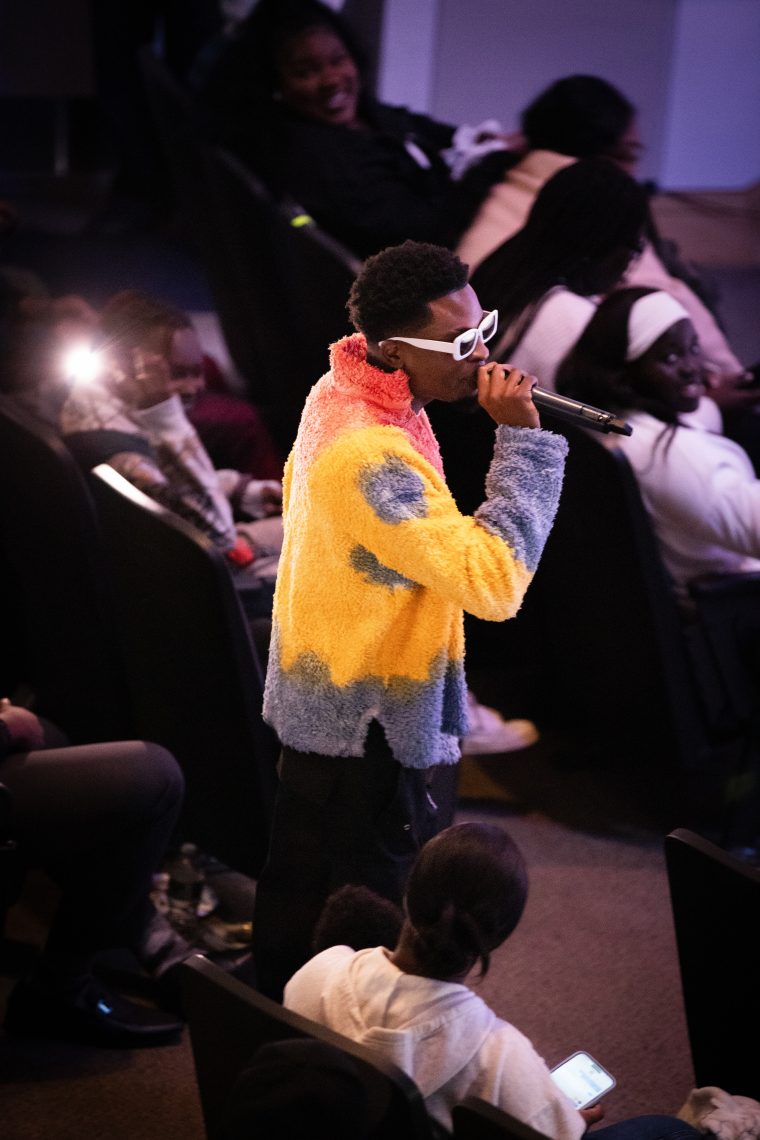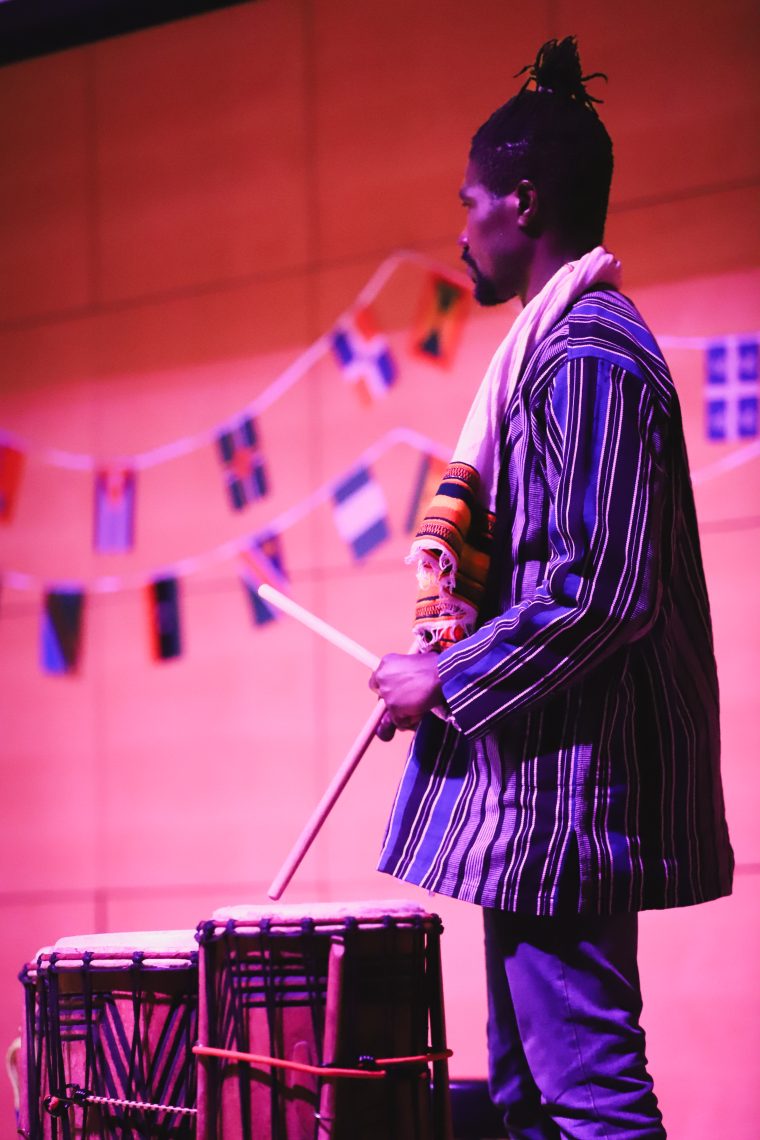

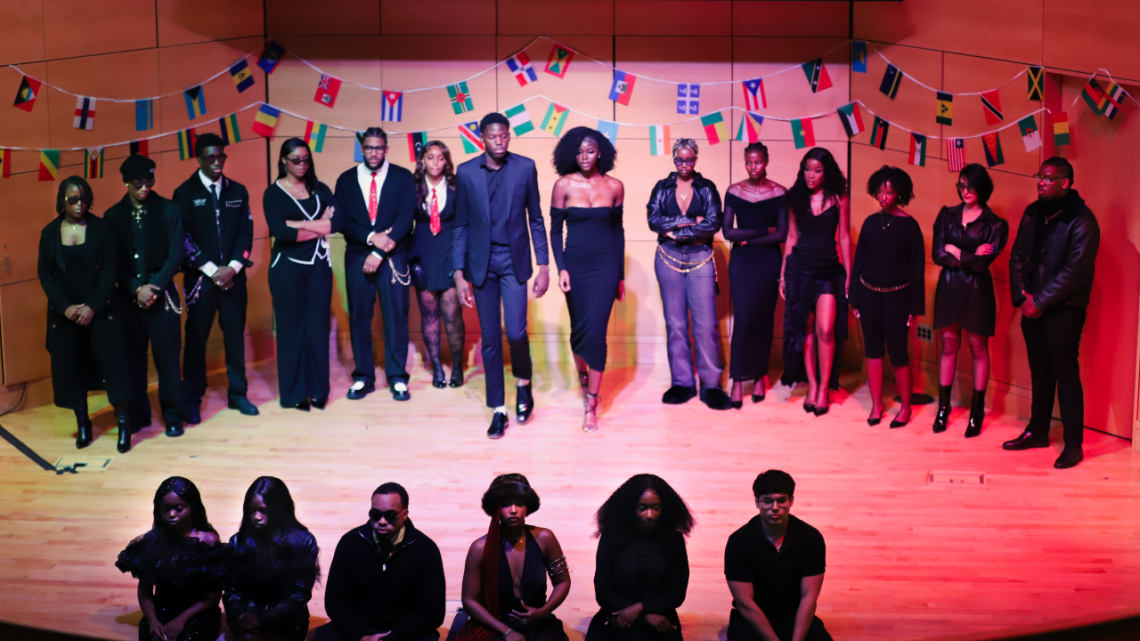
Hannaford Hall came alive Friday night as students filled the space with joy and music, gathering on the University of Southern Maine’s Portland campus to celebrate the third annual Maine’s Afrochella. Rooted in culture, fashion, and education, it combines African, Caribbean, and African American traditions to create an evening of expression and connection.
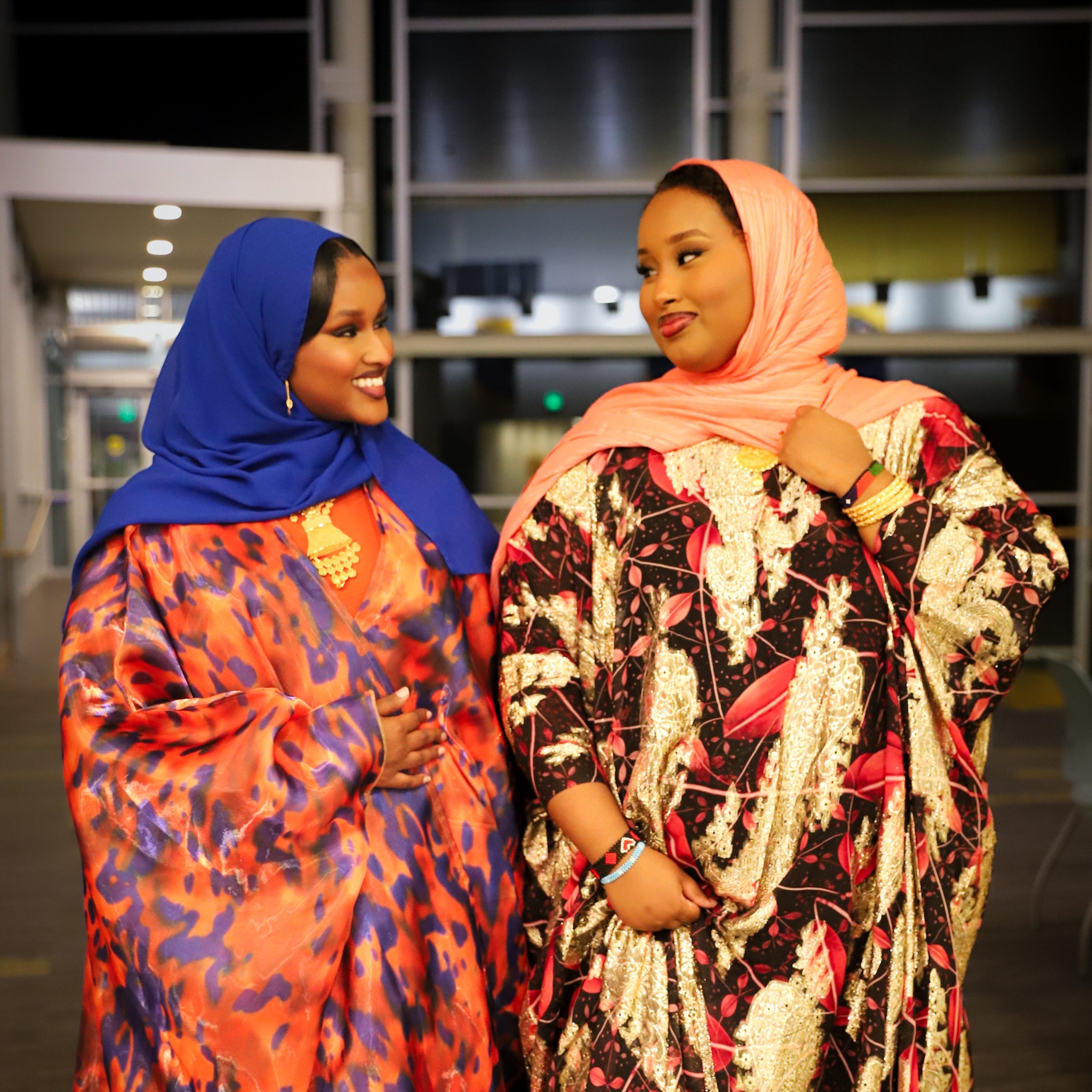
The event drew a large, energetic audience, with a strong turnout from students, faculty and members from the surrounding community. This year’s Afrochella was a vibrant celebration of cultural heritage and pride, fostering a space of belonging on campus.
Afrochella is a collaborative effort, led by USM’s Women of Color Board and supported by the Recovery Oriented Campus Center (ROCC). The board shapes the programming and creative vision, while ROCC provides the space, resources, and institutional support that bring the event to life.
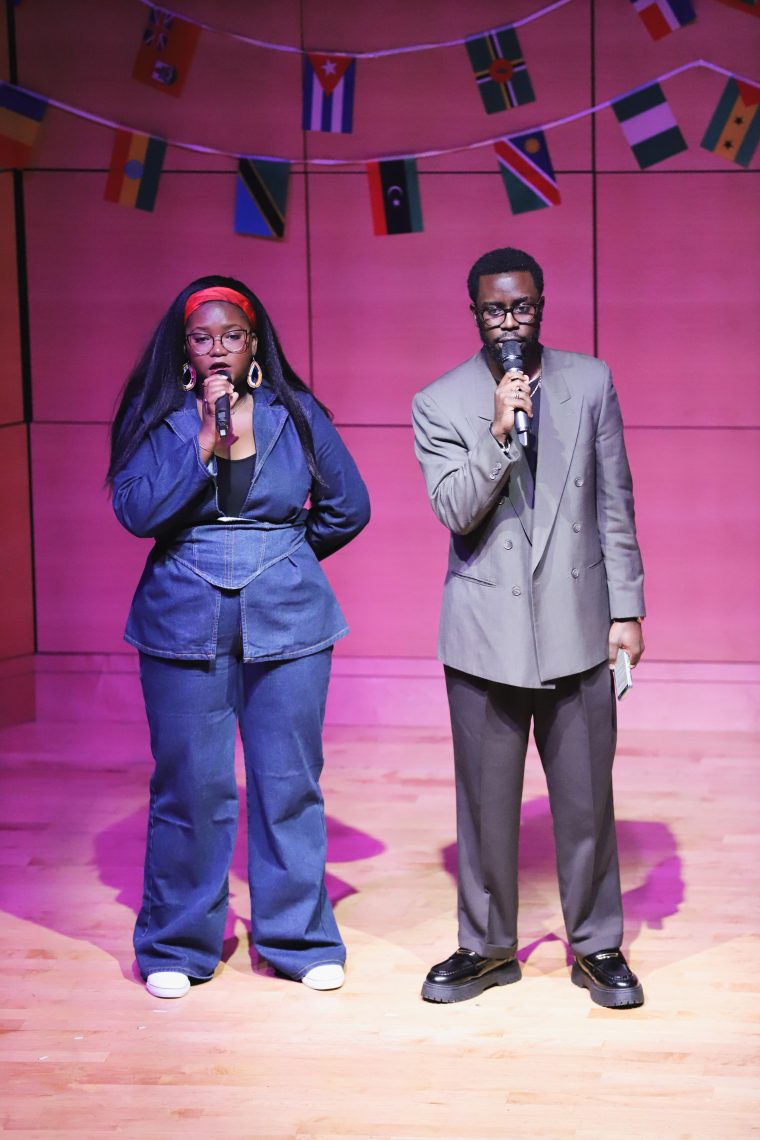
Performers Amira Hassan, a former Women of Color board member and coach for this year’s event, and Yusra Idow, a current Women of Color board member, say Afrochella is unlike any other organization or event on campus.
“What makes it different is the way people come together. It’s a bunch of different groups and it really brings everyone together for one purpose,” said Hassan. “Other groups might have specific goals, but ours is really about building community.”
For many students, Afrochella is more than a performance – it is a space for representation, visibility, and cultural affirmation. Participants honor their heritage through fashion, music, dance, and poetry, celebrating as well as reflecting on identity and tradition.
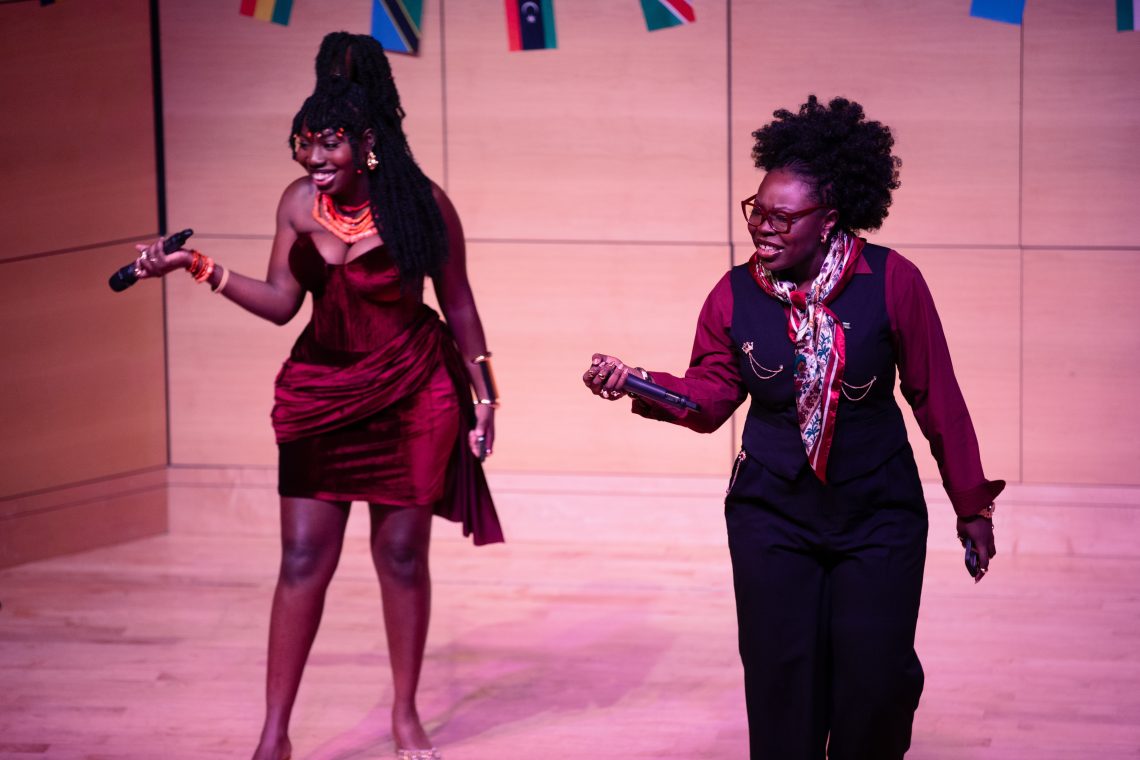
“Afrochella showcases culture and creativity, and gives us a space to show our culture in a predominantly white institution,” added Idow. “We don’t always get to dress in our cultural clothes at school, so being able to show our culture to our peers, classmates, and professors is the best part of it.”
Entirely directed by students, planning for Afrochella starts months in advance of the November showcase. Students juggle rehearsals, writing, styling, logistics and countless other details that bring the event to life. It’s this energy of collaboration and dedication that shape the final production into an award winning event on campus.
“Everybody has been preparing for this for months, so everyone’s excited. Maybe a little anxious, but very excited,” said Idow. “The vibes are amazing. We won Event of the Year last year, so I’m sure we’ll win again.”
At its core, Afrochella aims to center the experiences of students of color by showcasing the richness of the African diaspora and creating space for students, faculty, and community members to honor cultural heritage, build connection, and contribute to a more inclusive campus. In doing so, the event becomes a space for joy, pride, learning, and expression.
“We have Caribbeans, we have a lot of African students – immigrants, first-gen, everything. But the purpose is to bring everyone together,” said Hassan. “It’s like ‘one band, one sound.’ I love that, because we’re all one at the end of the day.”