

Dear Stonecoast Community,
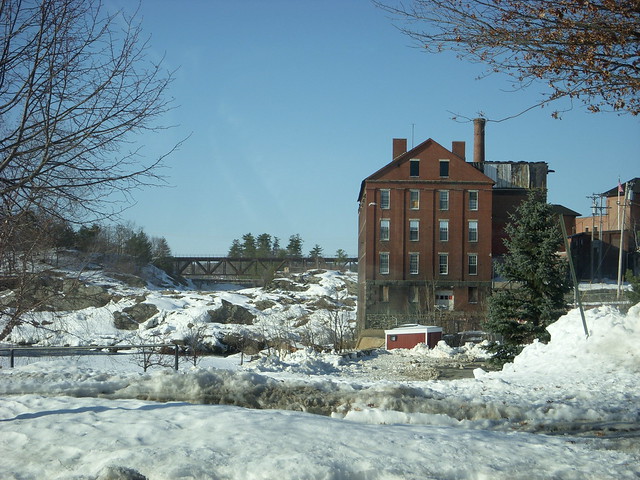
On October 25, in less than an hour, a mentally ill man killed eighteen people and wounded thirteen others in Lewiston, Maine. As is always the case, the shooting was senseless and the human cost profound. In the immediate aftermath, many Stonecoasters got in touch with our office to offer their condolences and support. We appreciated hearing from you. Communities facilitate healing, after all. We take solace in the idea that Lewiston is healing. Uvalde is healing. Parkland. Orlando. Sandy Hook.
If we grow too comfortable with this narrative of redemption, we risk engaging in, passively or actively, acts of erasure. We don’t speak of the dead to avoid stirring up old wounds and the dead are silent. But can we, as writers, speak for them? Theodore Roethke struggles with this issue in his poem “Elegy for Jane (My student, thrown by a horse).” The poem concludes, “Over this damp grave I speak the words of my love:/ I, with no rights in this matter,/ Neither father nor lover.” It’s a question that writers continue to grapple with.
Like the tragedies and injustices that drive these questions, these issues are evergreen. This is why we choose to make Ethical Storytelling the theme of the Winter Residency. As writers, we have a responsibility to engage with hard topics. In case you would like to be a part of these conversations, we’ve included a list of events that are open to the public.
In this issue of Stonecoast Tidings you’ll meet two faculty members, Raina León and John Florio, and see how they use narrative choices to approach challenging topics. Next, Stonecoast Alumna Taryn Bowe challenges each of us to be good literary citizens. Finally, we invite you to keep in touch with your Stonecoast literary community.
Write on,
The Stonecoast MFA Team
Justin Tussing, Director
Robin Talbot, Associate Director
Nikki Lewis, Administrative Specialist
Sarahlynn Lester, Special Programs Coordinator
Heather Jones, Graduate Assistant & Contributing Writer
We Aggressively Need Community: A Challenge from Alumna Taryn Bowe
by Heather Jones
“There are times in our lives when we aggressively know we need community,” says Taryn Bowe, author of Camp Emeline, an entry in 2023’s Best American Short Stories. One of those times, for writers, she says, is when we’ve been practicing our trade.
“It’s easy for writers to feel we’re alone.”
Writers, as we know, spend a lot of time talking to ourselves. After the googlings, the interviews and other info gathering, a writer at her keyboard presides over an ongoing debate in her head. I won’t go into the full argument, but it includes such critical questions as whether she should say ‘but’ right here, or ‘however,’ or whether to begin a new sentence or use a semicolon, or whether that switch to passive voice is a stylistic choice she really wants to make.
There are readers out there who speak the writer’s language who the writer can channel as an imaginary audience, but that’s just a hack for a mind in solitude. No matter how many faces she sees in that presumed audience, they are mere masks over her own face because writing, essentially, is a conversation a writer has with herself.
And yet, “Most writers want to connect,” says Taryn. “It’s why we write. It’s the same reason we read.”
It seems paradoxical, diving into an isolating activity as a way to make a connection with others. A hypothetical non-writer might ask, “Why not just go to a party or something?”
The introverts in the room know the answer to that, but there’s more to it than social anxiety. In the meeting where we discussed topics for this issue of Stonecoast Tidings, we also talked about the other topics: ethical storytelling, writing about violence, and the Lewiston shooting. I came away with a sense of a heroic function society looks to writers to perform. To be the part of society that speaks for the rest by putting into words what’s on our minds. To find the meaning in tragedy, and the significance, especially when that means saying things that are hard to hear but need to be said. To articulate our grief until it’s run its course and we can move on with our lives. To speak out against book banning and other forms of censorship.
We’re familiar with the symbiotic relationship between writers and readers, but what about the relationship between writers and other writers?
As Associate Director of Maine Writers & Publishers Alliance, an organization committed to fostering literary citizenship, Taryn will host a group discussion to explore that question at the upcoming Stonecoast Winter Residency. The topic, simply put, will be: “How do we connect when writing is so isolating?”
You can tell when the due dates have arrived for Stonecoast students for their fourth and final semester packets because the cobwebs on your phone start vibrating and unusual lines in bold text begin to appear at the top of your email inbox. This is your student writer friends coming out of their writing caves seeking connection. Taryn would say this is a natural part of the writing life.
I observe these phenomena with interest because, for me, literary citizenship is a new concept. I was often grounded to my room as punishment when I was growing up, and at some point during my teen years, I started using the time to write. And that’s been the nature and character of my writing career for forty years. I’m basically a literary hermit, so literary citizenship and the concept of good writer’s communities are ideas I’ve been warming up to.
As a new student at Stonecoast, I encountered the concept of ‘co-writing,’ and I was mystified by the idea. Picturing myself at my writing desk, I thought, How does one ‘co’-write? I’m already refereeing a multi-voiced conversation in my head. How am I supposed to bring a live person into this? Like, where does the other person sit? Do we use a shared Google Docs file?
Sometimes, yes, you use a shared Google Docs file.
The need for good writer’s communities hit home for Taryn after she lost her mother. As part of her process of grieving, she wrote a novel that she knew she wasn’t going to publish. It was a work of personal healing, and through that project, her writer’s group became a family to her. Now, she says, “I write stuff for these people that I wouldn’t have written otherwise.”
She has also worked to turn the cathartic benefits of writing outward by teaching writing workshops in places like prisons and rehab facilities, for people who have experienced loss from suicide, or folks dealing with serious medical conditions. And while through these activities she wishes to help others discover the joy of writing, she says, “I always feel like I learn more than I’ve taught.”
Taryn’s literary community has been expanding lately with the selection of her story, Camp Emeline—originally published in the Indiana Review—as one of this year’s America’s Best. In October, she had the honor of hearing her story read onstage in New York in a dramatic performance by Edie Falco of The Sopranos fame.
What I’ve gathered from putting this article together is that literary citizenship is writing, more or less, on Earth, as opposed to the transcendental space of an artist’s mind. It is writing out loud, and in concert with other writers. It is leaving the writing chamber to physically, audibly, and visually interact with the human bodies that will feel, hear and see your work. The literary community is where the writer’s imaginary audience becomes flesh, and her mind ceases its solitude, if only for a moment.
Literary citizenship is participation in the communal life of writing, supporting each other and bearing together the responsibility of being a voice for those who need to be heard. From Edie Falco to weekly co-writes, to writer’s conferences, to MFA programs, writers outreach and support groups, and more, there are many ways to envision literary citizenship and the roles and responsibilities of writers to our communities.
What else?
You are invited to come explore with Taryn how you envision the concept of literary citizenship. If you’re planning to attend her discussion at the Winter Residency, she asks that you come with two things in mind: 1) an idea of your ideal writing community, one that would best inspire your writing, and 2) a strength of yours that you could share to help inspire others.
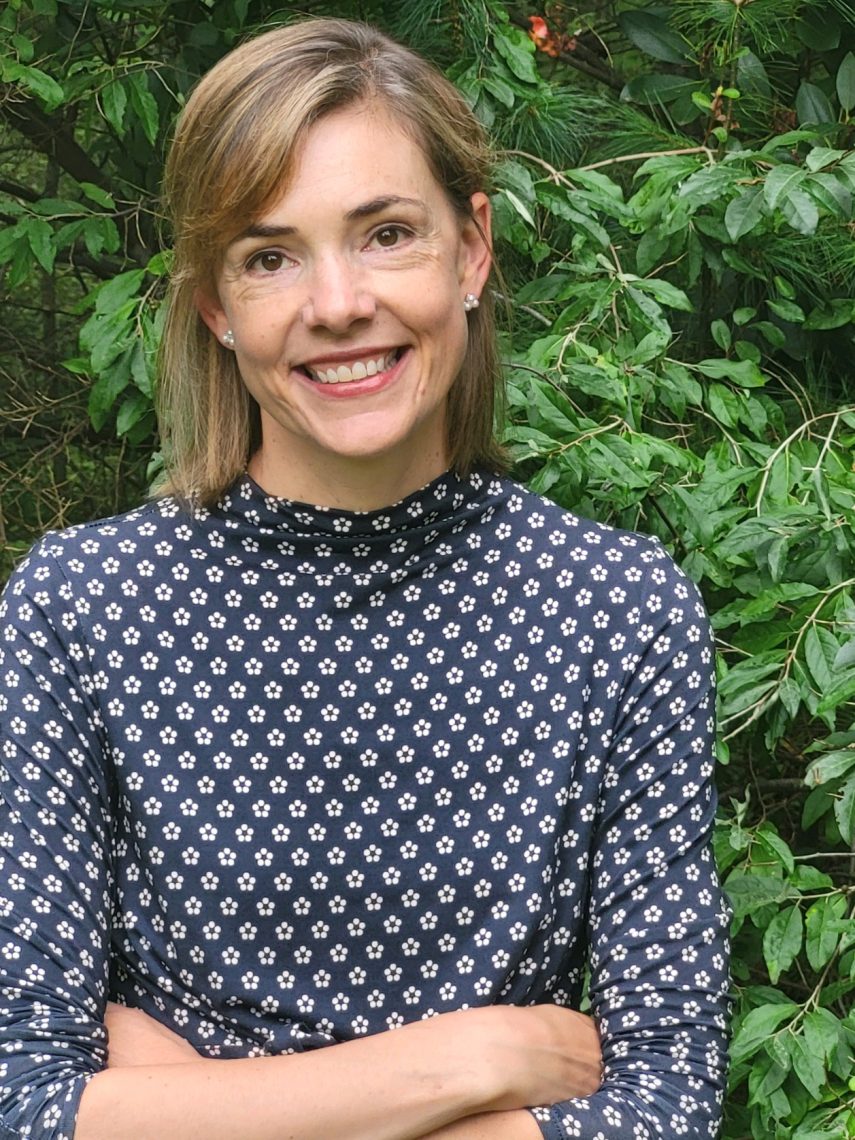
Craft Note. How Do We Write Ethically About Violence? John Florio Answers.
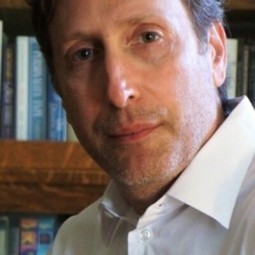
As an author of historical crime novels, I find myself writing about violence quite often. In an effort to stay true to history and genre, I’ve written passages that include strong-arming tactics, bullying, and extortion. The Jersey Leo novels (Sugar Pop Moon and Blind Moon Alley) include race-related hate crimes and a heavy dose of gunfire.
So, how do I write scenes that illustrate actions I stand so firmly against?
It’s not easy. I suppose the short answer is that I aim to show the damage of violence, both physical and emotional, and avoid glorifying it in any way. But this writing presents another ethical challenge: How do we assign these antagonists redeeming qualities? After all, no human being is one-dimensional. Personally, I aim to show them as human—wrong, flawed, misguided, but human.
Breathing Ancestors: Raina León’s Transgressive Exploration of Complex Identities
by Sarahlynn Lester
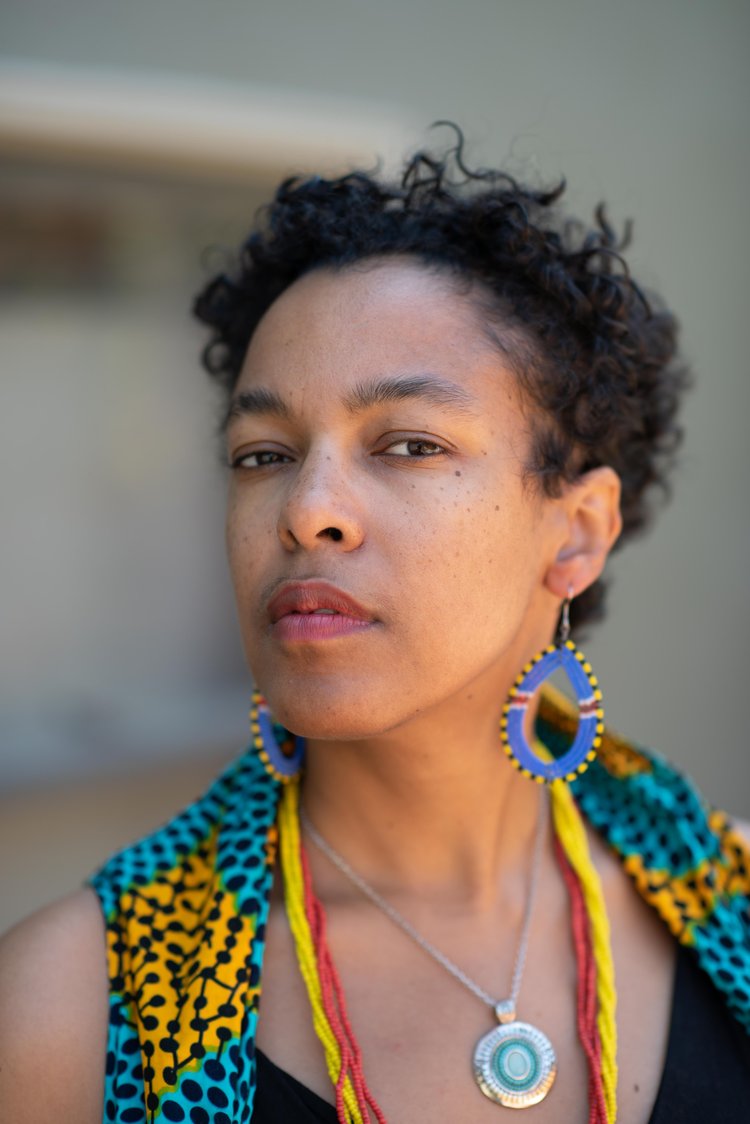
Dr. Raina J. León defies categorization. She’s currently writing a werewolf romance novel, a speculative novel-in-verse, and a mixed-genre book on Black feminism, mothering, and academia. She’s Black, Afro-Boricua, and multilingual; a mother, daughter, sister, madrina, comadre, partner, poet, writer, and teacher educator. She believes in collective action and community work, the profound power of holding space for the telling of our stories, and the liberatory practice of humanizing education. She brings all of this and more to her creative work. She’s busy, and she’s fun.
León is one of the newest faculty members at Stonecoast, where she works with students on poetry, narrative nonfiction, and speculative fiction—or wherever students’ interests take them.
If you sit down for lunch with León during a Stonecoast residency, you might find yourself in a conversation about zombie ants, bilingual parenting (she has two children under age five), or how to preserve African American community histories. The latter is a topic she explores in her latest project—a weekly podcast she co-hosts with her mother, Dr. Norma D. Thomas, called Generational Archives.
The Generational Archives podcast covers topics from family profiles to meaningful Memorial Day observations to a traveling regional Black history museum. The mother-daughter duo examines the Black history of Fayette County (southwestern Pennsylvania, Appalachia, where they have family roots) with the hope that listeners will learn both about Black Fayette County and also skills for discovering their own family and community histories.
One of the topics León and Thomas return to throughout the podcast is ancestors: both their ancestors who came before them, and themselves as “breathing ancestors” in this moment for future generations. The Thomas family maintains an historic cemetery that’s incorporated as a 501(c)(3) nonprofit with funds to care for the cemetery in the future … and hopefully to care for the family’s descendents, too.
“How do you care for the graves of family members who have transitioned? How do you care for their memories with your people? Whether they are your children or others within the family, it is important to do that work for them and hope they will similarly care for you,” León said in the April 12th episode of the podcast. “I love the idea that the ancestors are giving to the future through a scholarship.” The Thomas Cemetery Foundation strives to maintain the cemetery for future generations of Thomases as well as providing an academic scholarship to a member of their community.
León’s great hope for the podcast is that, in listening to the stories of one family recovering their ancestors and sharing the stories and photos (some over 100 years old) with others, listeners will be guided into developing deeper relationships with their communities, whether through familial ties or intentional commitment. Understanding the past can strengthen our present and lead us into clarity on the world to come, a world we have a hand in shaping. She hopes, too, that listeners will ask themselves, “What kind of ancestor do I want to be?” and make choices in the present for the future based on their own answers.
The Generational Archives Podcast focuses on historical research and preservation. León’s other work often focuses on the future and using the lessons from the past to build the future we want to see. She uses many different lenses to engage with narratives of the past and imaginings of the future.
León’s undergraduate work at Pennsylvania State University Park culminated in a major and not one, but four minors. She holds two different Masters degrees in addition to an MFA and a PhD. She’s curious, passionate, energetic, and she cares very deeply about the world around her—both its problems and its beauties. León has accomplished much in her academic and literary careers–her CV is extensive–and offers enthusiasm, welcoming energy, and groundedness to all around her. Remember that werewolf romance novel? Again, she’s fun!
Of course, that project is more than a happily ever after. The novel focuses on the power of sisterhood and matriarchies in defiance of patriarchal powers while also including werewolf mythologies, revolution and rebellion, and an anticolonial power redistribution in favor of collective thriving. No big deal.
It’s also a change of direction from León’s published work, which includes the poetry collections black god mother this body, Boogeyman Dawn, sombra: (dis)locate, and Canticle of Idols, as well as the chapbooks Profeta Without Refuge and Areyto to Atabey: Essays on the Mother(ing) Self. Which is to say it isn’t fully a departure. León’s work continues, as bell hooks teaches us in her writing, to “center the communities at the margins as that is where thriving and possibility are seeded and bloom.”
León acknowledges that the choice to use all lowercase in black god mother this body is a nod to bell hooks (among others) and says, “The whole book is in lowercase. I was interested in subverting the control of rules. You don’t need it. If you don’t need it, why is it there? So many stylistic rules are holdovers from academia, which spills over into how you’re supposed to act (Black, woman) bow down and act appropriately—I wanted to reimagine something different.”
adrienne maree brown, author of Emergent Strategy, wrote of León’s September 2022 book, “With black god mother this body, León offers us poetics that feel like collective memoir, for all of us in the lineage of ‘people murdered slow.’ The slivers and snippets of memory and confession range a lifetime of being daughter and granddaughter, niece, mother, wife, scholar. This collection is a delicious, intimate and transgressive exploration of complex identity; having read it, I feel fresh and whole.”
Collective memoir for communities at the margins.
Book reviewer Paula Farmer (SilentWaterProductions) asked León if poetry is a form of activism, and how poets can use their work as activism. “A poem is a unit of breath,” León replied. “The syllable is meant to be vocalized, a breath, a vehicle of the human experience. In this time where we’re thinking about AI, robots, machines, we can’t lose the body, the cost of mechanization. The poem brings breath back into the word, reminds us of our humanity, our connections, and can galvanize us into collective action. Love is activism too. The poem that celebrates fleshy desire is activism too.”
Much of León’s work is tied to bodies, communities, and human experience. But another thread through much of her work is technology. León is a certified Apple teacher with experience in educational technology, digital literacy, and digital visual arts. Her interests span the gap from the archived past over the troubled present to the desired future.
León has found Stonecoast a welcome home for herself and her widely varied work.
“One of the great joys of being faculty at Stonecoast over the past year is being surrounded by so many interdisciplinary thinkers with openness to embrace all avenues of expression. At Stonecoast, we’re pushing back against boundaries on genre and topic and interweaving concerns and engagement with the work of justice and equity in connection with race and gender and ability and the uniqueness of us all–as well as the world, environmentalism. The Stonecoast literary community is enlivening! Everybody brings this aliveness to every step. I appreciate the vulnerability of being able to have the hard conversations around belonging and not belonging with the goal of understanding each other the best we can.”
You can follow Raina on Instagram here.
Photo credit: Matteo Monchiero

2023 Faculty Publications
- Tobias S. Buckell: A Stranger in the Citadel
- Susan Conley: “What the Girl Wished for: Wisdom and Wildness Like a Beach”
- David Anthony Durham: The Longest Night in Egypt and “The Wolf and the Butterfly”
- John Florio and Ouisie Shapiro: Doomed: Sacco, Vanzetti, and the End of the American Dream (and stay tuned for a February NBC show about flag football!)
- Aaron Hamburger – Hotel Cuba, “Trying to Solve a Family Mystery through Fiction,” and “Queering the Fiddler on the Roof Coming-to-America Story”
- Elizabeth Hand: A Haunting on the Hill
- Alexander Jennings: “Them Doghead Boys” and “Chapter and Verse”
- Robert Levy: No One Dies from Love: Dark Tales of Loss and Longing
- Debra Marquart: Gratitude with Dogs Under Stars
- Elizabeth Searle: I’ll Show You Mine (a feature film), “The Ones Who are Gone,” and Stolen Girl Song (a one-act play)
A Note from the editors of Stonecoast Review
by Mary White
STONECOAST REVIEW CELEBRATES TENTH ANNIVERSARY
January 7, 2024–The Winter 2024 issue of the Stonecoast Review marks the tenth anniversary of its inception and establishes itself firmly among student-led literary magazines. Since its founding by Stonecoast MFA student, Alexandria Delcourt, the editorial masthead of the Review has been repopulated every six months with a new set of volunteer students who produced annual Winter and Summer issues without pause.
“Literary journals are facing difficulties, but the dedication and commitment of the Stonecoast students to publish the Stonecoast Review bi-annually is an example of great literary citizenship,” says Robin Talbot, Associate Director of the Stonecoast MFA in Creative Writing.
Current student Lea Smith, reflecting on the rewarding experience, says, “Volunteer editing for the review gave me the chance to work in a field that I am very interested in for post grad work. I am thrilled to have this opportunity on my resume.”
The upcoming issue of the Review is faithful to its goal of discovering and encouraging new, diverse voices. For example, Carla Sarett’s poem, “Self-Portrait as Aging Tortoise,” describes a condition she never envisioned but which has its advantages. The young character in Sarah Jackson’s “Coherence” struggles with their gender identity but is comforted by their uncle’s model of fluidity for physical substances and time. And the narrator in Nuala O’Connor’s “Smoke Out of the Jar” finally understands her neurodivergent mind after decades of mystifying herself and others with its workings.
“Participating in reading for the Stonecoast Review brought to me new perspectives and insights on how we are humans who tell stories and share experiences. I learned so much and am looking forward to being involved throughout my MFA program,” says second semester student Nychelle Schneider.
The Stonecoast Review’s editors and readers hope the entire USM community will enjoy all the literary discoveries in the issue, which will be available at www.kellysbookstogo.com.
| Mary White Editor in Chief Ron Bel Bruno Creative Nonfiction Editor Julie Guerra Asst. Creative Nonfiction Editor Jillian Rodseth Dramatic Works Editor Adam Rodriquez-Dunn Asst. Dramatic Works Editor | Fran Cronin Asst. Editor in Chief Leah Scott-Kirby Fiction Editor Lea Smith Asst. Fiction Editor Angela Williamson-Emmert Poetry Editor Ben Boegehold Asst. Poetry Editor | Matt Saccaro Online/Website Editor Stephen Gousie Popular Fiction Editor Amelia Kearns Asst. Popular Fiction Editor Melissa Alipalo Alumna Advisor Caite McNeil Alumna Advisor |
First readers: Nina Barufaldi St. Germain, Kathleen Blue-Pugh, Robert Brad, Cail Casserly, Sam Chapman, Tom Cruz-Spurling, Kristin Davis, Mia Dyson, Anthony Gutierrez, Heather Jones, Grace Kendall, Jessica Kormos, Cassandra Mangano-Correa, Halli Marshall, Maria Millefoglie, Summit Osur, Vanessa Pacheco, Jonathan Pessant, Brenda Radchik, Judy Sandler, Nychelle Schneider, Leslie Siddeley, Kevin St. Jarre, Eben Thomas, Ruth Towne, Meaghan Wildes, Annie Wenstrup
Please join us for the Stonecoast MFA 2024 Winter Residency
Faculty and Guest Readings and Graduation Events
January, 5th
Faculty and Guest Readings (7:00 p.m.)
Faculty members will share 8-10 minutes of their work.
Rick Bass, Susan Conley, and Elizabeth Searle
Casco Bay Ballroom
Welcome Reception for Students, Alumni, and Faculty (Following the reading)
Light refreshments and cash bar
Casco Bay Ballroom
January, 7th
The Stonecoast Review: A Tribute to Literary Excellence (3:15 p.m. – 4:15 p.m.)
Literary editors, readers, and supporters invite students and faculty for an afternoon reading and discussion.
Fran Cronin and Mary White (Hosts)
Casco Bay Ballroom
Faculty and Guest Readings (7:00 p.m.)
Faculty members will share 8-10 minutes of their work.
Melanie Brooks (Guest), Alex Jennings, and Baron Wormser (Guest)
Casco Bay Ballroom
January, 8th
Faculty and Guest Readings (7:00 p.m.)
Faculty members will share 8-10 minutes of their work.
Tobias Buckell, Tom Coash, and Raina León
Casco Bay Ballroom
January, 10th
Faculty and Guest Readings (7:00 p.m.)
Faculty members will share 8-10 minutes of their work.
JJ Amaworo Wilson, Chen Chen, John Florio, and Cara Hoffman
Casco Bay Ballroom
January, 11th
Faculty and Guest Readings (7:00 p.m.)
Faculty members will share 8-10 minutes of their work.
Robert Levy, Aaron Hamburger, and Cate Marvin
Casco Bay Ballroom
January, 12th
Writing for Inclusivity and Social Equity (WISE), The Task Before Us: Ethical Storytelling (7:00 p.m.)
We will examine the intricate balance between creative expression and our ethical responsibility as writers, educators, and editors to our readers and communities. Stonecoast faculty and invited guests will address questions about authenticity, representation, and the ethical considerations involved in telling and writing stories.
Chen Chen, David Anthony Durham (Moderator), Linda Nelson (Guest), Monica Prince (Guest)
Casco Bay Ballroom
January, 13th
GRADUATION CEREMONY (7:00 p.m.)
Stonecoast students, faculty, alums, friends and family are invited to the celebration!
Commencement Speaker — Deb Marquart
Freeport High School Performing Arts Center
30 Holbrook St., Freeport, Maine
Graduation Reception (8:15 p.m.)
Stonecoast students, faculty, alums, recent graduates, friends and family will celebrate with light refreshments and a cash bar.
Casco Bay Ballroom
Stonecoast Announcement!
We are thrilled to announce that Stonecoast is now accepting presentation submissions for the Summer 2024 residency. If you are interested in teaching a 60-minute presentation from 8:15 am to 9:15 am, please provide a detailed description of your class or panel to Robin Talbot (robin.talbot@maine.edu) no later than Monday, February 26, 2024. Your presentation or panel description should be between 150-175 words and include a “Suggested Reading” section. Alums who are not local will teach via Zoom. Alums will be paid a modest stipend.
Below is a list of all presentations, panels, and topics proposed in the past. The list below is only a suggested list. We welcome any topics that alums are passionate about teaching and sharing with MFA students.
- Craft, Editing
- Scriptwriting
- World Poetry
- Author Profiles
- Pedagogy
- Interviewing and Profiling
- Writing monologues/performative writing
- Lyric Essay
- Sensory details
- Worldbuilding
- Antiracism Workshops
- Eco-poetics at the core social justice
- Hybrid forms/deconstructs genre/write out of your genre
- Line-editing and copy-editing/crash course
- Reading the Other/Writing the Other
- Historical fiction/CNF/Pop/Poetry
- Revision
- Collaborations
- Space opera
- Writing about trauma. How do you interview someone who has experienced trauma (e.g. first responders, people on the front lines of civil rights, gay rights movements.)
We look forward to hearing from you soon!
We’d love to stay connected with you! Find us here:
- Facebook: https://www.facebook.com/stonecoastmfa/
- Discord communities:
- Stone House Readers’ Series and Podcast with Troy A. Myers: https://www.facebook.com/groups/stonehousereaders
- Stay tuned for future meet-ups in Maine hosted by David Grubb.
- More information to come soon on alumni critique groups, alumni programming, and alumni opportunities to lead USM student writing classes via Zoom.
Have news to share?
For social media, contact Sarahlynn Lester: sarahlynn.lester@maine.edu
To be included in the monthly Stonecoast Community Blog, contact alum Robert Stutts: robertstonecoast@gmail.com
Thanks for reading!
Invite someone to receive our quarterly newsletter or email pitches for our quarterly newsletter to sarahlynn.lester@maine.edu.