

History and Geography-Anthropology (GIS) Polymath Pathway
- Bachelor of Art (BA)
- Polymath Pathway
Modes of study:
Bridging History and Geospatial Analysis for data-driven, human-centered careers
The History and Geography-Anthropology (GIS) Polymath Pathway at the University of Southern Maine (USM) combines the applied geographic information systems (GIS) and geospatial analysis specialization with deep historical insights. This interdisciplinary path merges geography’s technical tools like drones, GIS, and spatial analysis, with history’s focus on public engagement and interpretation. You’ll learn to read the past, analyze the present, and navigate the future – building technical and humanistic skills that translate across careers.
You’ll analyze landscapes across time, interpret historical changes through spatial data, and feel confident communicating complex ideas to diverse audiences. This pairing prepares you to stand out to employers with both technical geospatial expertise and the analytical, interpretive skills valued in today’s data-driven, human-focused professions.
Academic catalog
USM’s engaging curriculum ensures you’ll receive both an integrative and cumulative polymath education incorporating history and geography-anthropology (GIS).
Browse course list
Program duration
Typically completed in 4 years. Work with your USM academic advisor to create a tailored, streamlined academic plan.
Admissions
SAT and ACT scores are optional. Students that are interested in a Polymath Pathway are encouraged to begin this program in their first year.
Everything has a history, a backstory that makes it make sense in context. The critical study of History illuminates both the context of the big picture and humanity in the details, revealing the patterns of the past that guide our decisions in the present and point to the future we want to build – for ourselves, our careers, and our world.
Dr. Lillian Sparks, Chair of the History Department
What advantages will you have from combining History and Geography-Anthropology (GIS)?
Combining History and Geography-Anthropology (GIS) through USM’s Polymath Program gives you a unique interdisciplinary perspective. You’ll develop both technical geospatial skills and historical insight, preparing you to analyze real-world problems and communicate findings that matter. Understanding the past, present, and future will ensure you’re a well-rounded student and graduate who is well-prepared for the working world.
Why study History?
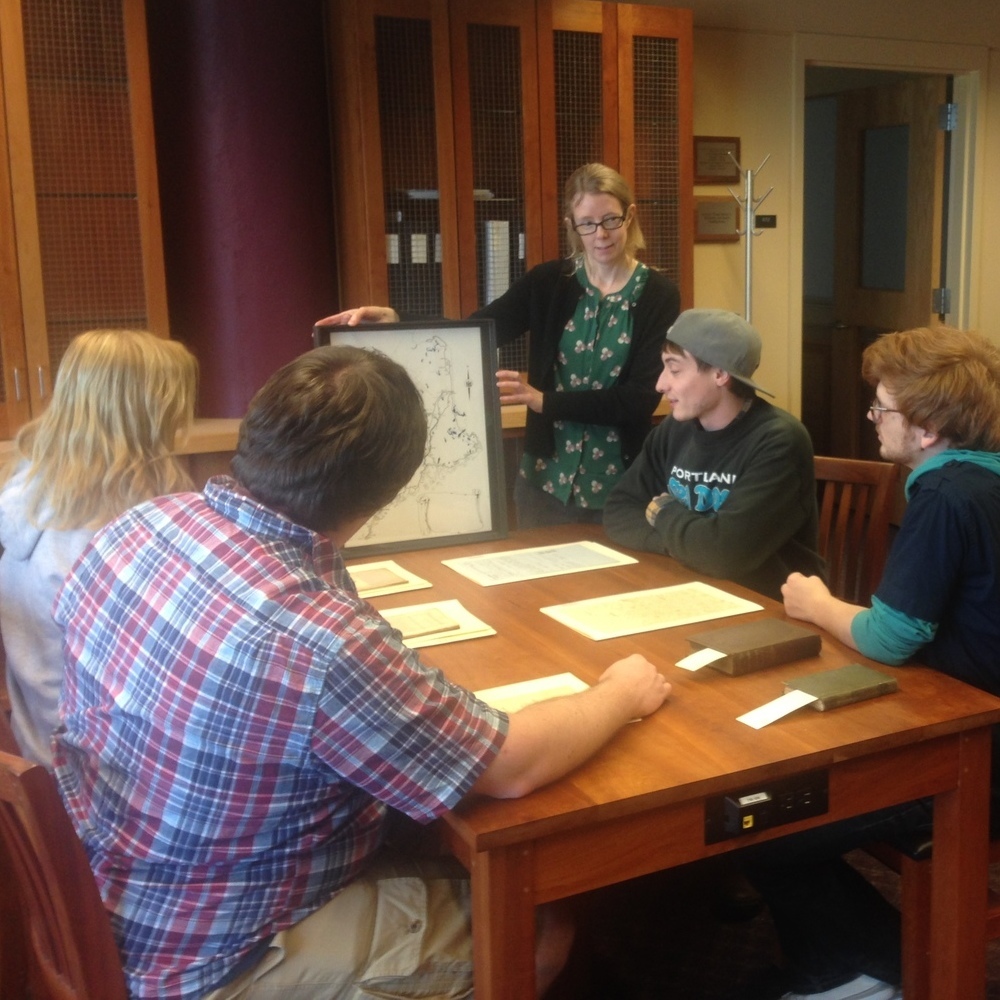
As a History student at USM, you’ll apply historical knowledge to current, contemporary social issues. You’ll analyze historical documents to create meaningful explanations and narratives to support a well-rounded understanding of past activities and how they impact yesterday, today, and the future.
You’ll benefit from partnerships with leading cultural institutions such as the Maine Humanities Council, the Maine State Museum, and the Maine Historical Society, gaining applied learning experiences that deepen your engagement with public history and community-based scholarship. USM also offers field-based courses to major historical sites, from Civil Rights Movement landmarks to Civil War battlefields across the American South, giving you the opportunity to study history directly in the landscapes where it unfolded.
Why study Geography-Anthropology (GIS track)?
As a Geography-Anthropology student at USM, you’ll explore the intersection of human cultures and the landscapes they inhabit, applying technical and analytical skills to real-world problems.
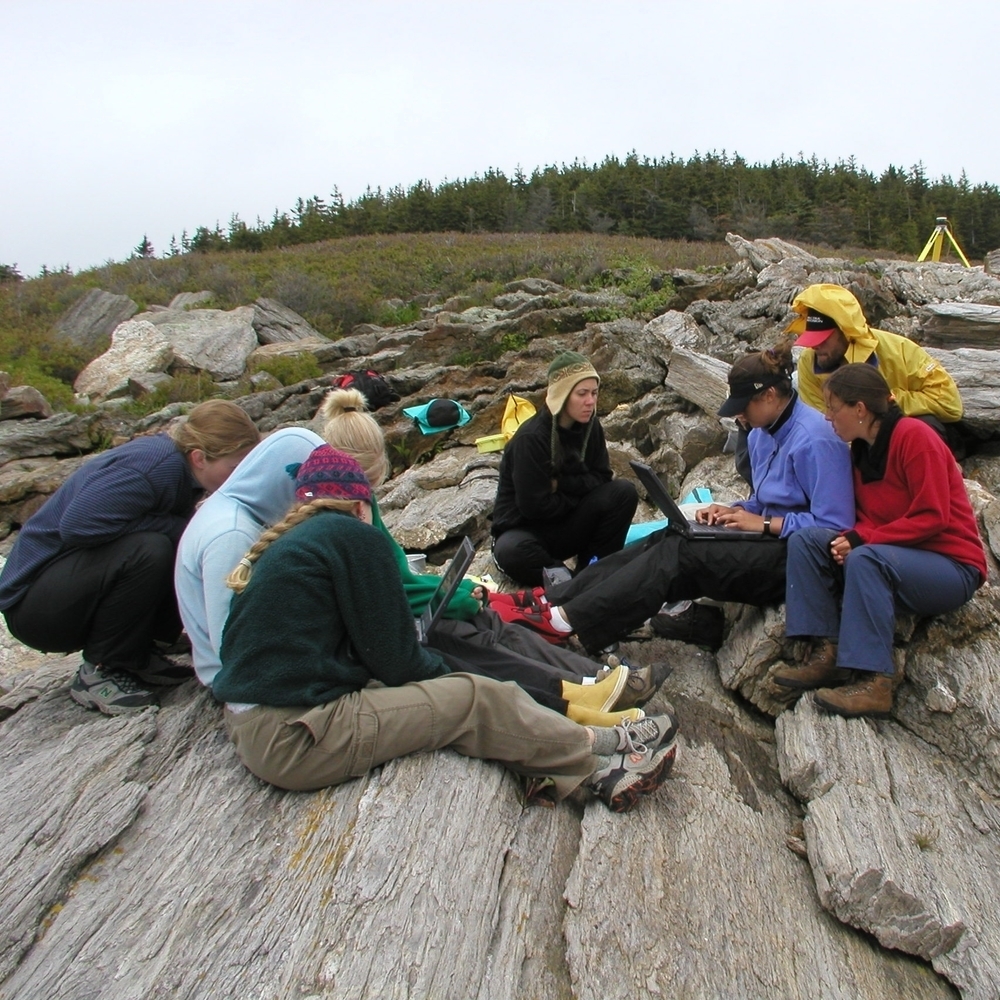
Field experiences, lab research, and collaborative projects provide hands-on opportunities to analyze landscapes, interpret spatial data, and understand human-environment interactions, while developing geospatial expertise in tools like GIS and remote sensing.
You will have access to our GIS Labs in Portland and Gorham and develop applied GIS skills.
Learn more about the benefits of the History and Geography-Anthropology (GIS) Polymath Pathway
Geospatial skills bring data about places and people together for understanding and action.
Dr. Vinton Valentine, Director of USM GIS
Where can your History and Geography-Anthropology (GIS) Polymath Pathway take your career aspirations?
Why is this Polymath Pathway good for your career?
Studies have shown* that dual majors can mean more stability in finding a job after graduation.
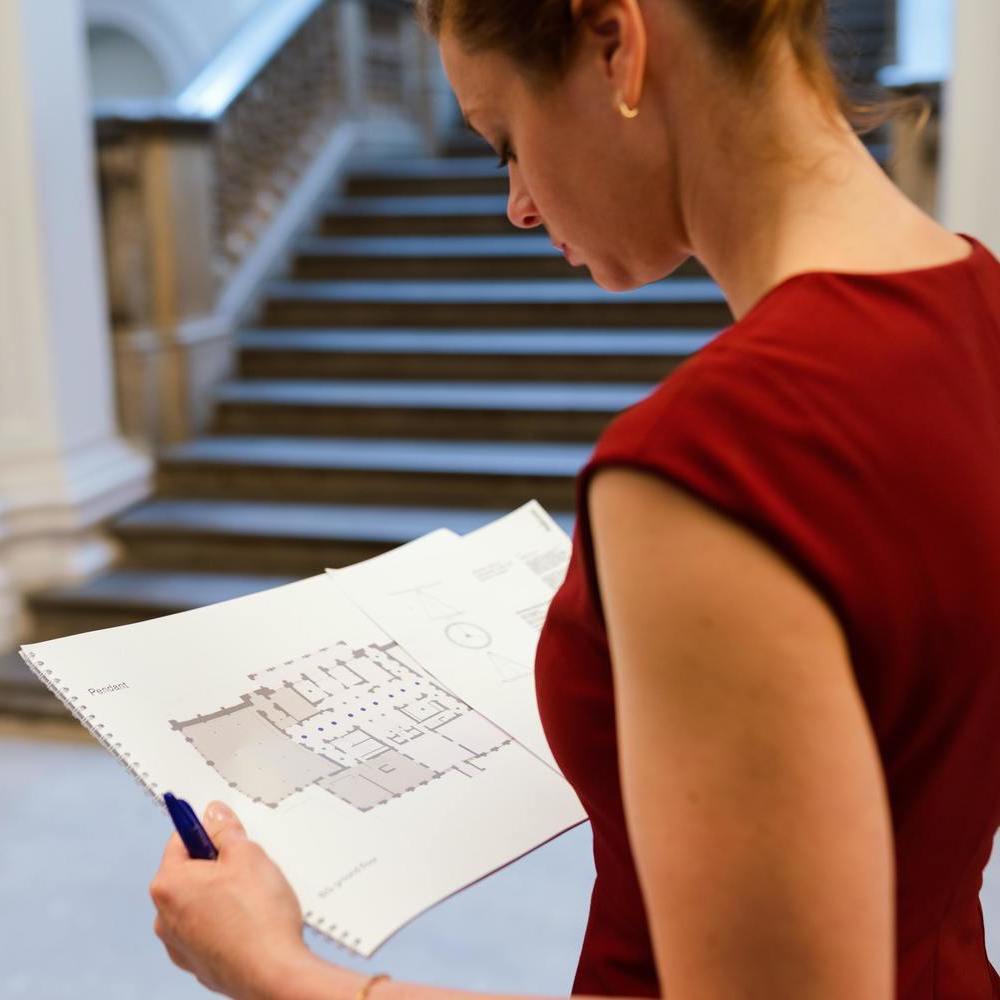
The History and Geography-Anthropology (GIS) Polymath Pathway, prepares you for roles that require critical thinking, policy, and problem solving – and is a good fit for careers in pre-law, political policy, cultural heritage, research, public service.
*National Bureau of Economic Research (NBER), 2024
We’re here to help answer questions about costs

Scholarship opportunities are available
Scholarships are an excellent form of financial aid because you do not need to pay them back. Students in this Polymath Pathway are automatically considered for Merit Scholarships if you apply for admission before the deadline.
Next steps
Our undergraduate admissions counselors are here to answer your questions about the admissions process, our academic programs, and student support services.
Request information
Complete this form to get more information about our University.