
A native of South Paris, Maine, Emma Adler ‘24 graduated from the University of Southern Maine in just three years, with degrees in Anthropology and Geography: Sustainable Cultures and Communities (Muskie School) and Political Science. Right now, she’s in Reykjavik on a prestigious Fulbright scholarship, pursuing her master’s in International Affairs at the University of Iceland.
Q:
What motivated you to apply for the Fulbright, and how did you choose your focus area?
A:
I first heard about Fulbright from my career advisor, Matthew Bampton, after returning from being abroad in Norway. Since I graduated after my third year of college, I had the “what am I going to do with my life” panic a little earlier than most. I knew I’d probably go to graduate school, but graduate school in the United States is expensive — so focusing on programs abroad was an easy decision.
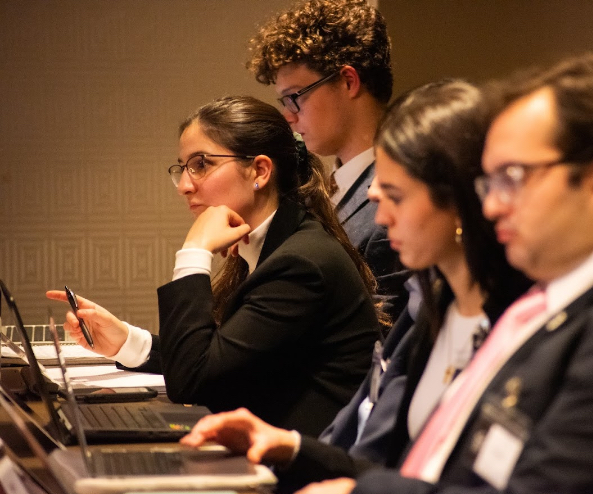
The spark that changed everything was professors Gibbons and Ruback’s Issues before the United Nations class during my second year. We traveled to Philadelphia for the University of Pennsylvania Model UN Conference, which gave me a sense of confidence and surety I had never felt before. I became so passionate about it that in my third year, I put nearly all my time and energy into founding a USM Model UN team.
My research proposal wasn’t one “aha” moment but a combination of experiences: my love for the Arctic, my passion for international relations, and the increasing tensions in this region. After taking Professor Gibbons’ nuclear politics class, I picked up Annie Jacobsen’s Nuclear War: A Scenario. The book terrified me, as it should anyone. But it also got me thinking: What can we do to realistically make our current situation even a touch safer?
Iceland is a small island in the middle of the North Atlantic in a resource-rich region warming faster than the rest of the world. They’re a NATO member with no standing military of their own. As Russia continues its invasion of Ukraine, as Europe re-arms itself, and as the United States becomes a less predictable military ally — what will this region, characterized by peace and stability, do? In a time of such heightened tension, is there a way to back off the edge?
Of course, when I submitted my proposal back in October 2024, I had not expected just how important these questions would become.
Q:
Iceland looks like an amazing place to live! What are you most excited for in regards to calling it home these next two years?
A:
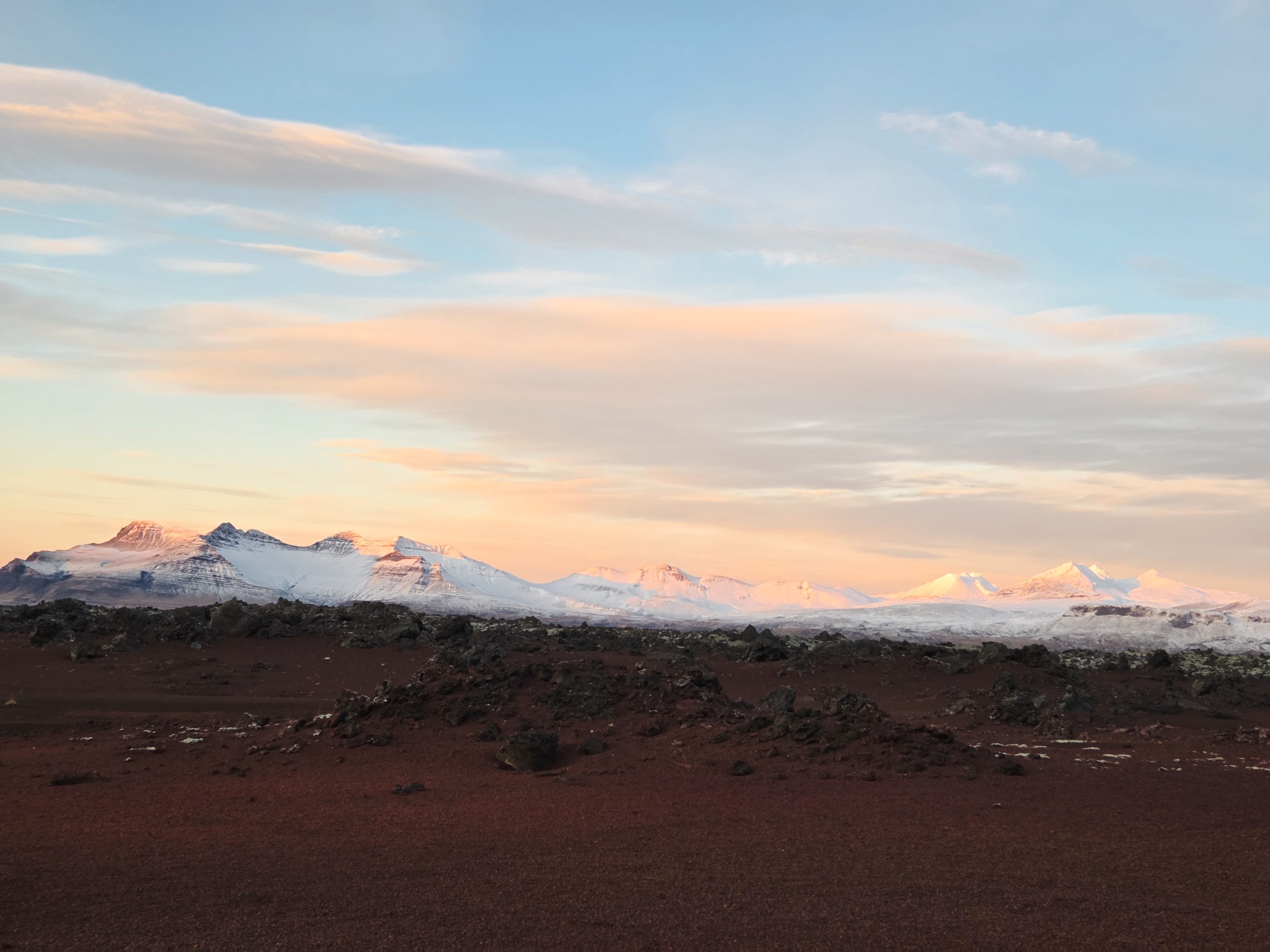
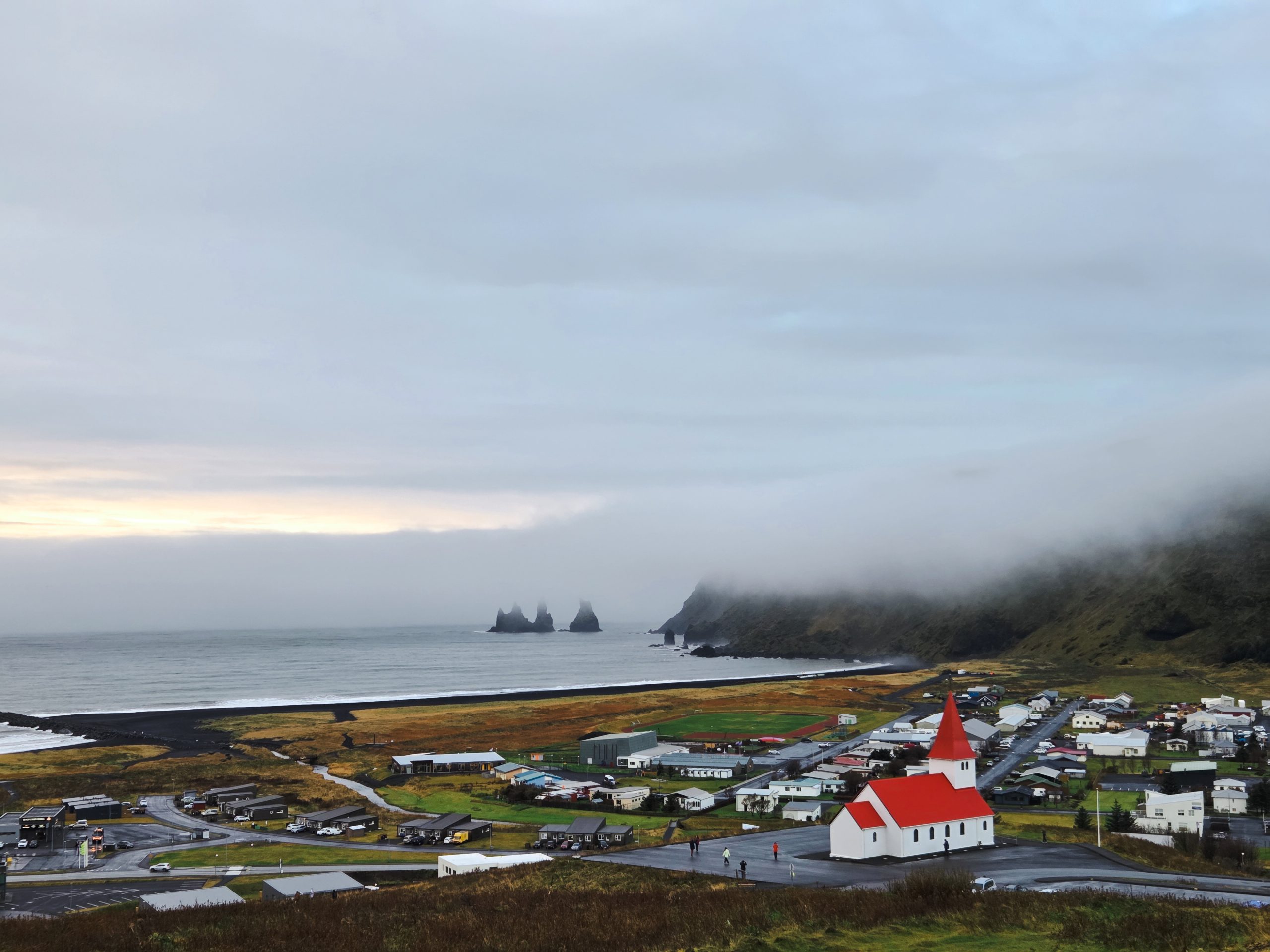
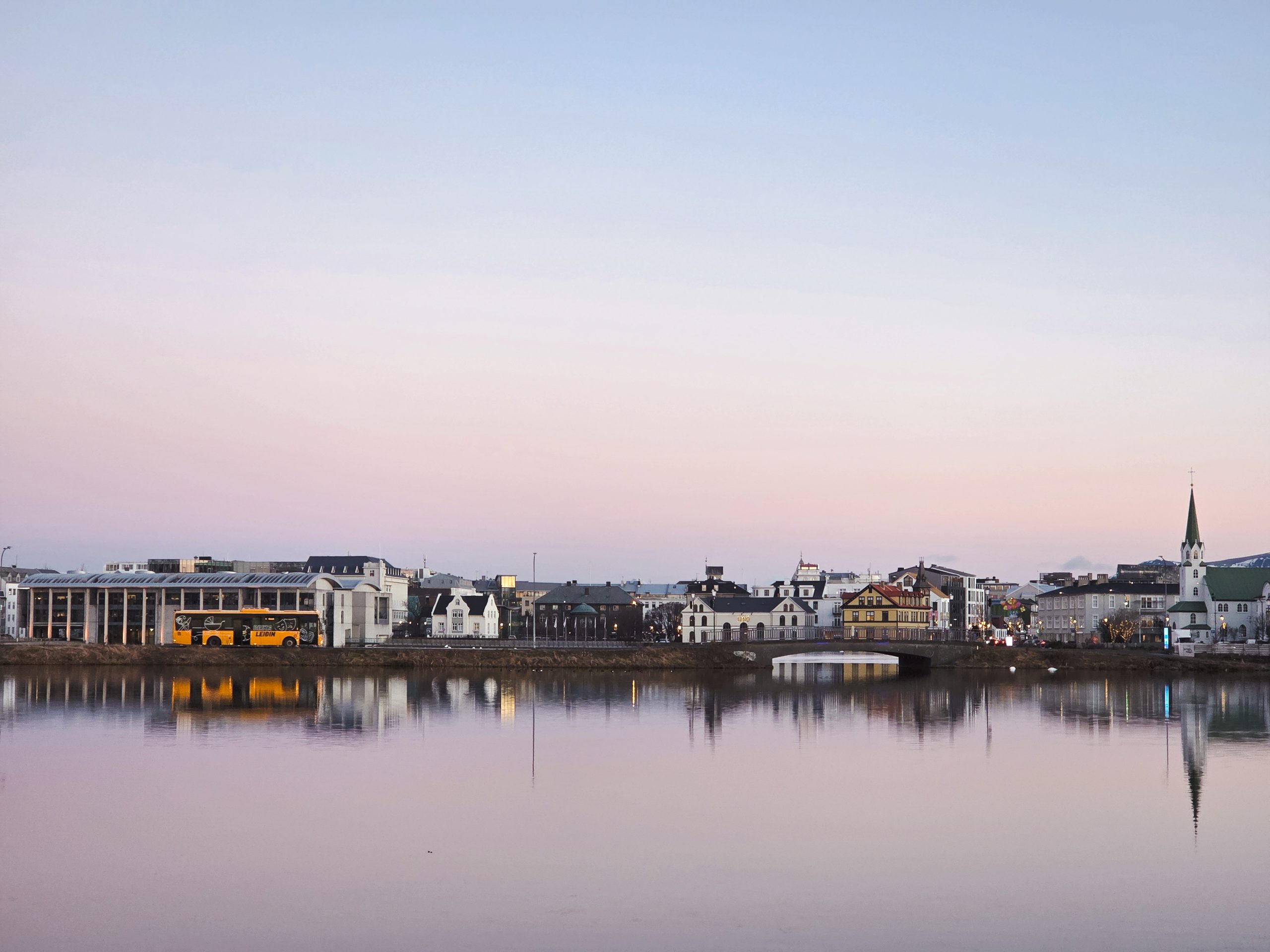
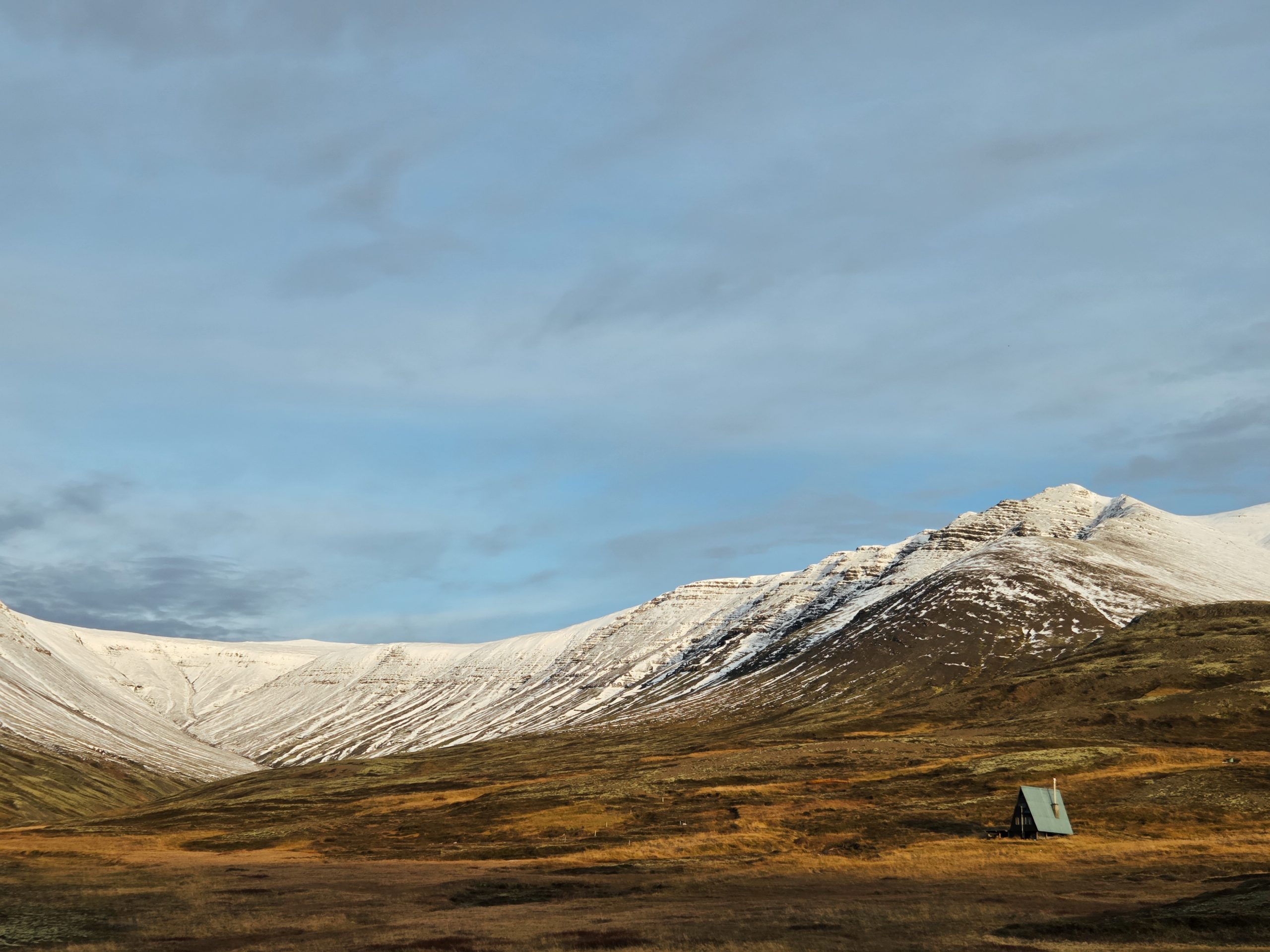
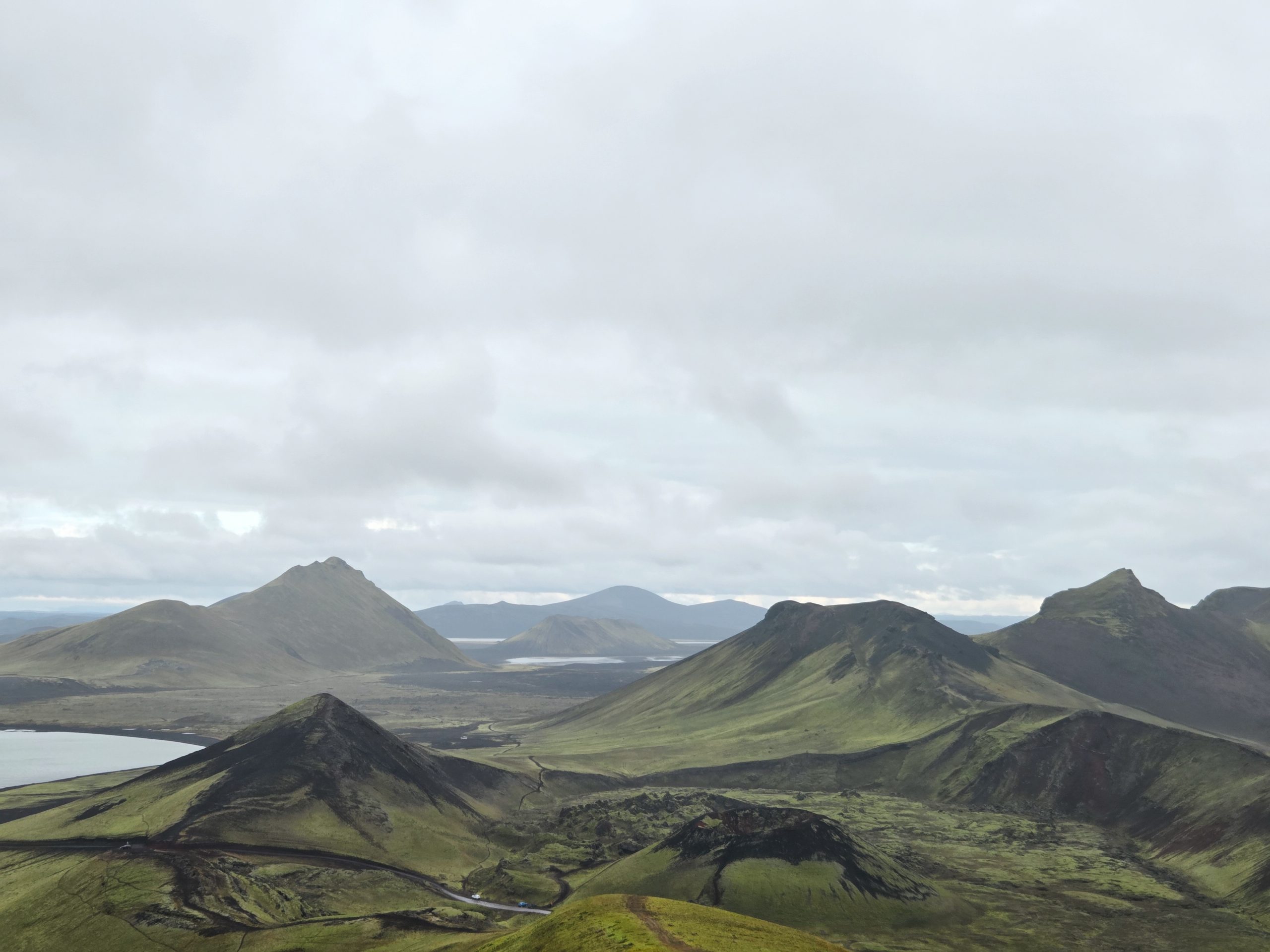
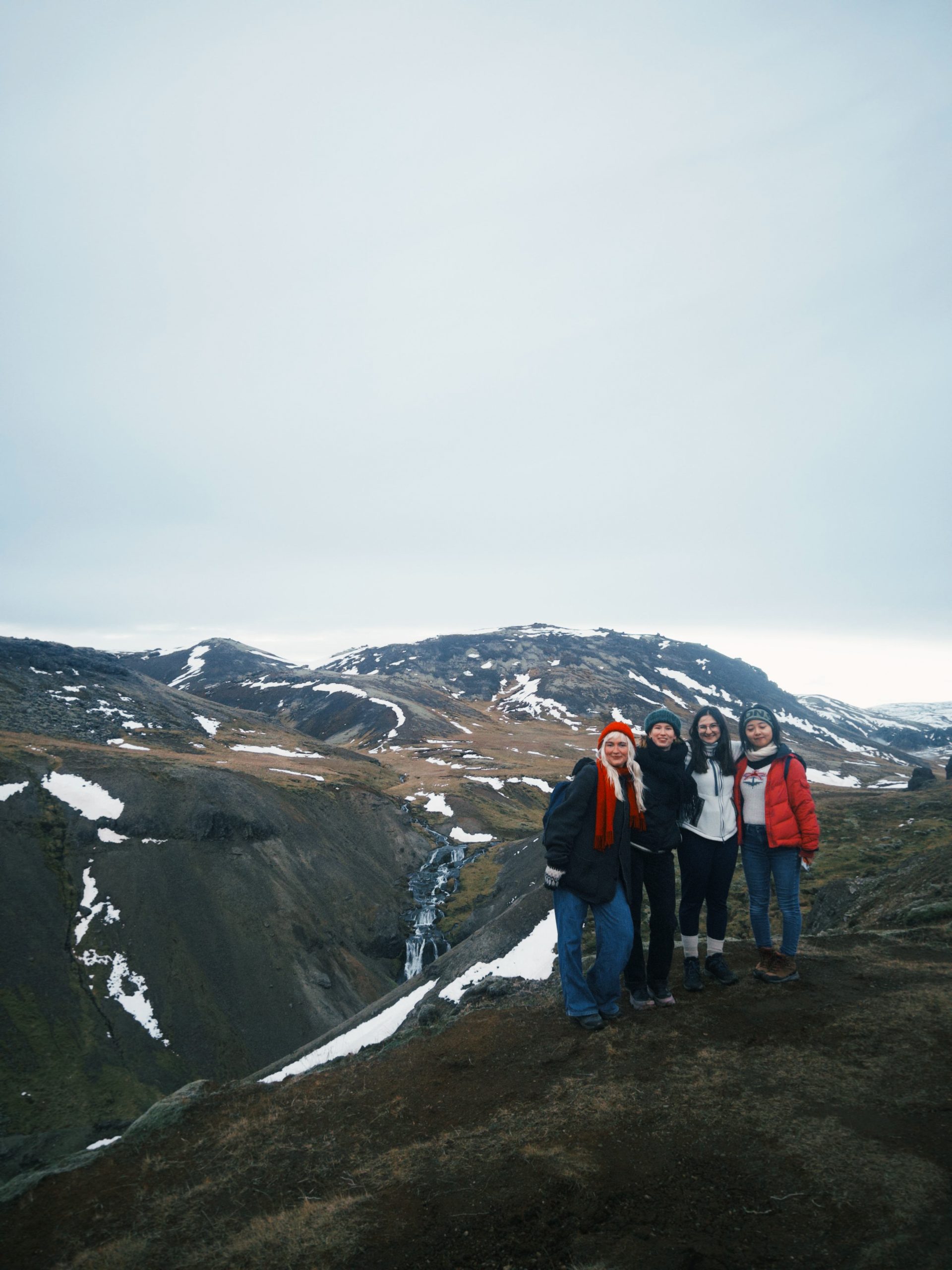
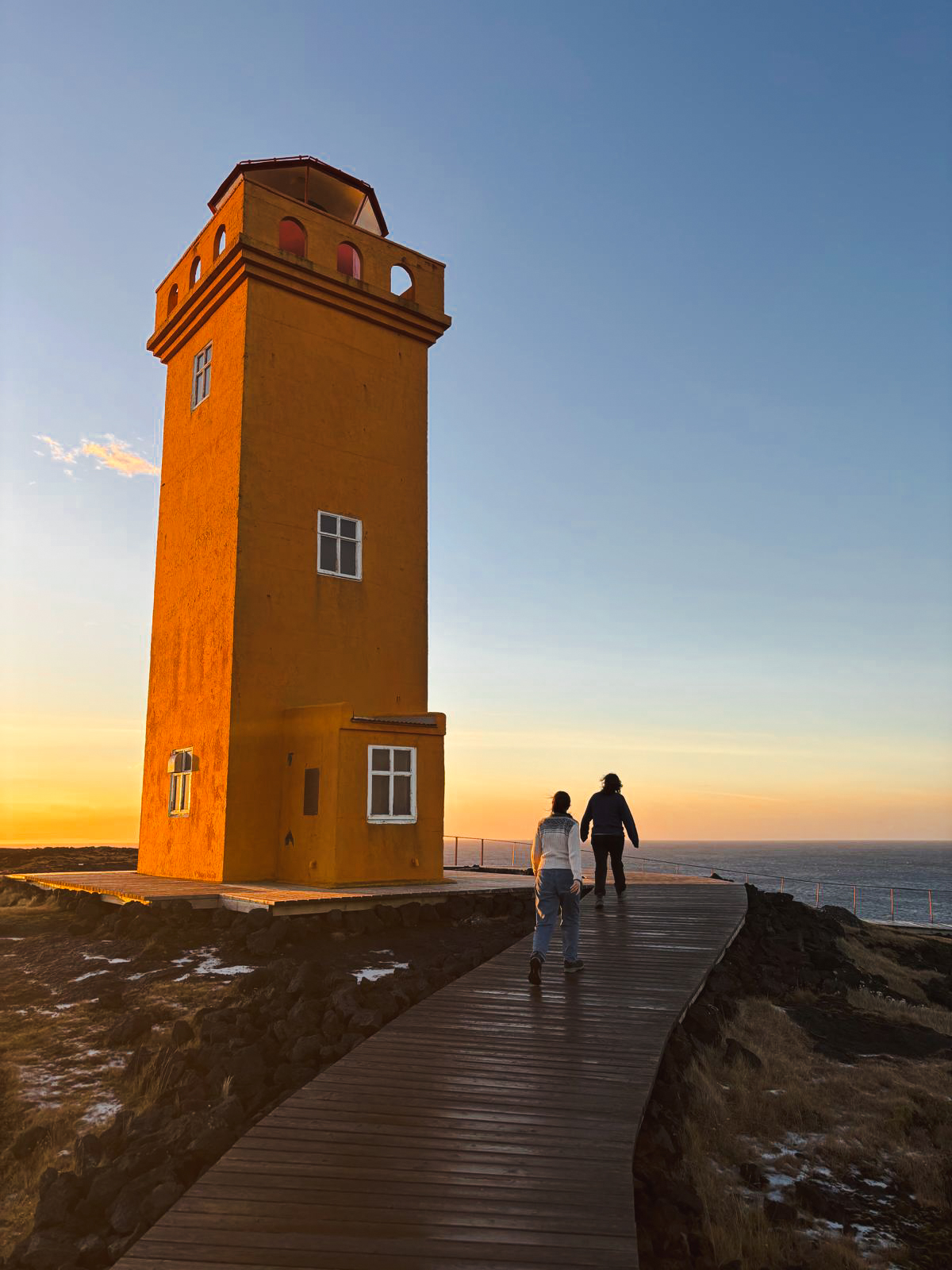
Iceland is incredibly beautiful! I was really looking forward to hiking around the country, and I’ve already explored near the recent volcanic eruptions on the Reykjanes peninsula. I hope to visit as many corners of the country as I can and really soak it all in while I’m here. I’d also love to do some glacier exploration before they barely exist anymore, and eventually I hope to do the Ring Road — it feels like a must-do experience.
Now that it’s winter, I’m enjoying snowy, cozy days studying with a hot cup of coffee, and, of course, the Northern Lights!
I’m also excited to be part of a truly international community and meet people from many different countries and backgrounds. Living internationally is the best way to participate in cultural exchange, and every time I’ve done it, I’ve learned things I never expected at the start. Iceland also has a very small Jewish population, which I’m used to coming from rural Maine, but I’m now exploring what being Jewish means in another country, especially one as remote as Iceland.
I do consider myself a bit of a foodie, so I’m definitely trying some local foods too — though fermented shark might be too far…


Q:
You studied abroad not just once, but twice and with two different focuses. Tell us a bit about your time in Norway and then Italy, and what were your biggest takeaways from studying abroad?
A:
I was terrified to move abroad. A couple weeks before I left for Norway, I had a dream that all there was to eat was cabbage and fish. I was scared to leave my family and my long-term boyfriend. Obviously, I pushed past my fears.
In Norway, I learned that I am capable, that I can do it. I think that’s an important lesson for any young person, but especially for young women. Norway is incredibly beautiful and I got to immerse myself in the natural world by hiking and skiing. I made lifelong friends from various countries, many from Italy, which is why I ended up there later. There’s a lot you learn just from living abroad; like communicating with people who don’t speak English as a first language, being culturally aware, and interpreting grocery labels with no knowledge of the language.
I also felt safe for the first time. The stress and anxiety we live with in the United States didn’t exist there, and one day I realized I wasn’t always looking over my shoulder. It’s in Norway that I truly came to appreciate the Arctic’s fragility, both in climate and politics. I arrived in Tromsø not long after a researcher was arrested for being a Russian spy, and I witnessed parts of a NATO exercise in the Lofoten Islands. My best friend said I came back a different person. If I hadn’t gone to Norway, I don’t know if I’d have the confidence to be in Iceland now.
When I was in Norway, I had a lot of time to reflect on my life and career. At 20, that meant questioning everything. In the span of a month, I thought I’d become an astrophysicist, architect, and archaeologist – which is how I ended up in Italy. I went to test archaeology as a career path, which aligned with my Anthropology and Geography major.
After many tears saying goodbye to Norway, I took six trains to a small town in central Italy called Castiglione del Lago. I spent eight hours per day, five days per week digging in a trench on the slope of a hill. As it got hotter, we had to be at the dig site at six in the morning. On weekends, I explored Italy, visiting friends or traveling with my class. It was an amazing experience, but I ultimately decided archaeology would not be my career path.
I loved my time abroad. It taught me a lot about myself and the world. My relationship didn’t last, but it was all for the better. I grew so much as a person in those eight months. I tell almost everyone they should study abroad. It may be cliche, but do it even if you’re scared.
Q:
How do you hope your studies in Reykjavik will shape your future career, and where would you like to see your career trajectory go?
A:
I can’t exactly predict how my studies will change my life, though I know they will. What I’m hoping is that pursuing my master’s in Iceland – an Arctic nation with an incredible history – will allow me to jump into a career focused specifically on international security in the Arctic after graduation. I’ll learn a lot while I’m here, both through my academic work and through living abroad for an extended period of time. I’m excited to broaden my network and learn from the unique connections I make here.
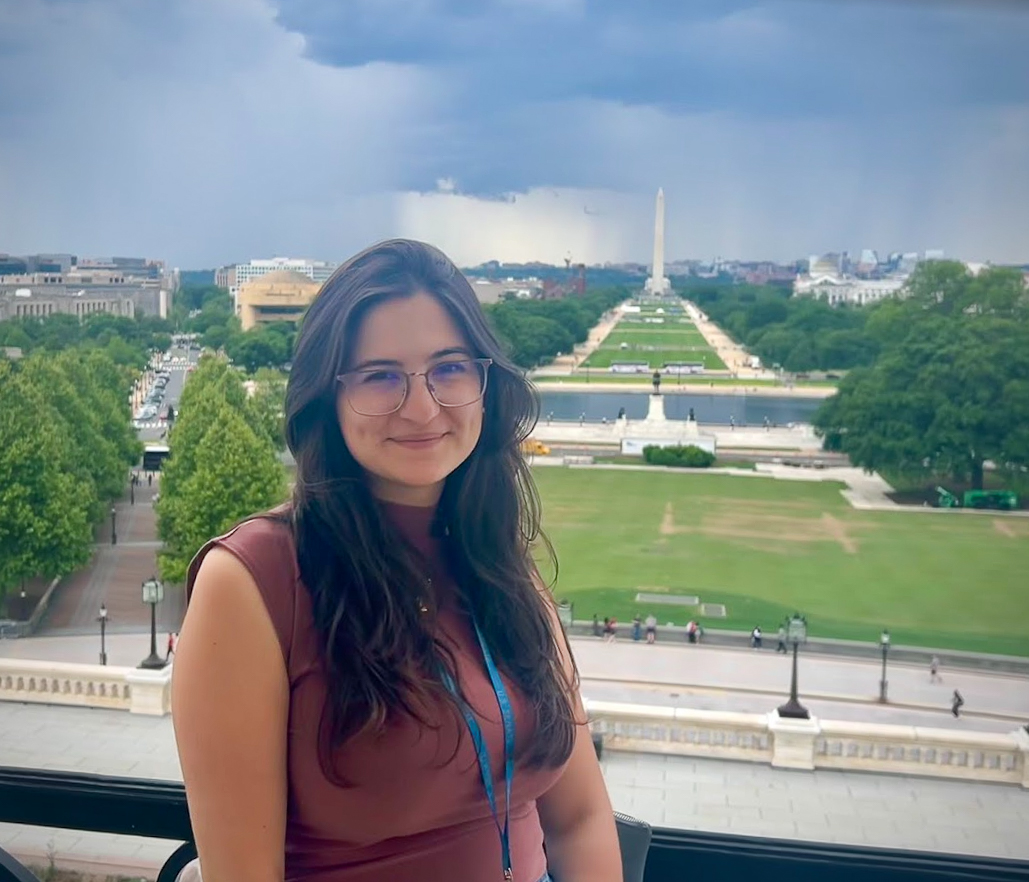
My current hope is that after graduate school, I’ll move back to Washington DC and pursue a career on Capitol Hill – starting as a legislative correspondent in foreign affairs and eventually working toward becoming a legislative aide. I’m also interested in working for the Senate or House Foreign Affairs Committee, the Armed Services Committee, or applying for the fellowship program at the National Nuclear Security Administration, which I recently learned about through my internship at the Maine International Trade Center.
DC is the center of international security policy-making worldwide, but it’s also a tough job market to break into. Most of these jobs have highly competitive selection processes, and while I may be qualified, so is everybody else. Sometimes it’s simply a matter of luck or who you know. The current political climate adds another layer of complexity. So there’s no guarantee my path leads back to DC, though as of right now, it’s still my hope.
I’m also very open to pursuing opportunities in non-governmental organizations or think tanks focused on security and the Arctic. In two years, whether I return to DC, find a job with an international organization in Iceland, or end up somewhere else entirely, I hope to continue working in this field I’m passionate about – whether that’s on Capitol Hill, doing research for a think tank, or something I haven’t even thought of yet. I think that flexibility is important, especially early in your career.
Q:
What advice would you give to future USM students interested in pursuing international studies or public service?
A:
I’ve been on both the applying side and the hiring side, so here’s what I’ve learned:
Apply, apply, apply: Even if you think you’re not qualified, even if it seems competitive, even if you’ve been rejected before, just apply. I applied for the Angus King internship three times before getting it. Apply to many positions, see what works out, and follow your intuition.
Network: Request coffee chats and attend events. If you’re into international relations, the World Affairs Council of Maine has great events and free student memberships. The Maine International Trade Center has a great internship program with an active alumni network.
Triple-check your materials:People send resumes to “Senator Pingree” or “Governor King”, do not do this. Make sure your LinkedIn looks decent because people will check it. Go to the Career Hub to have your resume and cover letter reviewed. The Google Docs templates are bad. And when they ask about a mistake you’ve made in an interview, do not say “I lied to my supervisor and I wouldn’t do that again.”
Present yourself professionally: Dress professionally even if other people wear jeans and t-shirts – as an intern, you’re proving yourself. Show up early. Never wear sweatpants or sweatshirts to an office.
Be strategic: Have a good reason for applying to a specific position or office. If you’re interested in working for a member of Congress, put in your time at a campaign first. Campaigns are hard, but everyone knows they’re hard, and that experience will boost your resume. You can also make wonderful connections with permanent staff who move to the campaign side.
Be open-minded: There are many ways to get involved in government, politics, and international affairs. It’s okay if your first few jobs aren’t directly connected to what you think you want long term. You learn as you go – you don’t need to be an expert off the bat.
Bonus: What song have you had on repeat lately?

Lady Lady
Olivia Dean