
The Blue Humanities Forum is a University of Maine System–wide initiative that brings together scholars, artists, scientists, and community partners to explore the cultural, environmental, and historical dimensions of oceanic life. The Forum builds on earlier collaborative work that brought together the arts, humanities, and environmental research to explore oceanic worlds in new ways. An important precursor was the University of Southern Maine’s Digital Humanities project, “Culture, Commerce, and the Environment: Iceland, Maine, and the North Atlantic,” supported by a Maine Economic Improvement Fund (MEIF) grant. A subsequent collaboration with the University of Maine’s UMaine MARINE expanded this work across institutions, leading to the development of a System-wide initiative—the Blue Humanities Forum.
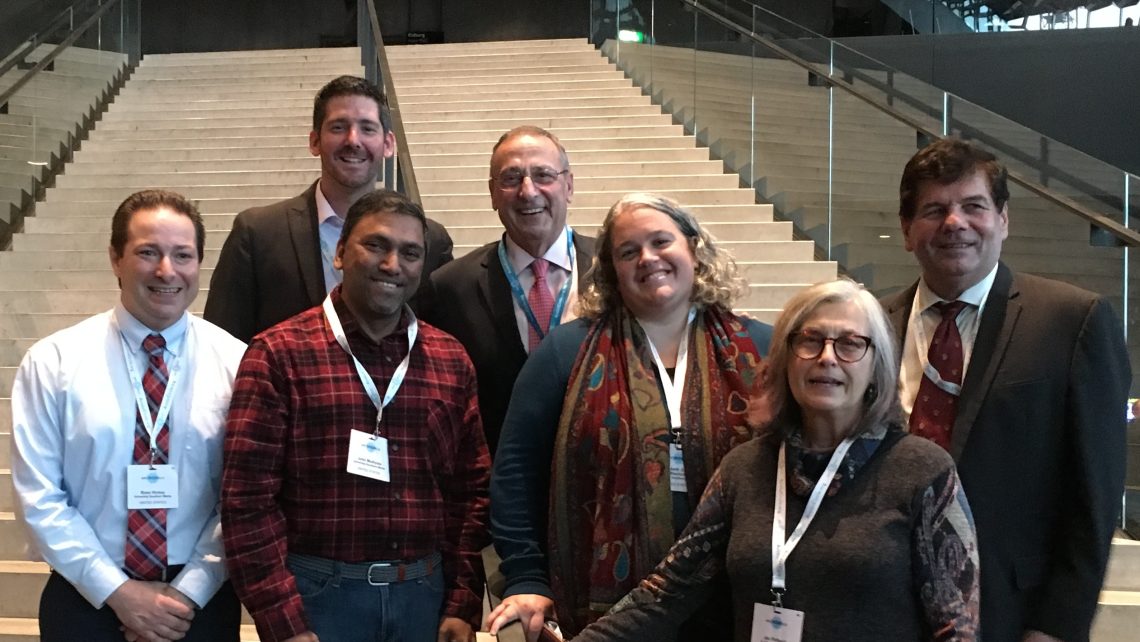
Connecting Maine to the wider North Atlantic and Arctic, the Forum combines digital innovation, public scholarship, and interdisciplinary research to examine climate change, maritime histories, and cultural exchange. In 2018, Professors Jan Piribeck, Elizabeth Bischof, and John Muthyala led USM’s first panel at the Arctic Conference in Reykjavik, Iceland.
Jan Piribeck, Emerita Professor of Art
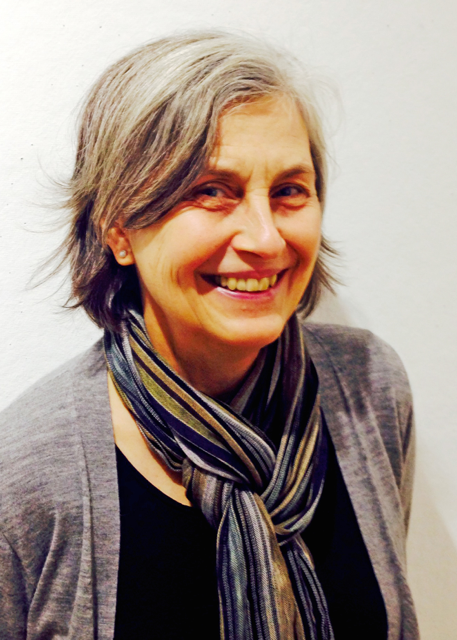
Project title: Moving Tides: My Arctic Voyages
Using digital technology to chronicle physical and virtual excursions through the North Atlantic, Professor Piribeck’s project references the style and genre of Josephine Peary’s memoir, My Arctic Journal. The author joined her husband Admiral Robert Peary on an expedition to Greenland in 1891 and became known as the first woman arctic explorer, outside of the indigenous women living in the arctic at the time.
Professor Piribeck’s journal is a means for recording and reflecting upon the impacts of environmental change, and sea level change, in particular. She considers the cultural, commercial and environmental impact of the Peary’s voyage and will share narratives that juxtapose and blend historical imagery with contemporary ways of visualizing data. Professor Piribeck notes that “climate change is a defining characteristic of our times.” The Gulf of Maine is warming at a rate that is 99% quicker than other oceans in the world. We are experiencing coastal erosion, amplified storm surges, regular flooding, salt-water intrusion and habitat loss to name but a few of the impacts. Cities along shorelines throughout the world are faced with the causes and the effects of sea level change; it remains to be seen how our communities and our governments will respond.
Libby Bischof, Executive Director, Osher Map Library
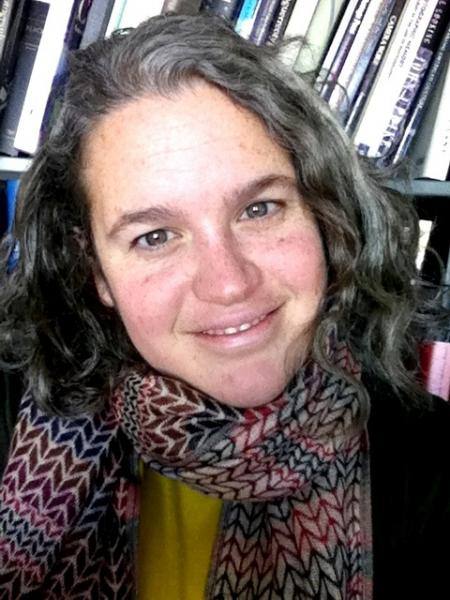
Project title: From Rural to Modern: Photographing Maine and Iceland at the Turn-of-the-Century
As a photographic historian, Professor Bischof engages in comparative photographic research in Maine and Iceland, looking at the ways in which late nineteenth and early twentieth century photographers in both places captured landscapes in transition from rural to modern. One of the central themes in her research is exploring the roles that tourism and emergent transportation infrastructures played in regards to how both Mainers and Icelanders viewed and understood their rural and coastal landscapes, especially as each North Atlantic location became more appealing to outsiders looking to get away from more urban areas and return to nature or to experience unique natural wonders on vacations and Rest Tours. To this end, it’s important to note that the first published photographs in Iceland were produced by Sigfus Eymundsson in 1896 for the Tourist Board and were intended to be viewed (and purchased) by foreign visitors.
Professor Bishof’s project showcases the late-nineteenth and early-twentieth century photographic work of selected amateur and studio photographers in both Maine and Iceland and emphasizes the ways in which their landscape photography simultaneously documented economic development, preserved traditional cultures, and served to inspire outside visitors (to Maine and to Iceland) to experience natural wonders in seemingly atemporal landscapes. In many cases, these photographs taken in remote areas allow modern viewers access to places, peoples, labor practices and cultures not otherwise visible, and, at times, no longer visible.
John Muthyala, Professor, Department of English
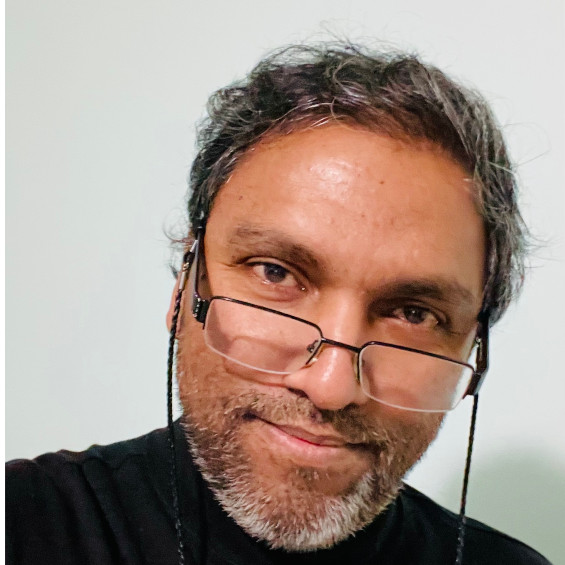
Project title: The Blue Humanities: The North Atlantic in Global Contexts
Using historian John Gillis’ argument to move from land-locked histories to the blue humanities, Professor Muthyala examines how re-envisioning the seas, oceans, and waterways sheds light on early phases of globalization. Specifically, he looks at the shifting cultural meanings of the sea in the context of a burgeoning colonial economy bringing Europe and the Americas into a fateful encounter that would alter the course of human history. Though Iceland has been viewed as a peripheral site in the trans-Atlantic colonial economy, its histories of travel and migration exemplified in the case of the first Black Icelander, Hans Jonathan, shed light on Iceland’s links to a colonial system; using the theories and concepts of post-colonial studies, Muthyala stresses the value of re-thinking contemporary globalization not as an abrupt or transformative break from the past, but as a new phase of a historical process going back hundreds of years, marked by Icelandic explorations of Greenland and North America and the uneven interaction with indigenous peoples as represented in the sagas and other documents.
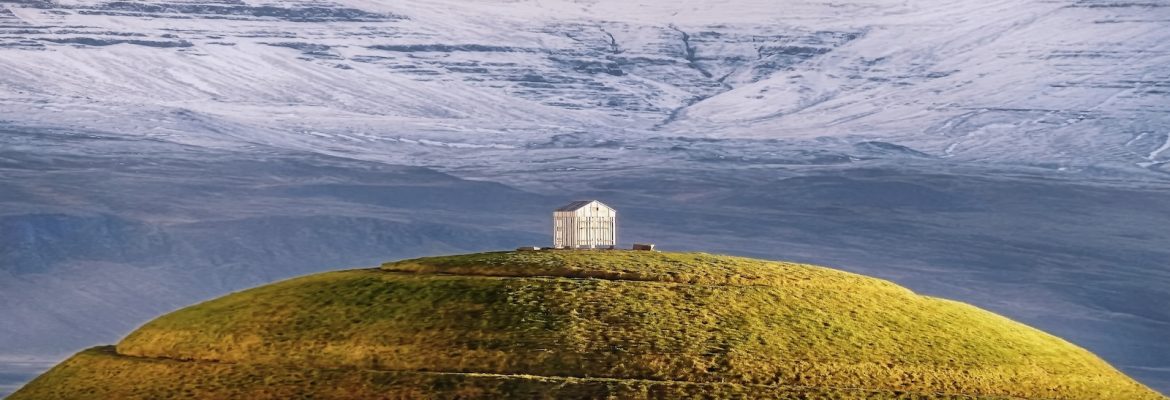
Feature image of þufa, a public art installation by Ólöf Nordal, Icelandic artist. © Shutterstock. All rights reserved.