

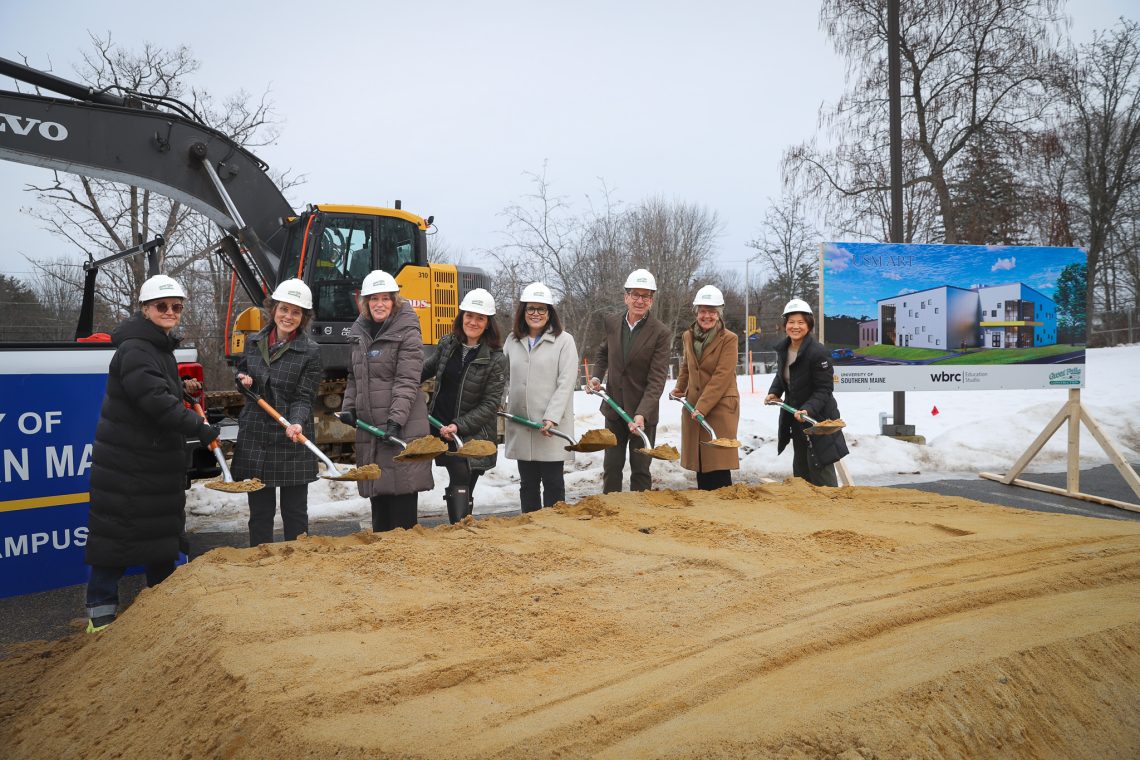
On January 10, the University of Southern Maine officially marked the start of construction on a long-anticipated new home for visual arts programs on the Gorham campus, as university leaders and project partners put shovels to the ground.
Despite the cold winter weather, there were smiles all around at the ceremonial groundbreaking, which also brought out faculty and community members. The new building will not only help meet the projected growth of the department, but also reflects USM’s continued commitment to integrating the arts across disciplines.
The University of Maine System Board of Trustees approved the project in November. The 36,000-square-foot building will use a pre-engineered metal system to maximize program space while staying within budget. Approximately 24,000 square feet will be completed during the initial construction phase, with the remaining space reserved for future expansion.
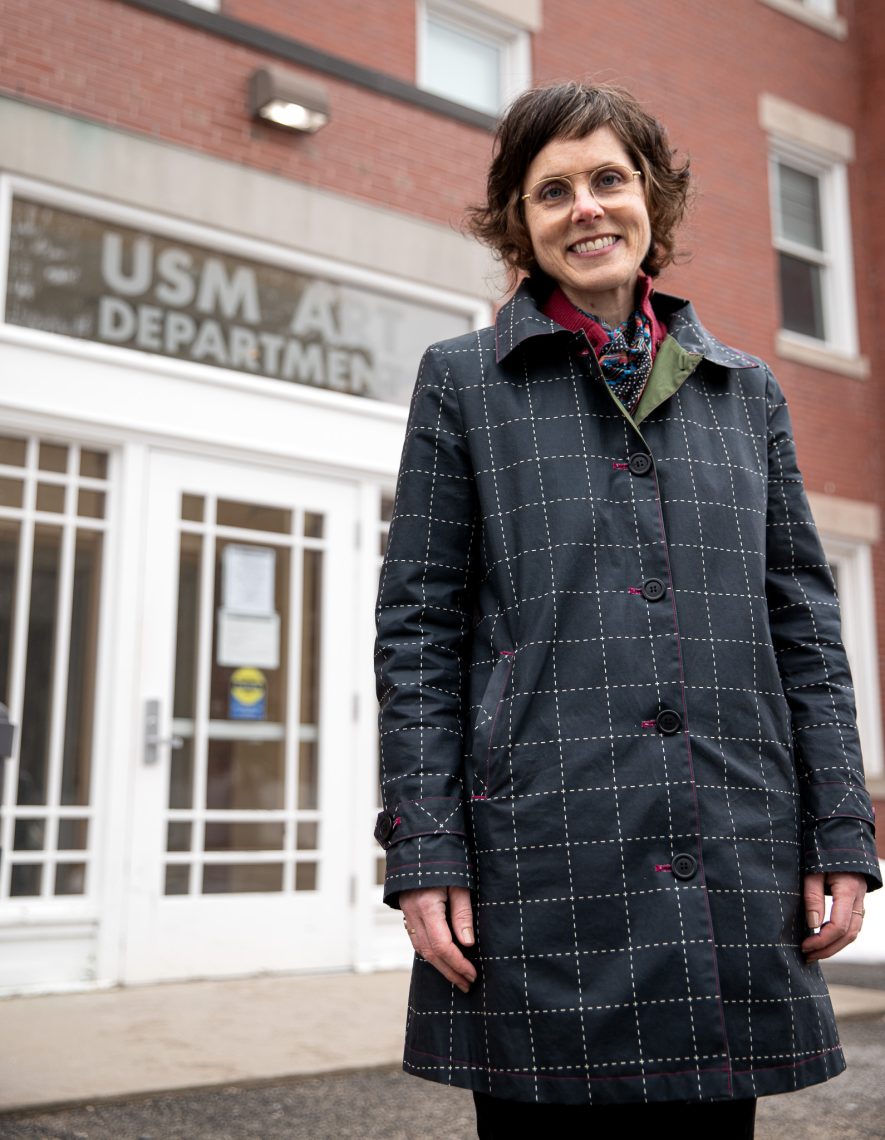
Located at the School Street entrance in Gorham, the building will feature studios for ceramics, design, photography, sculpture, drawing and woodworking, as well as a digital lab and faculty offices. These programs currently operate in the lower level of Robie-Andrews Hall and several nearby structures that no longer meet the needs of students or the programs.
“We have faculty who spent their entire careers advocating for a building like this,” said Kelly Hrenko, professor of art education and associate dean of the College of Arts, Humanities, and Social Sciences. “Having facilities designed specifically for making art changes what’s possible for our students.”
Hrenko said the new building will bring most of USM’s visual arts programs together under one roof, better supporting both arts majors and the large number of non-majors who take art and design courses as part of their studies, while also creating opportunities for public engagement.
“Our programs serve both campus and community,” she said. “This building makes that relationship more visible and more accessible.”
During the ceremony, University of Maine System Chancellor Dannel Malloy spoke about campus facilities and how they shape the student experience.
“For decades, the system underinvested in itself,” Malloy said. “Students are smart. They visit campuses. If we don’t meet them where they are, we’re not going to land those students.”
Malloy said students often weigh the condition and quality of facilities alongside academic offerings when deciding where to enroll, making visible investment an important factor in an increasingly competitive landscape for public universities.
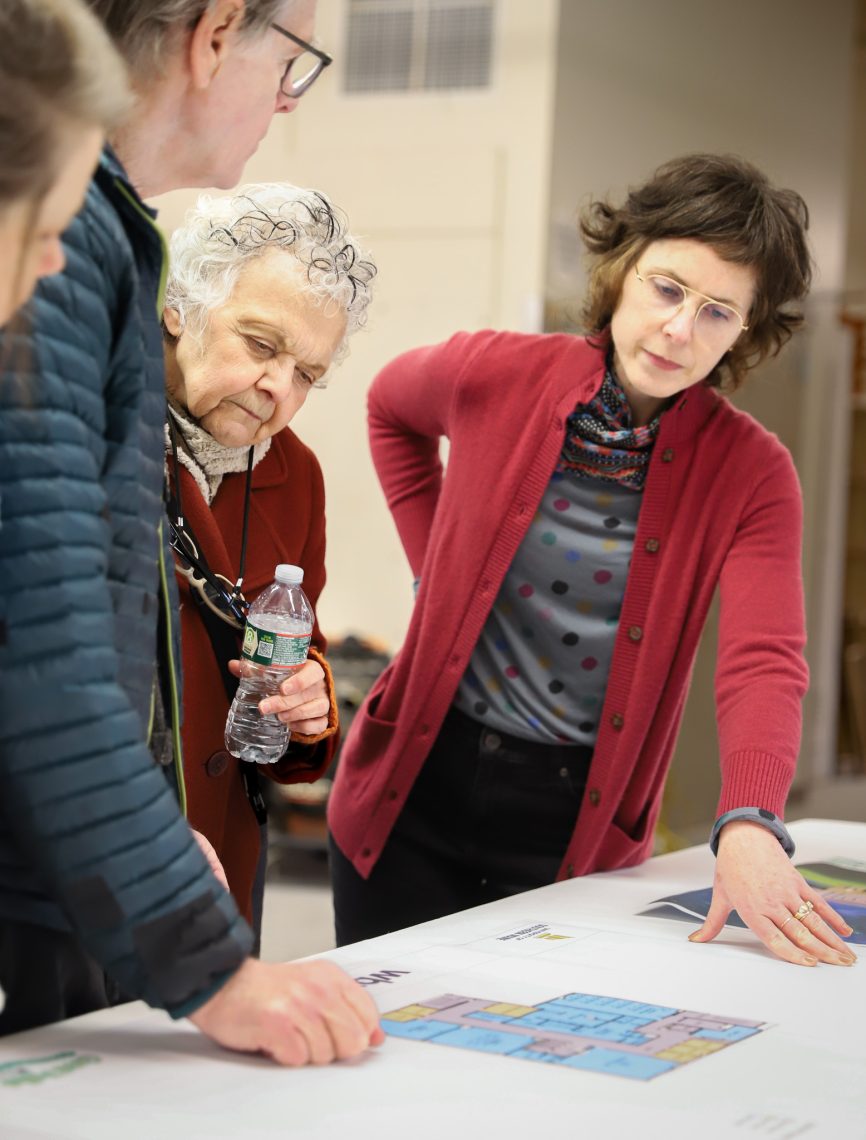
Designed by WBRC Inc., the new visual arts building is intended to bring fresh style and energy to the Gorham campus while remaining flexible enough to support a wide range of creative practices.
“We wanted something that wasn’t going to feel traditional,” said Mike Johanning, the project architect. “The goal was to create an exterior that feels more organic and eclectic, something that really sets the building apart.”
The design allows for the building itself to act as a canvas, with large-scale installations visible through the glass facades and exterior surfaces that can host projected art and murals.
“You don’t really know how all the spaces are going to be used until you see artists working in them,” he said. “Making the building flexible gives students and faculty the freedom to shape it over time.”
Construction is underway, with the building expected to open to students in fall 2027. It will be the first major new academic building constructed on the Gorham campus in nearly two decades.