

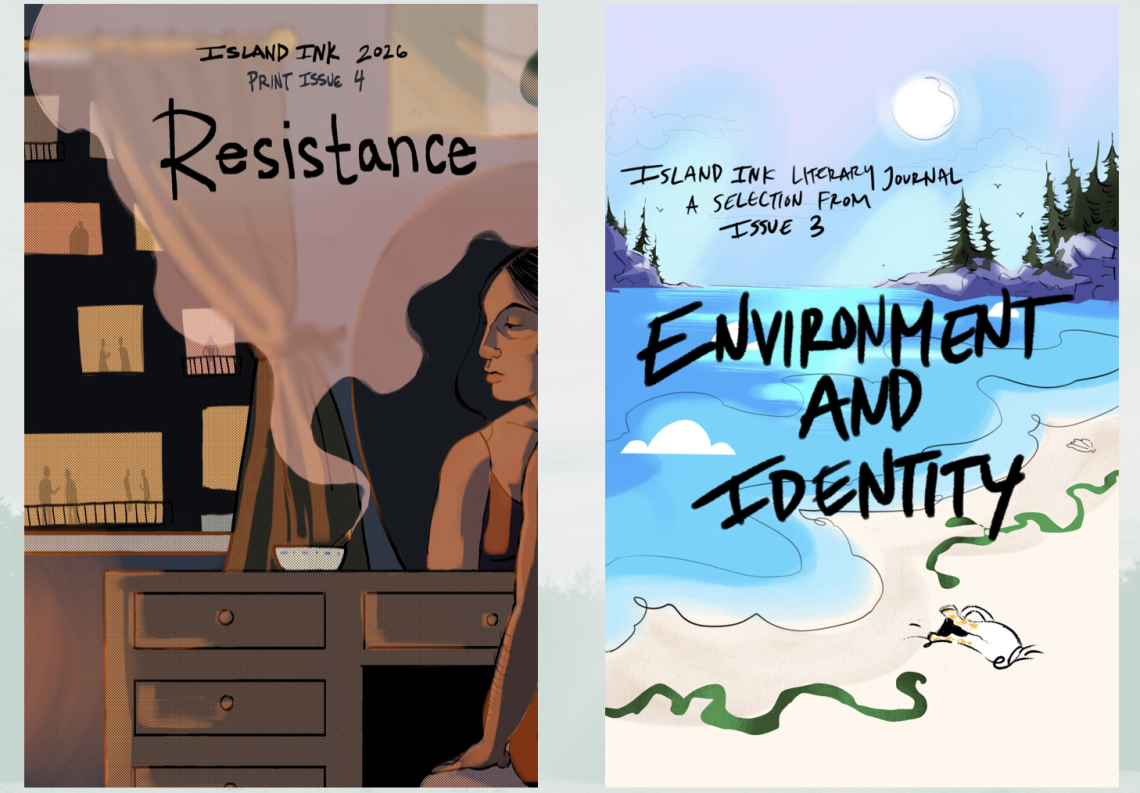
Do print literary magazines matter in a world where most people read on digital devices? Are literary magazines finding it difficult to grow in a digital age?
Per the National Center for Education Statistics, a pattern of decline is evident in the casual reading habits of thirteen-year-olds: in 2012, 27% reported reading for fun, in 2020, 17%, and in 2023, only 14%. According to “Arts Participation Patterns in 2022,” a report by the National Endowment for the Arts, “In 2022, fewer than 50 percent of adults read any book (in print or electronically) in the previous 12 months.” Some, like The Writer, say that because subscription and distribution models have changed in the digital era, many print literary magazines struggle to survive, let alone thrive.
But counter intuitive thinking asks other kinds of questions: in the digital age, more people are reading, not necessarily for pleasure, but they surely are reading a lot, so what happens to aesthetic reading? Are digital platforms making print copies obsolete? How are editorial practices changing in the digital age? What new skills are required to produce compelling reading and viewing content today?
Rather than treating the digital age as the end of literary culture, English 307/Honors 315: Topics in Professional Writing and Advanced Writing in Honors, taught by Professor Amy Amoroso in the English Department, goes a step further: What does it take to produce a literary magazine?
The course offers students hands-on publishing experience through the literary journal Island Ink. True to its mission, the magazine goes against conventional assumptions by thinking beyond the traditional literary journal: “Unlike traditional literary journals, we accept short films, digital artist books, podcasts, and other forms of mixed media in addition to poetry, fiction, non-fiction, and visual art.”
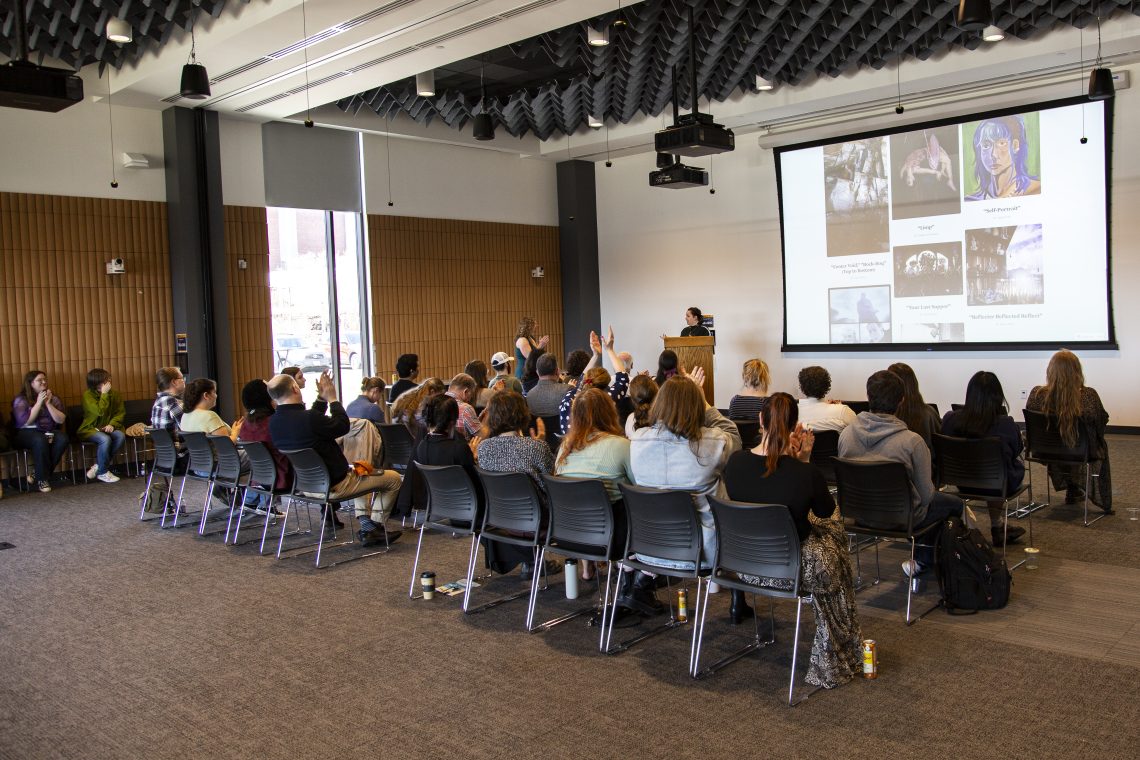
Students in the course engage in all steps of the publication process, including reading and responding to submissions, corresponding with contributors, editing work, pairing visual art with writing, and publishing work and bios on the website. Along with publication experience, students in this course research, analyze, and write about modern literary journals and think critically about the importance of creative work in a time when STEM is often prioritized. By the end of the semester, students share the final product (the next issue of Island Ink) with the USM community.
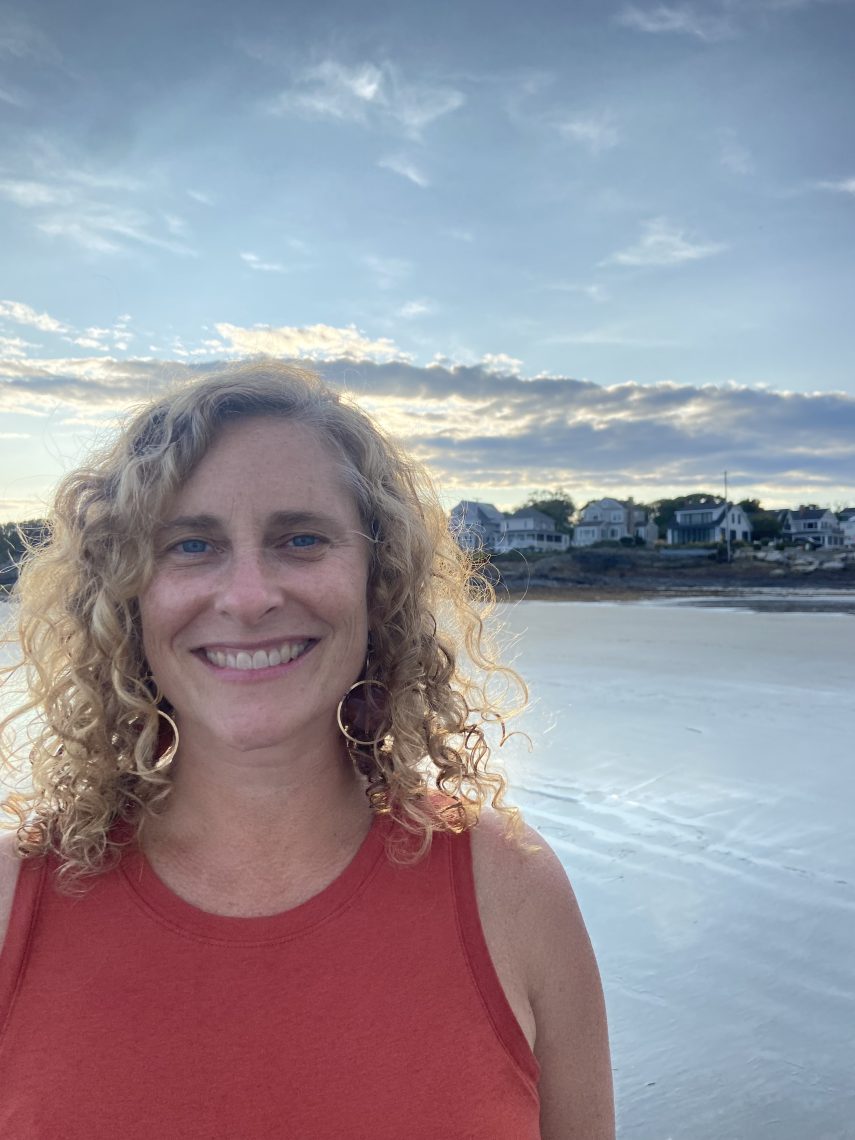
Speaking about the value of such skills today, Professor Amoroso says that “publishing a literary journal not only allows students to see the relevance of the humanities, but it also gives them practical skills to apply to future employment. Students work on editorial teams, learn project management skills, enhance communication skills, think about design and the experience for the reader/viewer, understand the nuances of print and digital publishing, plan marketing and promotional events, and more.
Student responses have been encouraging. One student observes, “I had never done any work toward literary journal or publishing/editing, and this class made me realize how much I love doing it, as well as working with a team.” Others say that the course involved “a team-building practice resulting in a published volume of a digital (and analog) literary journal,” and provided “a well-rounded perspective of the publishing industry.”
After each issue is published, students hold a publication party and reading. Senior editors share the digital and print issues of the journal with the USM community, and published contributors read from their work.
Professor John Muthyala, who leads USM Digital Humanities, points out that “ Island Ink is a good example of digital humanities innovation, because it creatively bridges print and digital cultures, while providing material and intellectual spaces for students to learn core editorial skills and practice design thinking.”
The fourth issue includes fiction, non-fiction, poetry, and media, all produced by students, and showcased in print and online forms by students.