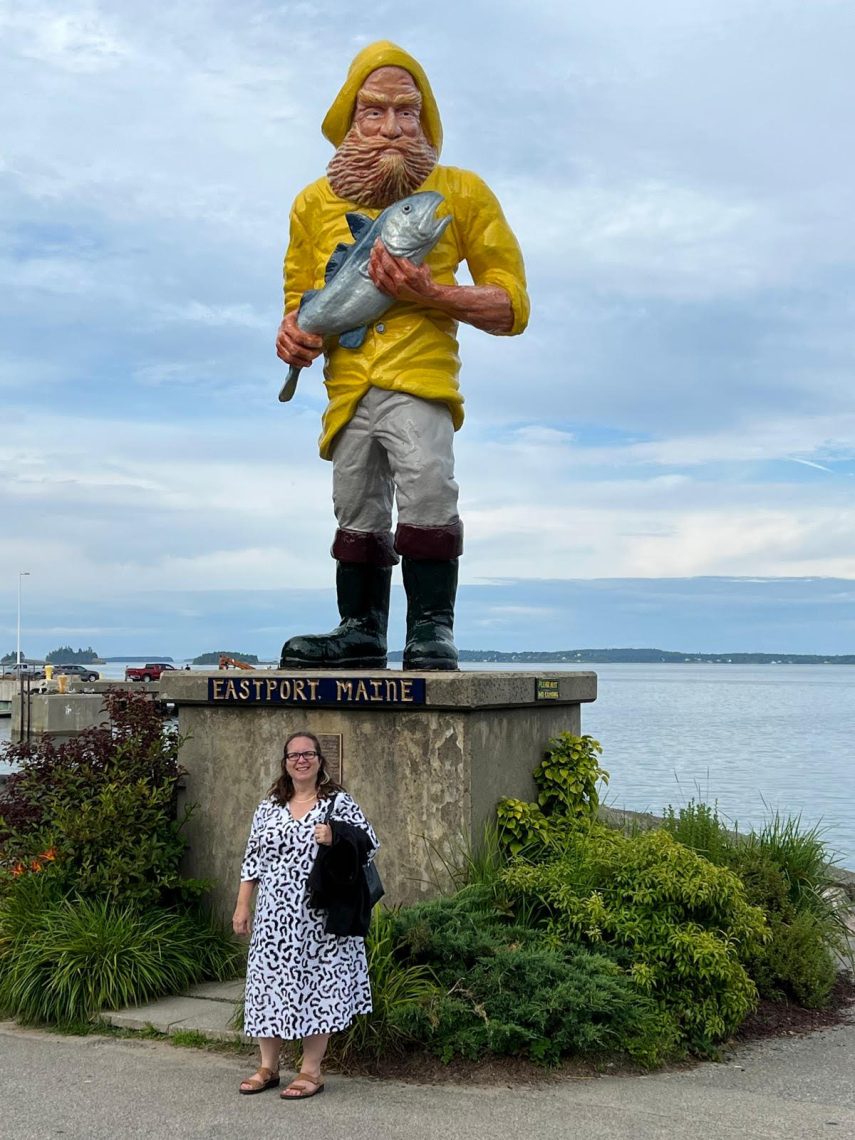

Susan is an anthropologist who has been a part-time lecturer at the University of Southern Maine since 2017 and is now joining as a full-time Assistant Professor in Social and Behavioral Sciences. She brings a global perspective to her work, having studied abroad in Switzerland and Germany and lived in Turkey for 17 years, where she also taught in an interdisciplinary Humanities and Social Sciences program. She grew up in Blue Hill, Maine and several members of her family now live in the Portland area. Stemming from her experiences as an Americorps Vista Volunteer with the City of Lewiston Somali Resettlement Project in 2003 and from her collaborations with migrant communities in Turkey, she has a long-standing interest in cultural diversity in Maine and beyond.
Educational Credentials
2012 Ph.D. Cultural Anthropology, University of Wisconsin, Madison
2006 M.A. Cultural Anthropology, University of Wisconsin, Madison
2002 Cornell-Heidelberg Post-Baccalaureate Fellowship, University of Heidelberg, Germany
2001 B.A. Comparative Religion, Cornell University
Areas of Expertise
Dr. Rottmann’s overarching research goal is to deepen the understanding of belonging as a multi-dimensional social experience and translate these insights into actionable strategies to address migration challenges, enhance societal harmony, and support vulnerable populations. Her key research questions revolve around:
• What is belonging? Is it a feeling or an action? A state of mind or a performance?
• How is belonging shaped by culture, race, social class, and gender?
• How can we increase belonging for disadvantaged individuals or groups?
Research Interests
Dr. Rottmann’s research spans migration, politics, gender, culture, and food studies. Her work is highly is interdisciplinary, involving collaborators from sociology, psychology, geography and interior architecture. She is currently involved in several multi-year international research projects:
- OppAttune: Funded by the EU’s Horizon Europe program, this project aims to understand oppositional extreme ideologies and create trust in democratic institutions in 17 countries. Dr. Rottmann contributes by examining how cultural histories drive “us/them” thinking.
- GAPs: Also funded by EU Horizon Europe, this policy-driven project studies return migration in 11 countries, with Dr. Rottmann focusing on migrants’ perceptions, actions, hopes, and dreams and amplifying their voices through digital storytelling.
- PHOENIX: Funded by the Belmont Forum, this project investigates climate migration in 8 countries. Dr. Rottmann coordinates country teams and conducts case studies on food insecurity for migrants, exploring how climate pressures intersect with migration decision-making.
- Food, Homemaking and Social Integration for Syrian Women in Istanbul, Gaziantep and Hatay: Funded by TÜBİTAK (The National Science Foundation of Turkey), this project analyzes how cooking and food sharing foster kinship bonds and create bridges between Turkish and Syrian communities, offering practical applications for integration programming.
In the coming years, Susan plans to expand her research to the study of belonging in Maine and global-local challenges such as economic inequality, political polarization, and environmental displacement.
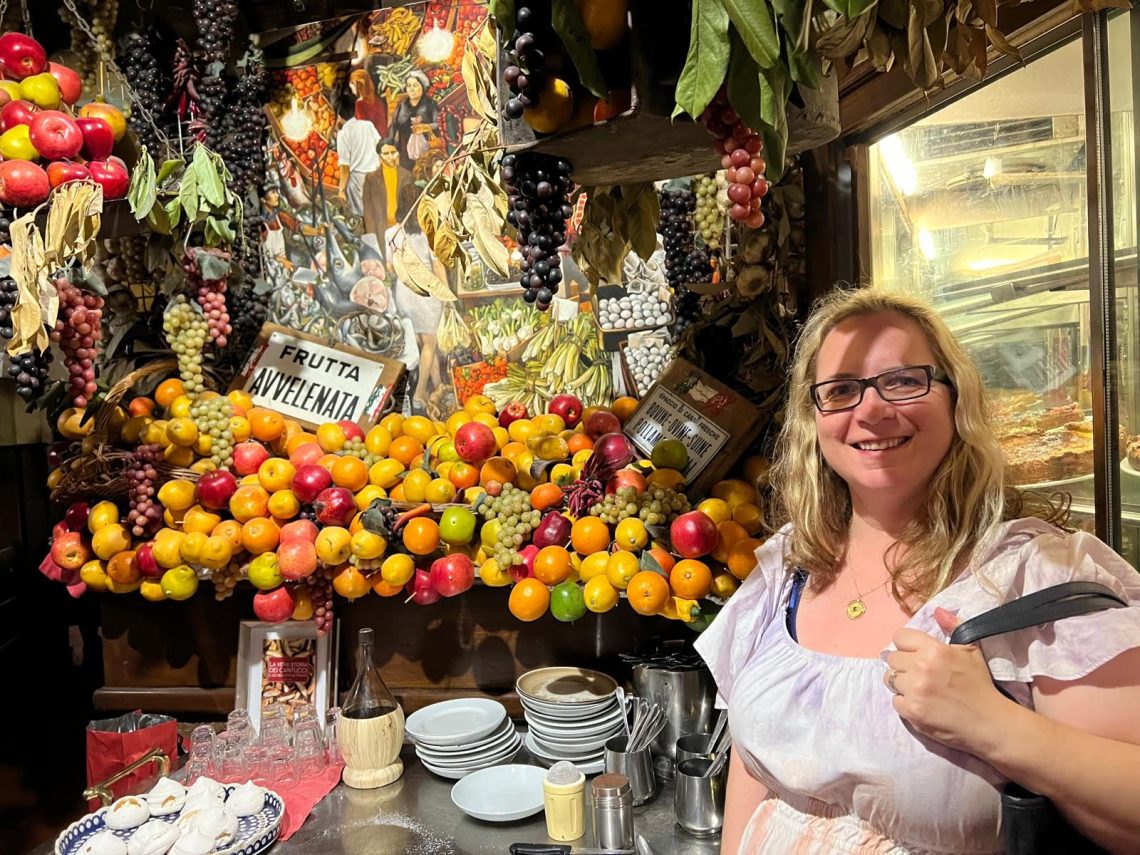
Personal Hobbies/Interests: Trying new foods, cooking, reading science fiction and fantasy, film, animals (especially cats and farm animals), crafts and games, spending time in nature and travel.
What do you enjoy most about teaching SBS students?
In spite of today’s polarised, contentious, and uncertain political climate, USM students show immense empathy and openness in my courses. Their genuine curiosity about others and their respect for discussing with one another gives me hope about the future of our country. Maybe together we will find new ways to address some of the most challenging issues that our society faces?
In the coming years, Susan plans to expand her research to the study of belonging in Maine and global-local challenges such as economic inequality, political polarization, and environmental displacement.
Personal Hobbies/Interests
Trying new foods, cooking, reading science fiction and fantasy, film, animals (especially cats and farm animals), crafts and games, spending time in nature and travel.
What do you enjoy most about teaching SBS students?
In spite of today’s polarized, contentious, and uncertain political climate, USM students show immense empathy and openness in my courses. Their genuine curiosity about others and their respect for discussing with one another gives me hope about the future of our country. Maybe together we will find new ways to address some of the most challenging issues that our society faces?