

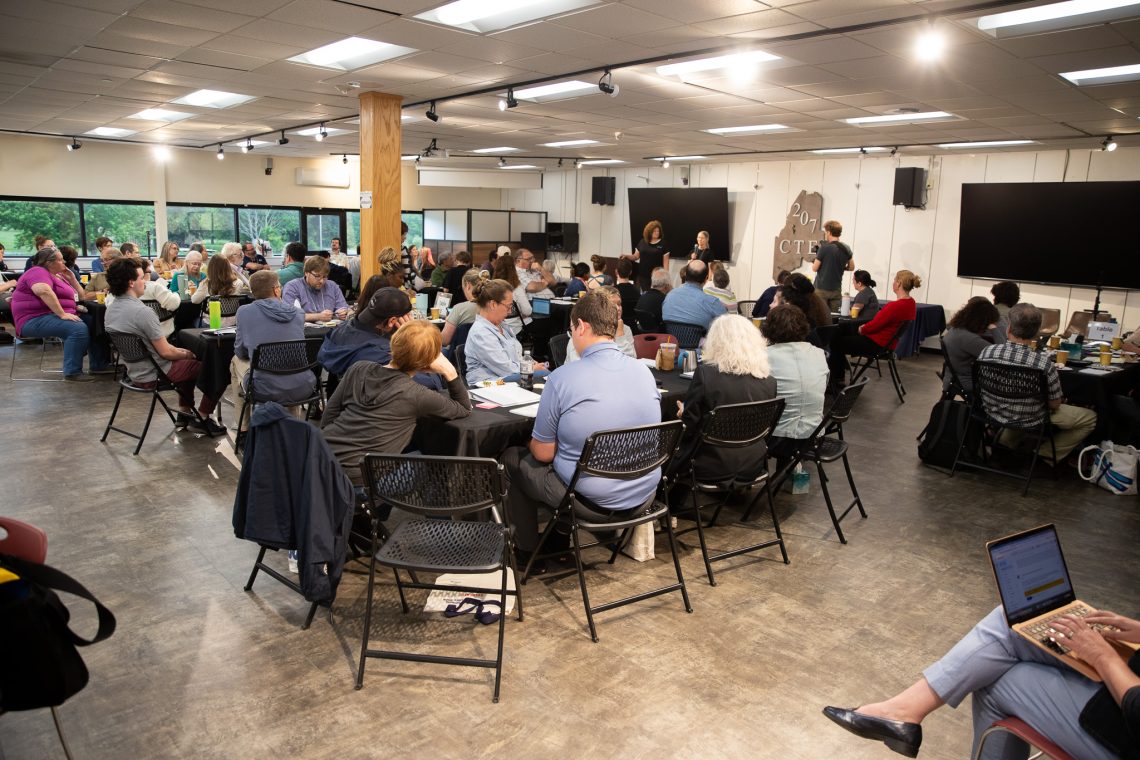
After two days of deliberation in Bangor, the delegates of the Maine Citizens’ Assembly on Education Priorities voted to advance two recommendations that earned at least two-thirds support. The proposals will now move to researchers for analysis before being returned to the delegates for a final vote and then being considered by a bipartisan group of lawmakers to help inform education policy discussions ahead of the next legislative session.
Among the first statewide citizens’ assemblies held in the United States — and the first to focus on education and include high school students — the assembly was organized by the Center for Education Policy, Applied Research, and Evaluation (CEPARE) at the University of Southern Maine in partnership with the Maine Education Policy Research Institute (MEPRI), a joint effort of the University of Maine System and the Maine Legislature.
Held on June 17 and 18, the assembly brought together delegates from all 16 counties to set priorities for the state’s next governor and Legislature on PK-12 education. It’s the second phase of Maine Education 2050, a long-term effort to understand how education and schooling should evolve to help Mainers thrive in the decades ahead.
Jennifer Chace, assistant director of CEPARE, recruited panelists and coordinated the assembly while trained moderators, legislators, and CEPARE colleagues helped carry out the event. Delegates themselves were chosen separately, through a lottery process known as sortition. MEPRI provided the learning materials and experiences used both during orientation and throughout the two days in Bangor.
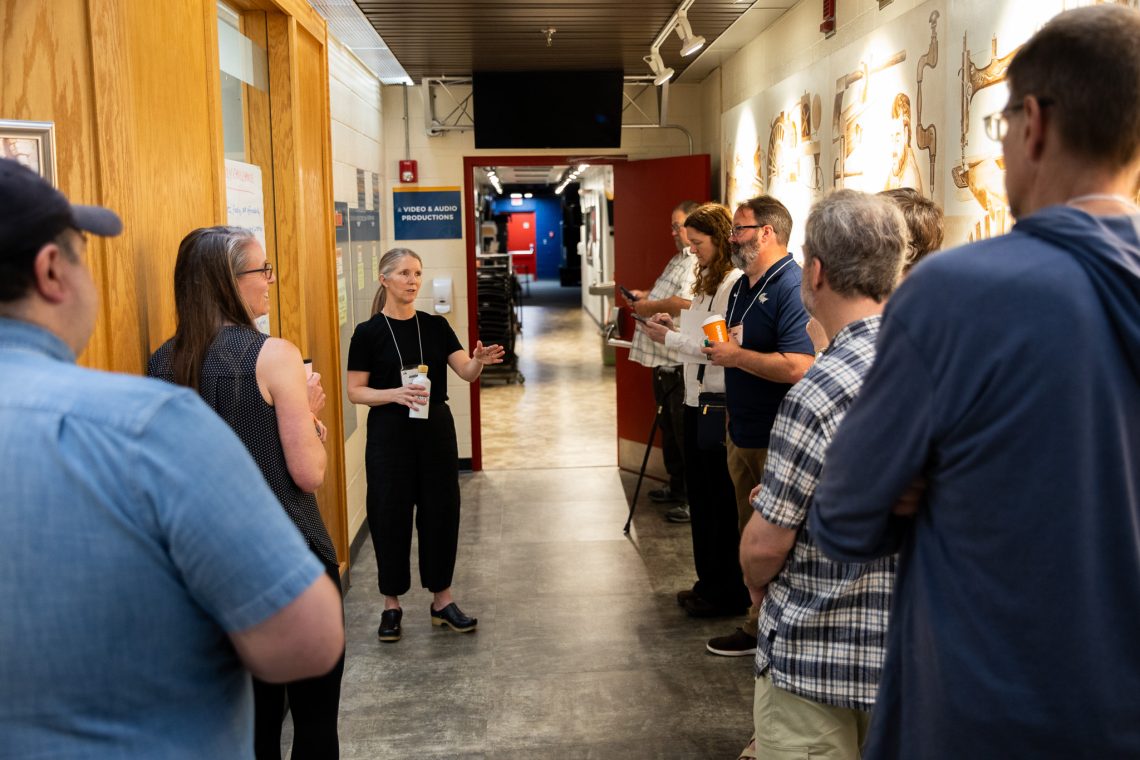
“Now I think we’ve proved it. We can do it,” Chace said. “And it was valuable.”
Reaching common ground took preparation well before delegates arrived in Bangor. Ahead of the assembly, they participated in two virtual orientation sessions, where they learned what a citizens’ assembly is and listened to a compilation of quotes from more than 1,000 Mainers collected during the project’s first phase.
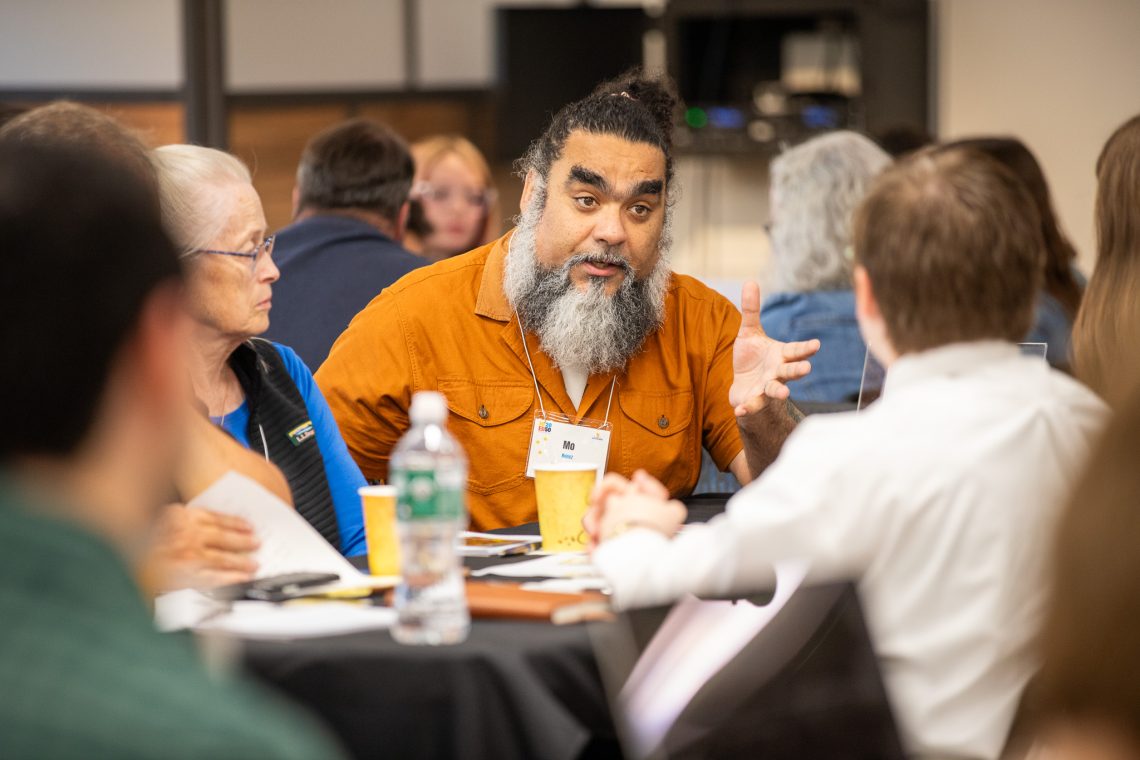
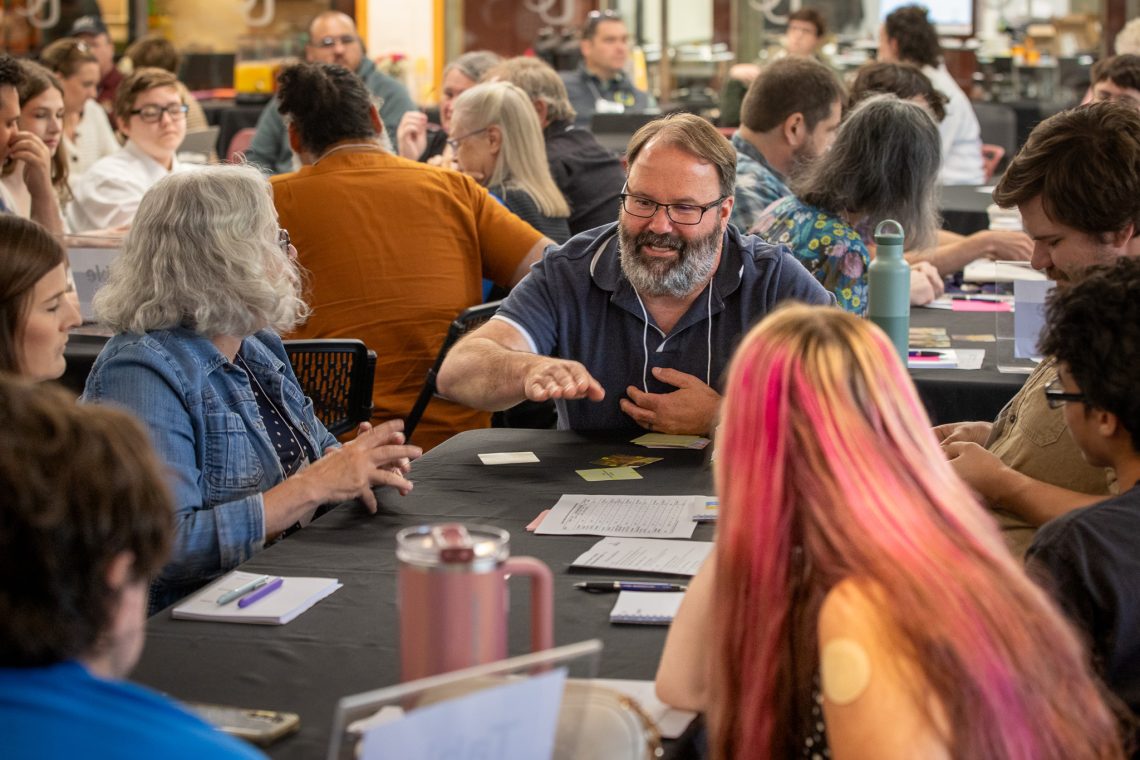
After a brief icebreaker, each table worked as its own small group, drafting policy proposals and posting them for feedback, and then revising them based on comments from other groups. The revised proposals were then presented to the full assembly, where legislators and experts offered feedback for delegates to consider. Following a final round of revisions, delegates voted using colored dot stickers: green for a top priority, blue for a proposal they could accept, and red for one that crossed a core value. Any red vote required a written explanation.
The willingness to engage with differing viewpoints was central to the process. In her opening remarks, USM President Jacqueline Edmondson reminded delegates that disagreement in the room would not be a sign of failure.
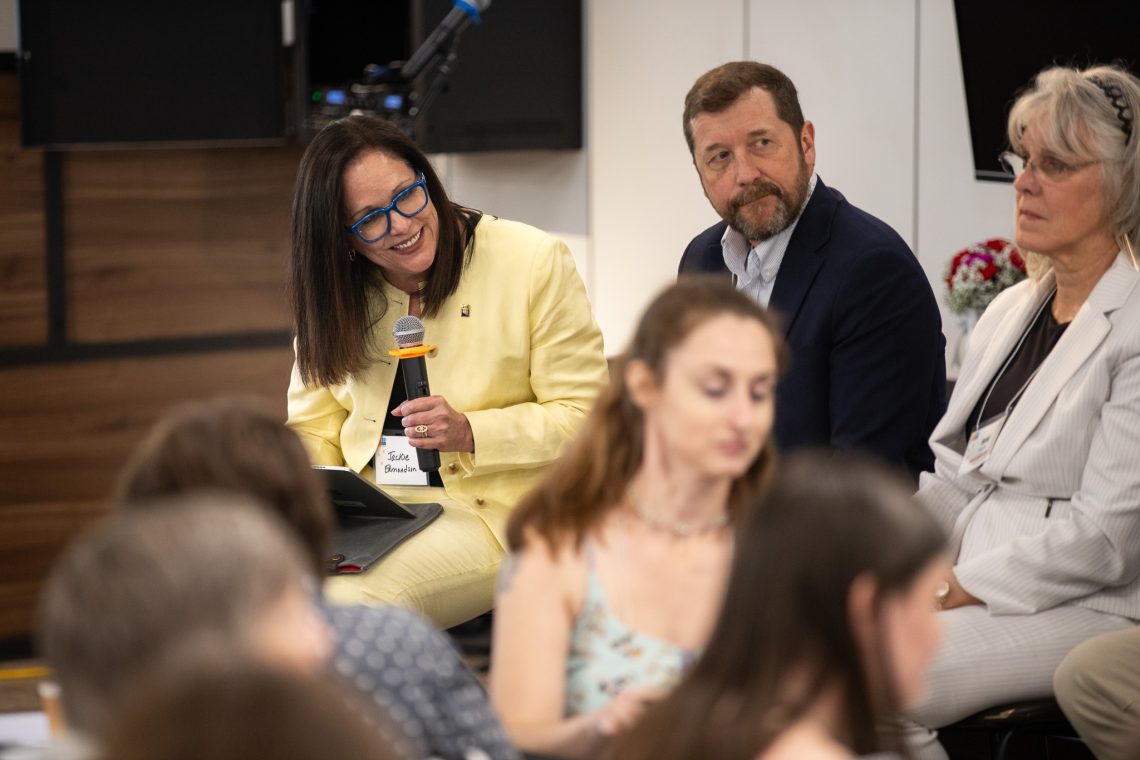
“Individuals who enter a conversation with strong opinions often leave with a more nuanced understanding after hearing someone else’s story,” Edmondson said.
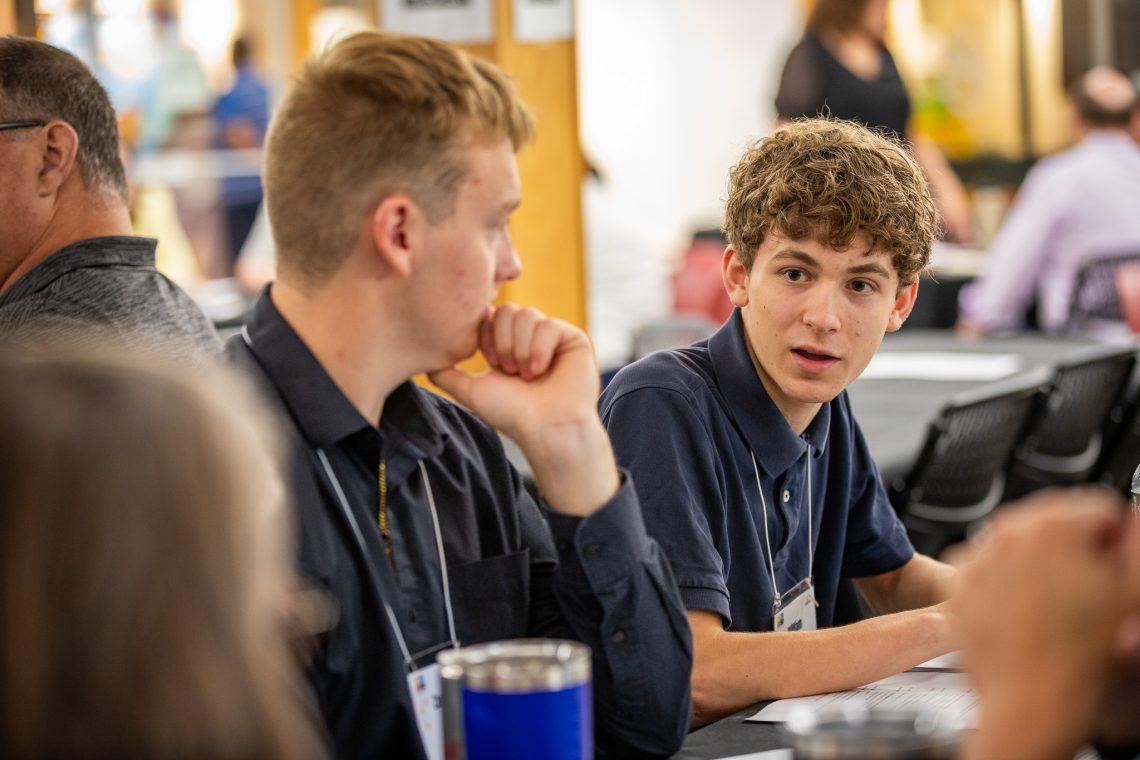
That proved true for Ethan Halfacre, a high school student from Sagadahoc county, who said there were a lot of different opinions and perspectives to work through.
“Some people are talking about, ‘Oh, we should be teaching kids more English or math,’ and I’m hearing other sides where they say, ‘We should be going away from that to focus more on schools,’” said Halfacre.
The five proposals with the most acceptance, and 10% or less opposition, advanced to a final round of voting. Delegates then voted by raising hands to signal acceptance of each proposal moving into the summer’s policy analysis phase, with two-thirds support required to advance. Only two cleared that bar, both addressing student engagement and motivation, the single largest obstacle shared by both students and adult Mainers raised in the first phase of the project.
The first recommendation calls for earlier and more frequent exposure to career options across PK-12, paired with practical life skills for adulthood, taught through hands-on learning. The second calls for statewide support for experiential, project-based learning — delivered through state recommended curriculum, teacher training, and community partnerships, to ensure it reaches all students regardless of where they live.
“It doesn’t matter how much funding we have if we don’t have kids who are excited and ready to learn,” Chace said. “It doesn’t matter if you have teachers in the workforce, if no one’s coming to school because it’s not relevant.”
The two recommendations, each with 84% support, exceeded Chace’s expectations. She was particularly moved by how delegates worked together across generations, political identities, and regions of Maine.
“What I didn’t necessarily expect was the level of non-partisanship that was possible on the part of the delegates,” Chace said. “It was beyond what I could have hoped for.”
Chace credited part of that to groundwork laid early in the two days. Each table identified a set of shared values and talked through what respect would actually look like in their conversations, then committed to holding each other to it. The legislators helped, too, modeling what Chace called civic friendship, showing delegates that people who disagree can still work together for the good of Maine as a whole.
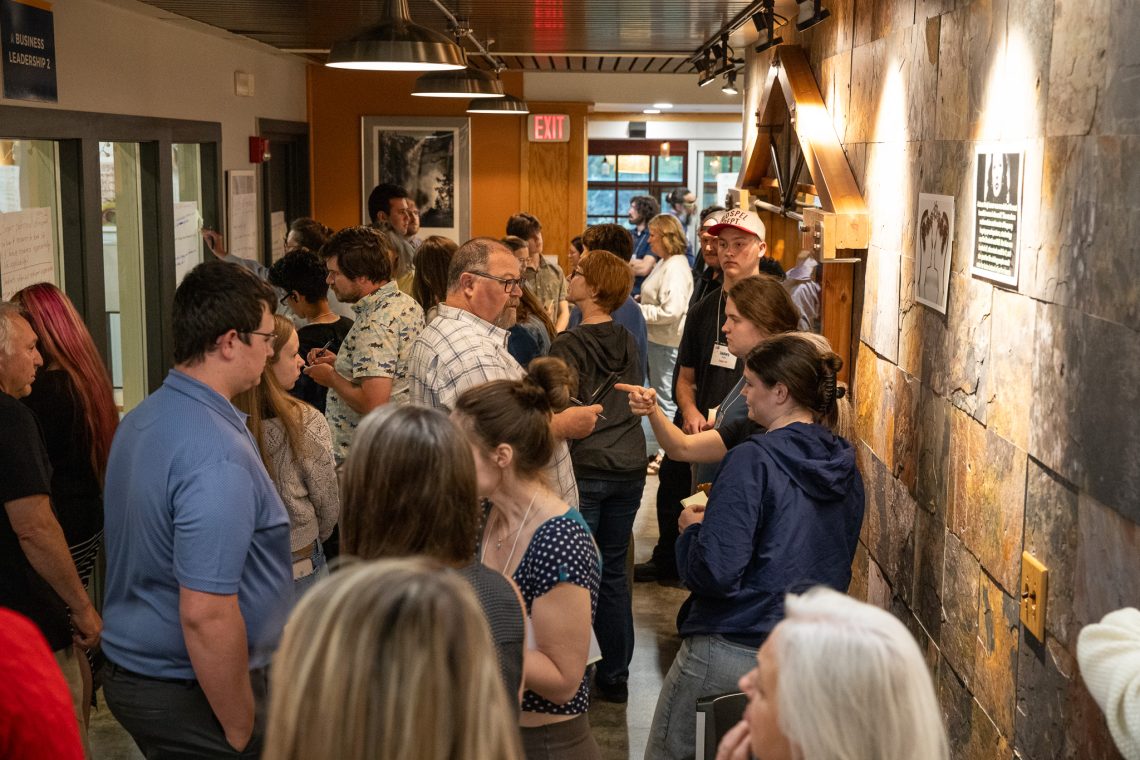
Over the summer, CEPARE and MEPRI researchers, along with Chace’s USM doctoral students, will turn the two recommendations into draft policy options, with MEPRI leading the policy analysis, hosting the fall workshops, and writing the final report. Those drafts will go out to statewide education organizations and to volunteers who registered but were not selected, for structured feedback through the same open-source digital platform, originally built for the Scottish Government, that delegates used throughout the assembly. Delegates will reconvene online on Aug. 28 to weigh that feedback, refine the proposals, and vote to approve their final recommendations by a two-thirds supermajority.
From there, the proposals move to the bipartisan group of lawmakers that has partnered with CEPARE this year, where they’ll be used in strategy sessions as lawmakers consider bills for the next session. Organizers are also working on plans for a fall event at USM, where a small group of delegates elected by their peers will present the assembly’s priorities directly to Maine’s gubernatorial candidates.
More information about the assembly is available on the Maine Citizen’s Assembly on Education Priorities website.