
The University of Southern Maine hosted two regional public safety training events in May and June, collaborating with local schools, first responders, and emergency management professionals on its Gorham campus. Both events were designed to strengthen the relationships and coordination critical to an effective emergency response.
The May 20 exercise, organized in coordination with Gorham Schools, simulated the evacuation of students and reunification with their families following a critical incident. Approximately 20 Gorham High School students acted as evacuees, while school staff stood in as parents and guardians, with Gorham Police, Fire, and the Red Cross teams managing the response.
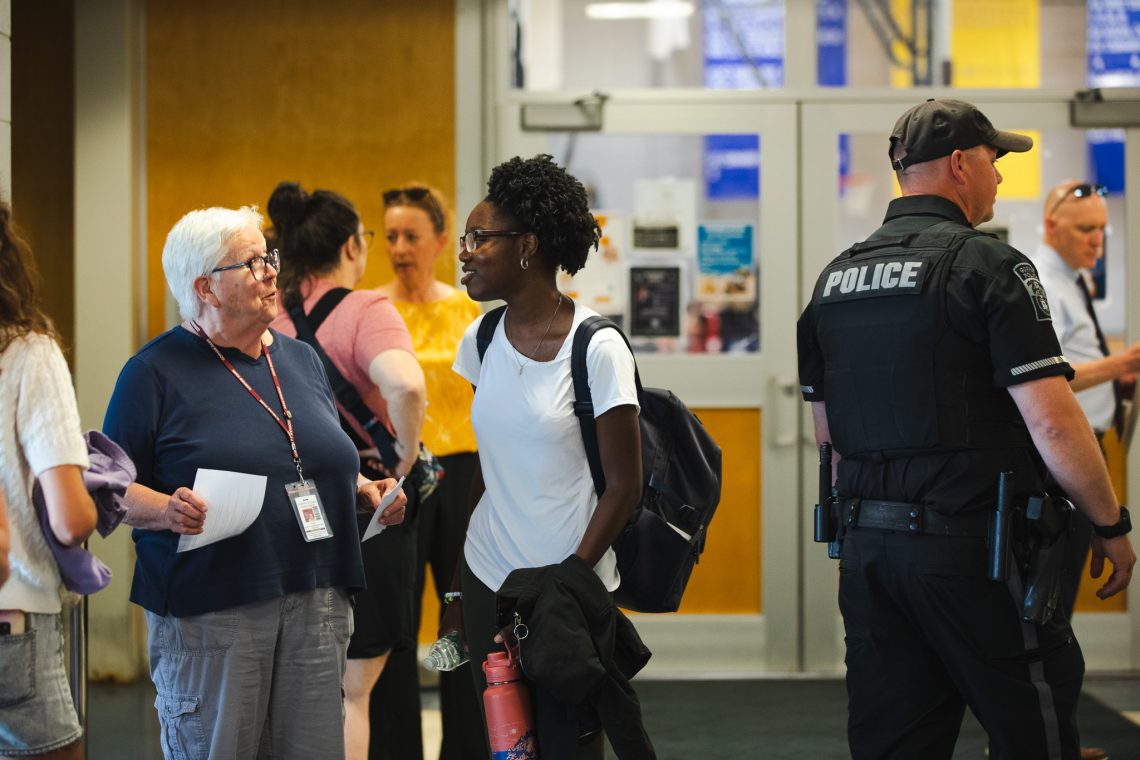
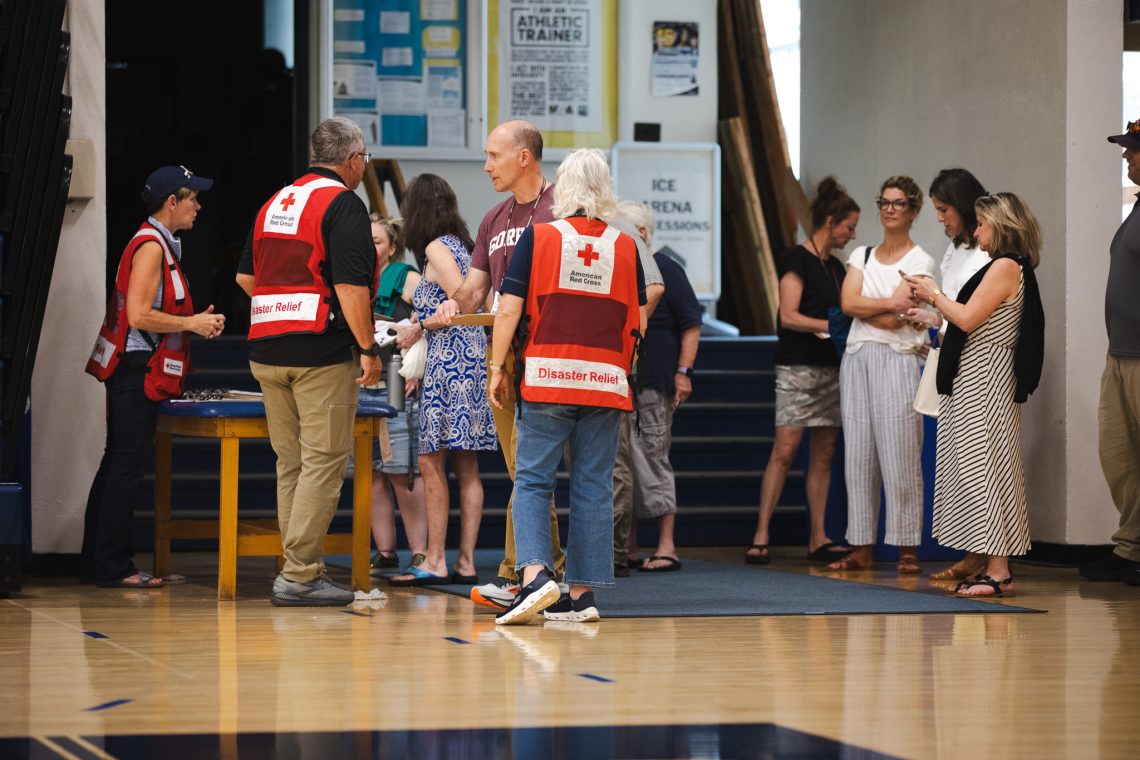
The reunification exercise came together after months of planning across a range of organizations, covering everything from transportation logistics and family communications to emergency radio systems and medical protocols.
“These exercises build trust, familiarity, and interoperability between agencies and institutions,” said Gráinne Perkins, USM’s chief of police and vice president of public safety. “In a real emergency, relationships matter.”
For Gorham School District Assistant Superintendent Quinton Donahue, the value of that preparation goes beyond what happens on the day of the exercise.
“One of the biggest benefits of this kind of work is knowing that if we ever did face a real emergency, the relationships, communication pathways, and procedures would already be in place,” said Donahue. “That familiarity and coordination across organizations can make all the difference when quick action is needed.”
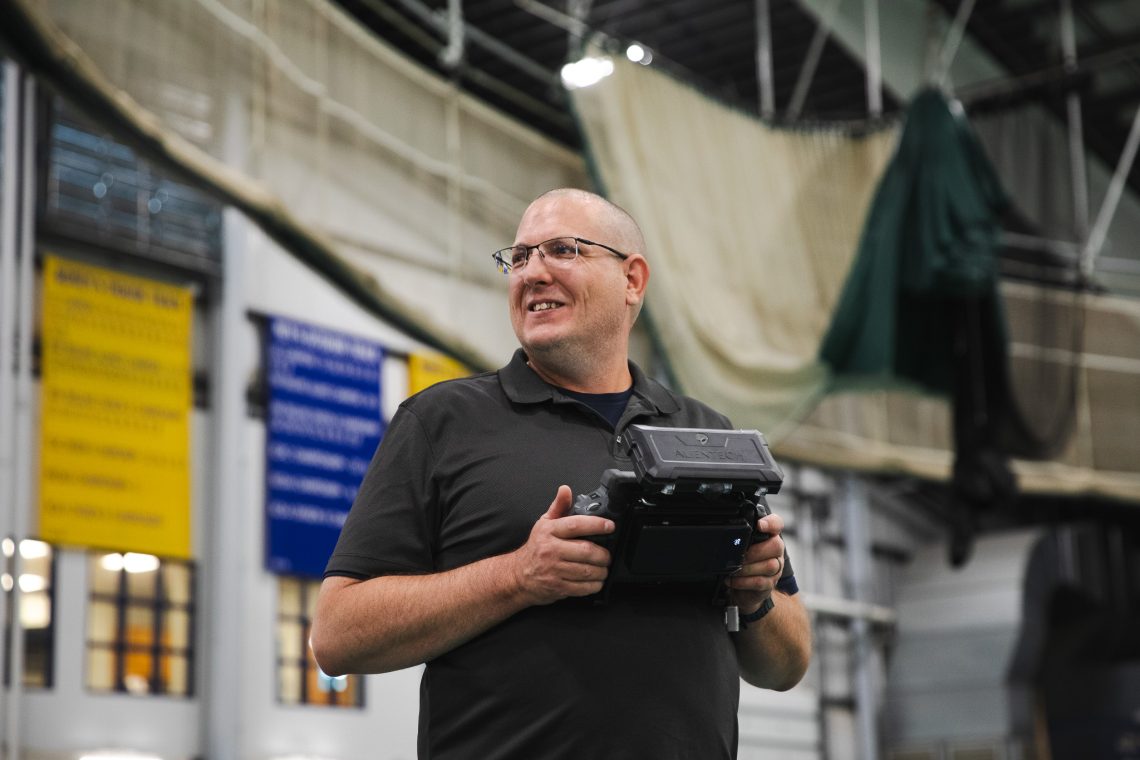
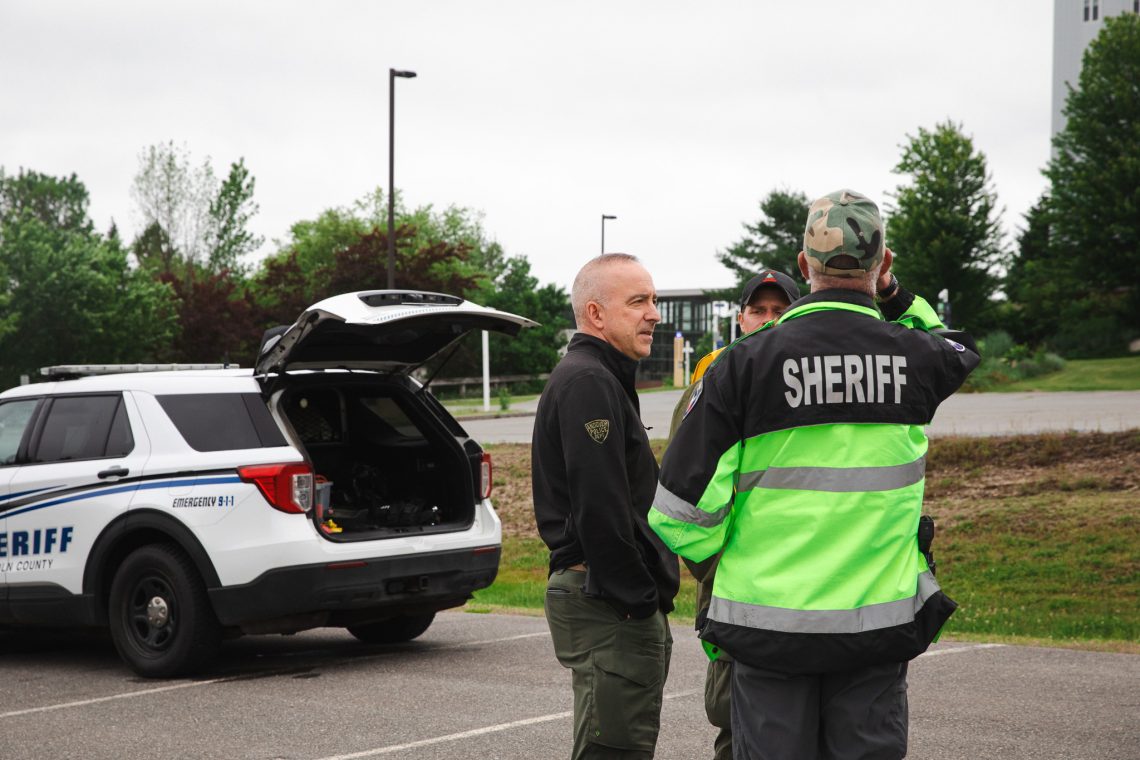
On June 18, USM continued that work, hosting the Response Ready: Public Safety UAS Conference, organized in partnership with the Cumberland County Emergency Management Agency (CCEMA). The full-day event brought regional public safety professionals together for training on drone technology, covering search and rescue operations, federal standards, regulations, and hands-on flight time.
For Chief Perkins, the two events reflect a broader institutional commitment.
“USM has the ability to serve as both a learning environment and an operational partner, and I think that benefits not only our students and staff, but the wider Southern Maine region,” said Perkins.