

Housing insecurity in rural Maine can be difficult to see from the outside. A University of Southern Maine project put cameras in the hands of eight Lakes Region residents who have experienced it, giving them a chance to show the public what outsiders miss.
The result is the Lake Region Photovoice Project. Photovoice is a community-based research method in which participants, or artist researchers, document their own experiences, discuss the images together, and help shape the message presented to the public. The work will be on display at the Magic Lantern Theater in Bridgton from Aug. 28 to Sept. 7.
Jessica, one of the eight artist researchers, took a photograph she titled “Abandoned Cabin.” It shows a bare room with a thin mattress on the floor, a blanket and pillow arranged on top, and daylight coming through the room’s one window.
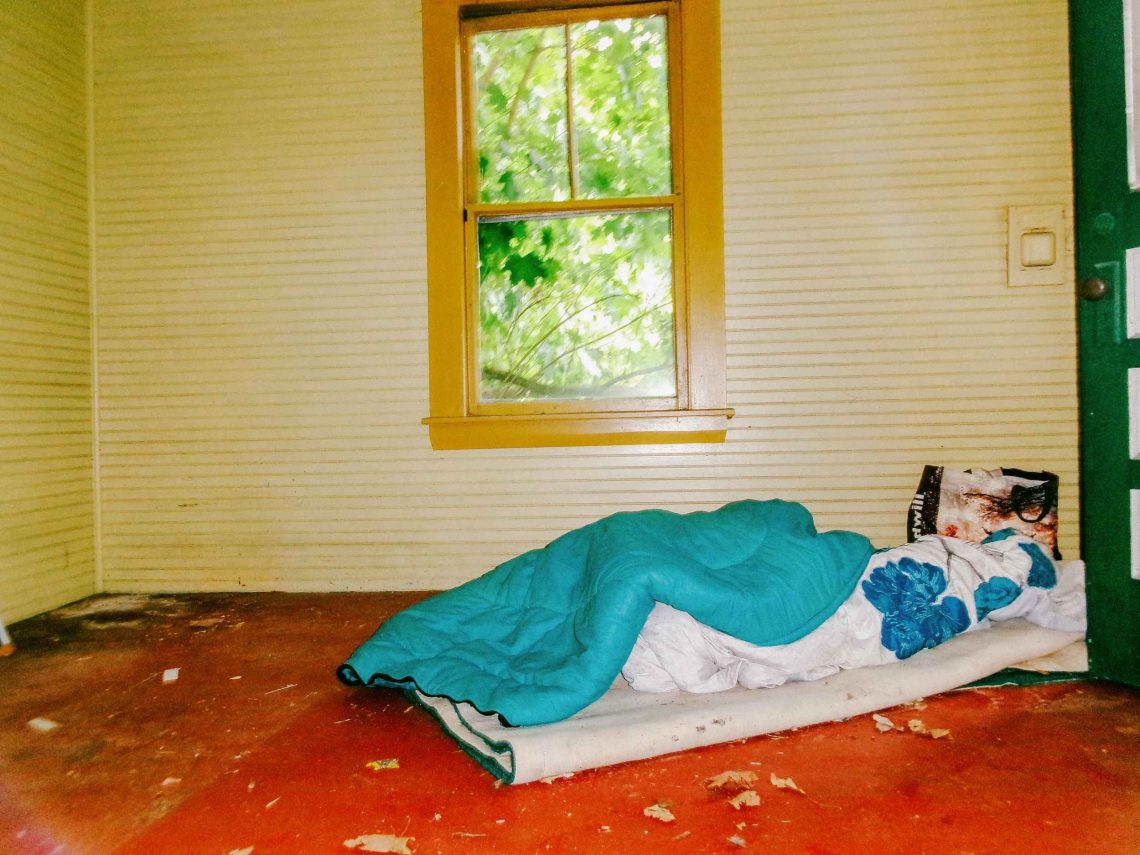
“I just took it because I was trying to show where people have to kind of go at night, when you’re looking for a place where you can lay your head that’s sheltered and somewhat safe, but also kind of secluded,” Jessica said. Later in the same conversation, she said, “I myself have lived out of the back of a truck for over a year, all year round.”
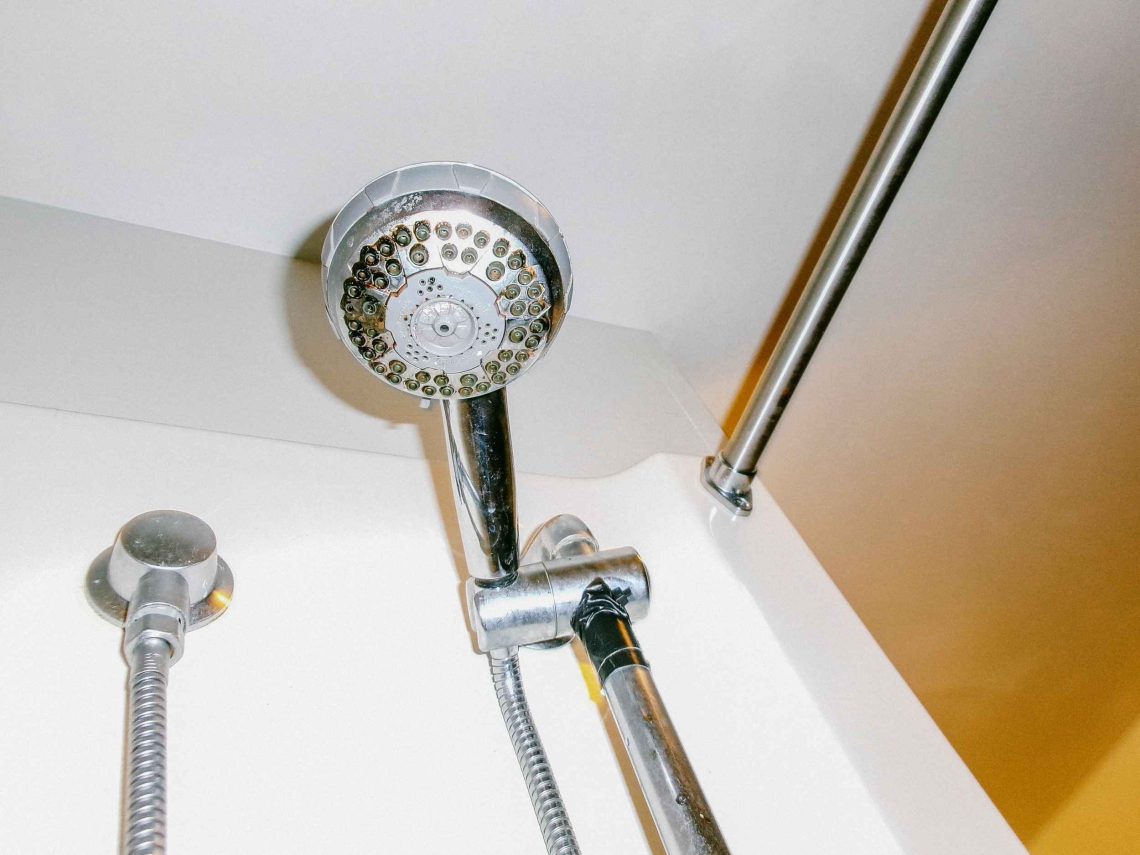
Mojorizen, who has been homeless, photographed a shower head and titled the image “Clean Slate?”
“You know, the simplest things that we take for granted, like a toilet or a shower, means so much to someone that doesn’t have that,” Mojorizen said.
USM faculty members Krissy Gleason, chair and associate professor of psychology, and Tabitha Barnard, part-time lecturer of art, led the project — with help from five USM psychology students. They collaborated with the Lakes Region Recovery Center in Bridgton as well as local service providers and community members.
“Housing insecurity is much more hidden and discreet compared to places like Portland — harder to see from an outsider, but very apparent to those who are living in the area and seeing and experiencing the way it impacts day to day life for people in these areas,” said Jordyn Tibbetts, a 2025 USM psychology graduate who served as a research assistant on the project.
Gleason defines housing insecurity broadly, encompassing experiences such as couch surfing, overcrowding, and housing a household cannot afford — not just unsheltered living.
“For me, as a scholar with nine years of experience writing about rural housing insecurity, this project was less about surprising findings and more about empowering those with lived experience of housing instability in rural Maine to tell their stories,” Gleason said.
Barnard, a photographer, said images of unhoused people have historically been made by someone with no connection to the experience.
“They are tourists to the experience, able to put down the camera after and remove themselves from it,” Barnard said. “I connected so deeply to the Photovoice model as a photographer because it flips this script — allowing the people in these positions to become the makers and the voice.”
Barnard trained participants to use the cameras and then helped them determine which images to use and what to title them. She and Gleason encouraged participants to sit with ambiguity and to accept that an image can hold more than one correct reading.
“A photograph can also communicate something that the maker did not quite have the words for yet,” Barnard said. “Words they are often able to find in a critical discussion of each image. I watched this happen frequently in our discussions during the project.”
At the exhibition, the photographs and portions of the group’s dialogue are arranged under five advocacy messages: “Camouflage,” “Survival, Creativity, and Hardship,” “Exclusion and Judgment,” “Mopping Waves,” and “Rise Above.”
The exhibition closes with a call to action from participants. They ask visitors to see both the struggle and the humanity behind housing insecurity, give what they can, and advocate for change at the local, state, and national levels. Their recommendations include open access to public bathrooms and showers, more affordable housing and emergency shelter space, and a seat at the decision-making table for people who have experienced housing insecurity.
“We believe that the issue of housing instability in rural areas goes underrecognized and that awareness is a first step in generating the community engagement needed to advocate for change,” Gleason said.
You can learn more at the Lake Region Photovoice Project website.
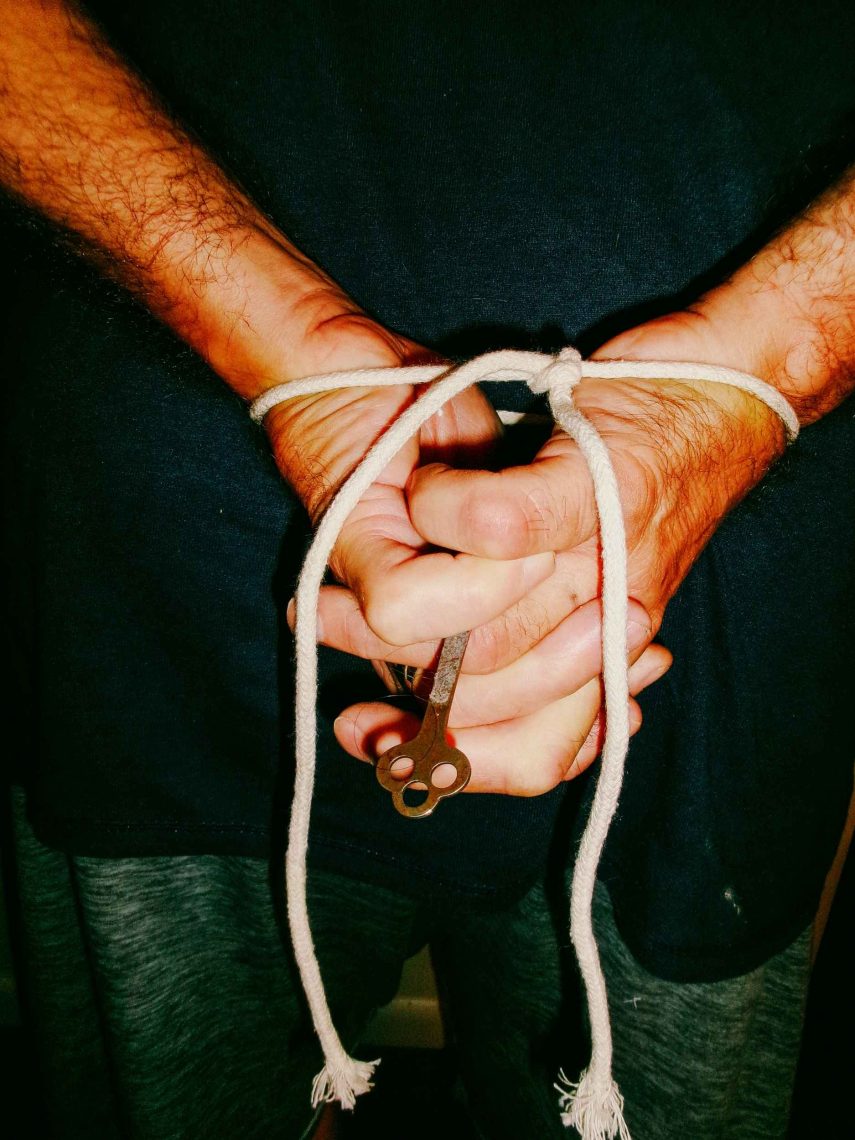 “The Key to Untying Hands” by Mojorizen
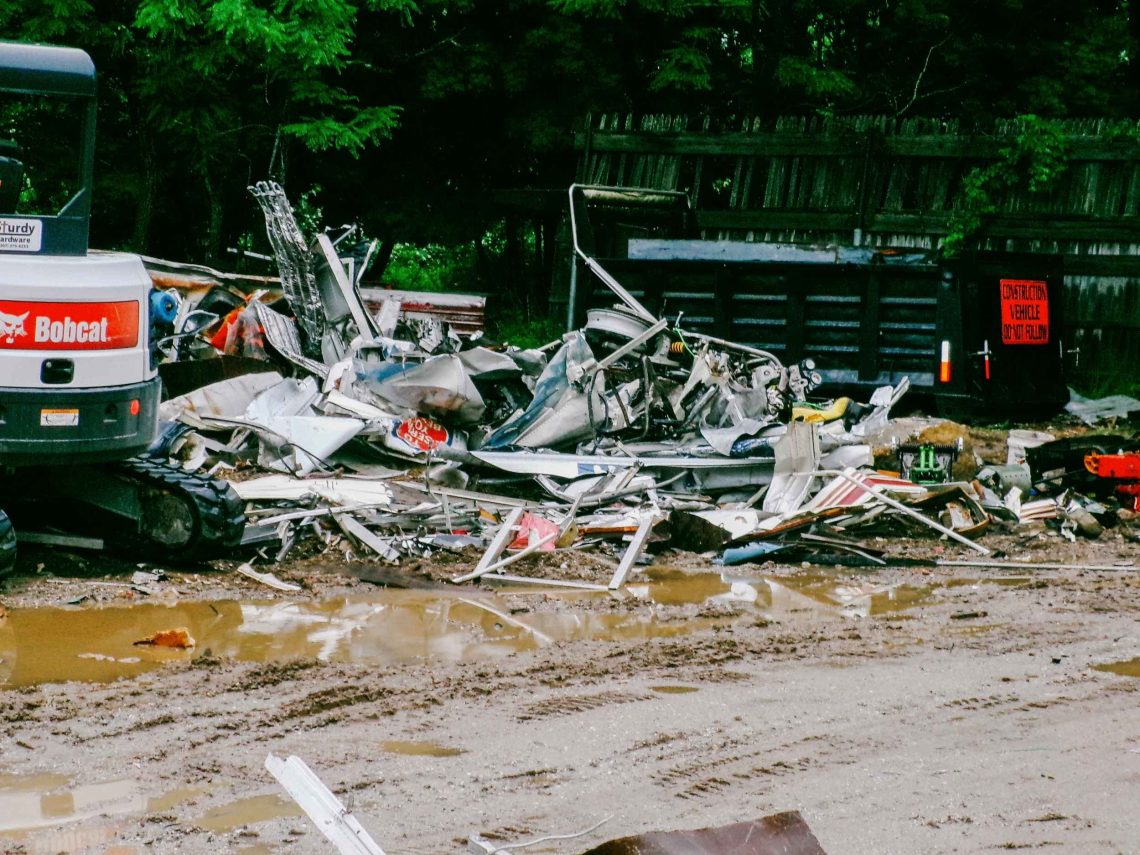 “Forgotten” by Stephanie
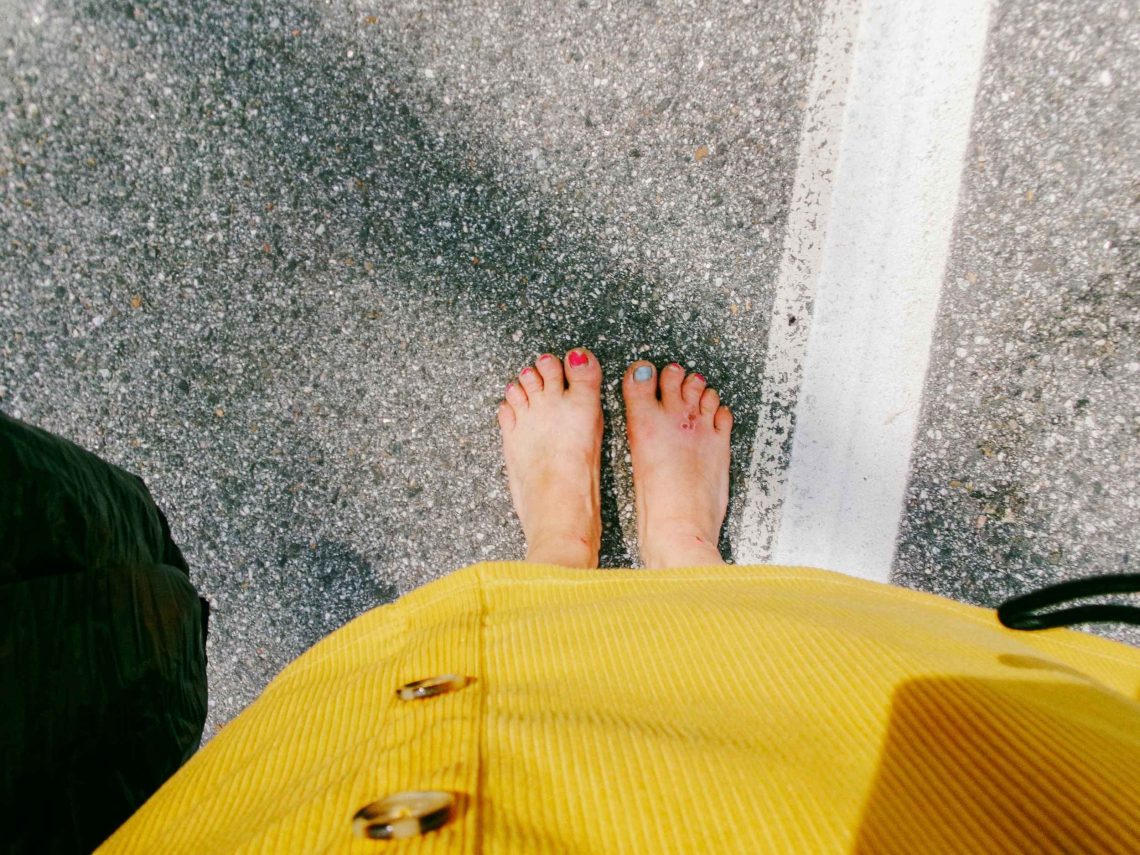 “Blisters” by Stephanie
Event Details
WHAT: Lake Region Photovoice Gallery / Screening of “Building Hope: Ending Homelessness in Maine”
WHEN: Friday, Aug. 28, at 6 p.m.
WHERE: Magic Lantern Theater, 9 Depot St. Bridgton, ME