
Class of ‘26: Lizzy Fogg on Turning Lemons into Limonata
April 20, 2026
|
by Benjamin Joseph
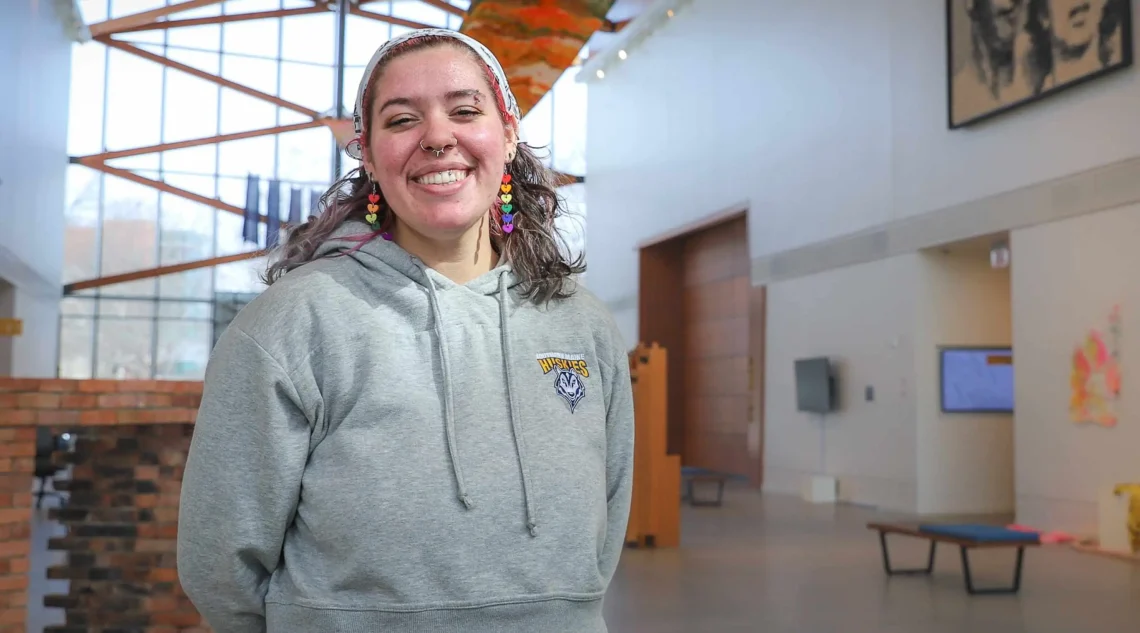
As she prepares to graduate from the University of Southern Maine, Lizzy Fogg is closing out a chapter defined by performance, international research, and the relationships that helped her grow into both an artist and a more confident version of herself.
Keep reading to explore how Lizzy’s time at USM shaped her confidence, sense of self, and willingness to take risks — both on campus and far beyond it.
Taking chances and making memories
During a study abroad trip to Italy, Lizzy Fogg found herself alone on a hiking path along the Amalfi Coast.
Her phone was dying, and with it, her directions and sense of where to go next — all during her first trip overseas.
She kept going.
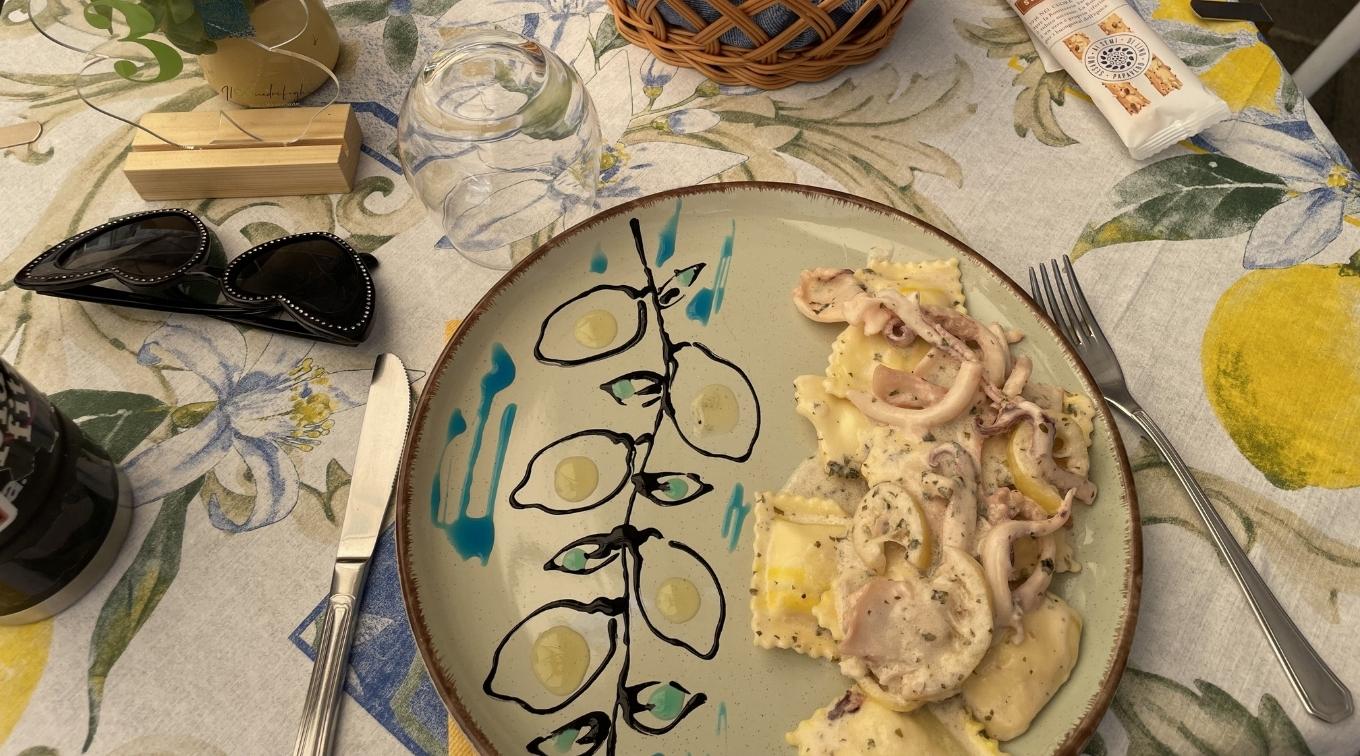
Lizzy found a small lemon farm along the path and, working through a language barrier, asked if she could charge her phone. She stayed there for a while, drinking fresh lemonade, sitting in the sun, and talking with people she had never met before. By the end of the day, she had shared a meal with a group of travelers who welcomed her in.
“It was the most fun I’ve had anywhere,” she said. “I think about that experience all the time.”
It marked a significant moment in her college experience.
“I don’t think I would have had the courage to do that if it weren’t for my time at USM,” she said. “Just being around more people, learning how to talk to people, learning how to exist outside of where I grew up. That made a huge difference.”
The home stretch — and what it took to get here
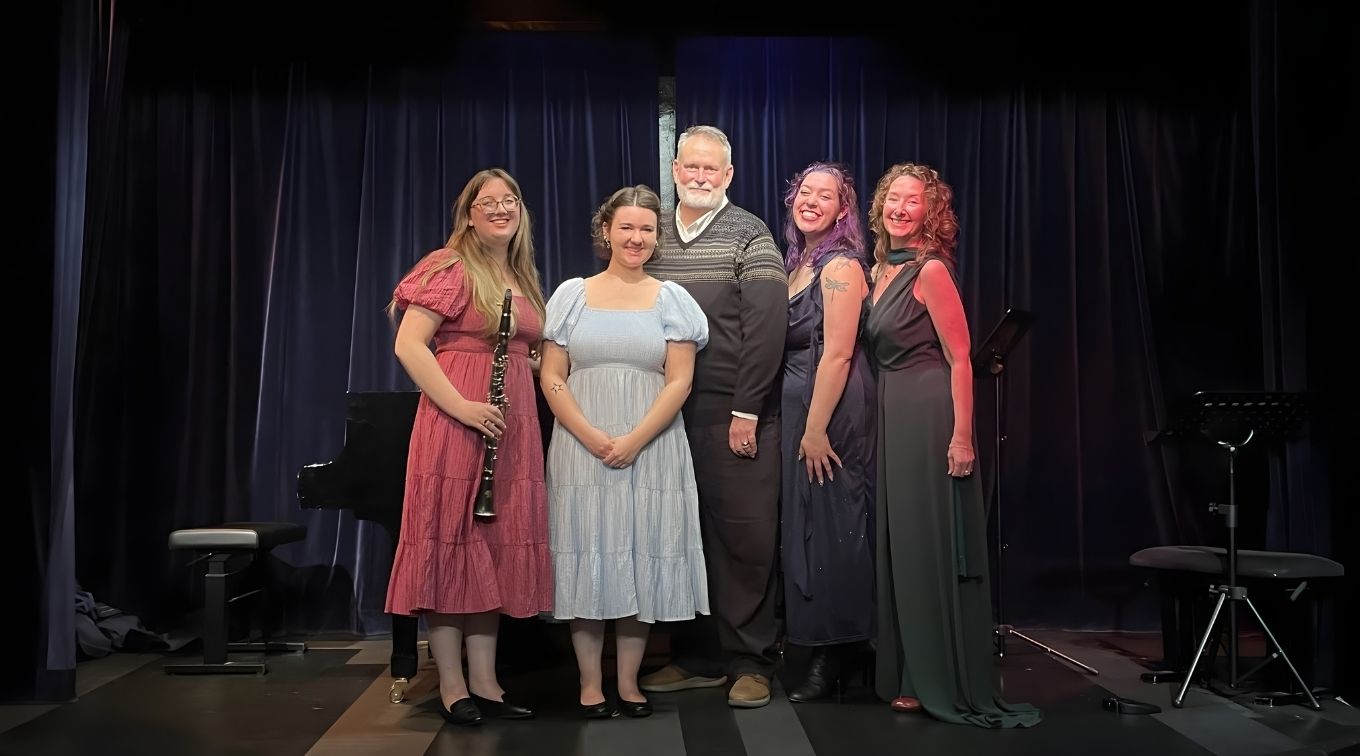
Now weeks away from graduation, Lizzy — a double major in theater and musical theater — is juggling her Thinking Matters presentation, a senior recital, and the final steps toward completing her degree.
“It’s everything that I’ve been working on for five years, and it’s all coming to a conclusion,” Lizzy said. “So I have to take this time to make sure I do it right. It’s terrifying and overwhelming, but also extremely gratifying.”
Lizzy arrived at USM from a small town in New Hampshire where life felt predictable and familiar. College was entirely different — introducing new people, new routines, and a lot of independence.
“I was a really straight edge, very, very nerdy stereotype in high school,” she said. “And then I got to college, and it was my first time being unsupervised, so it led to the usual shenanigans.”
Those early months weren’t about having a plan, but learning how to exist in a new space — figuring out what felt right and where she belonged. Being cast in productions helped anchor that experience, giving her a place to show up, contribute, and feel connected.
It also pushed her to take on new challenges, like a double major.
“I’ve always known that I’m a stubborn person,” she said. “It’s one of those qualities that can be a positive or a negative. But succeeding with both degrees just kind of proved to me that I can do hard things. I’m good at what I choose to do.”

Learning when to ask for help
Part of Lizzy’s growth came from recognizing that she couldn’t do everything on her own.
During her first year, the pressure of college life became overwhelming.
“I just broke down in my dorm room,” she said. “My RA knocked on the door, came in, sat me down, got me water, got me food, and was like, ‘Okay, here’s how you get counseling here.’ He helped me set it up right then.”
That moment showed her what support could look like, and that she didn’t have to figure it all out on her own.
“Every time I hit that point of, ‘I don’t know if I can do this,’ I’ve had at least one or two professors I could email and say, ‘Help. What do I do?’” said Lizzy.
Exploring the world — and seizing the moment
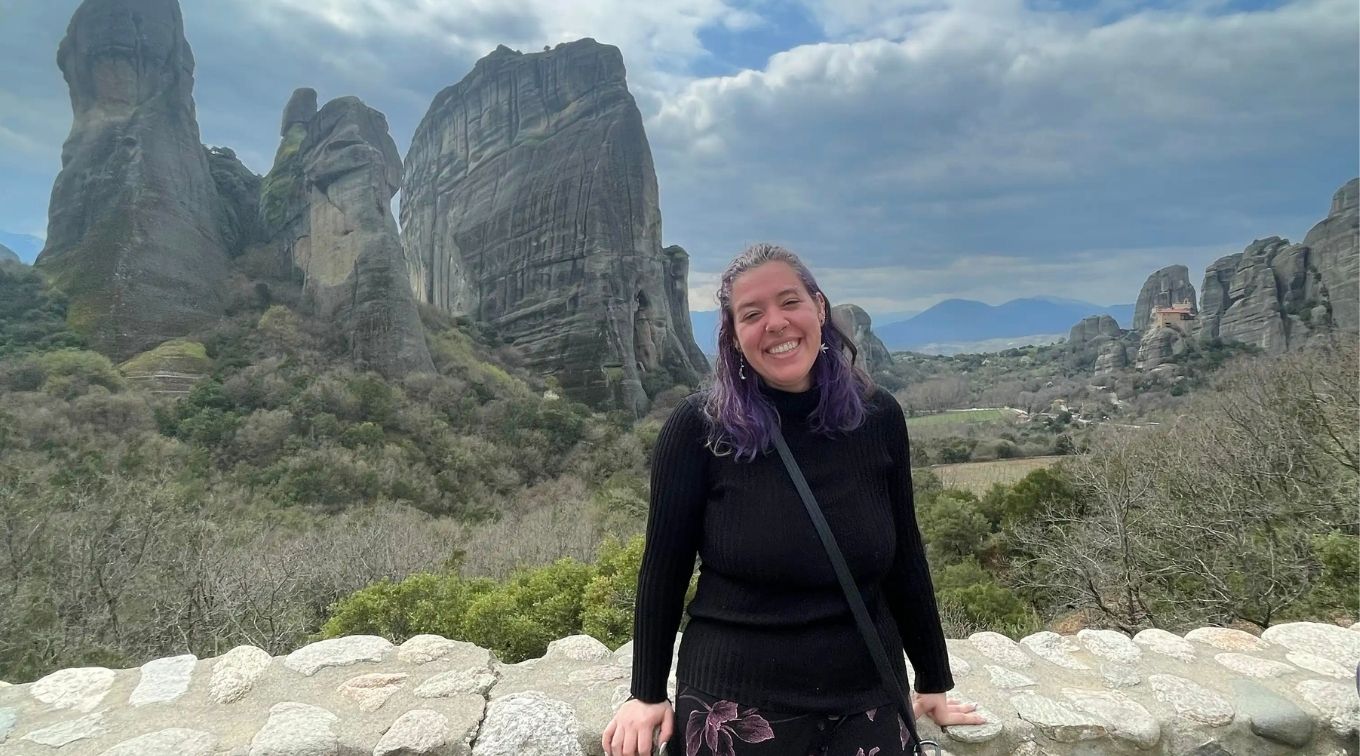
Lizzy’s willingness to step into discomfort showed up differently during a study abroad experience in Italy.
It was her first time traveling overseas and uncertainty set in quickly — navigating a new country, a new language, and a completely different pace of life felt overwhelming.
Fortunately, that moment of panic was fleeting.
Lizzy made the most of her time abroad — exploring on her own and starting conversations, even when she wasn’t fully confident speaking the language.
“I ended up going out for dinner by myself, and then I was making conversation with strangers,” she said. “And I was like, ‘Wait a minute. I can do this. I can be in a completely foreign place and still be okay.’”


Bringing her work into focus
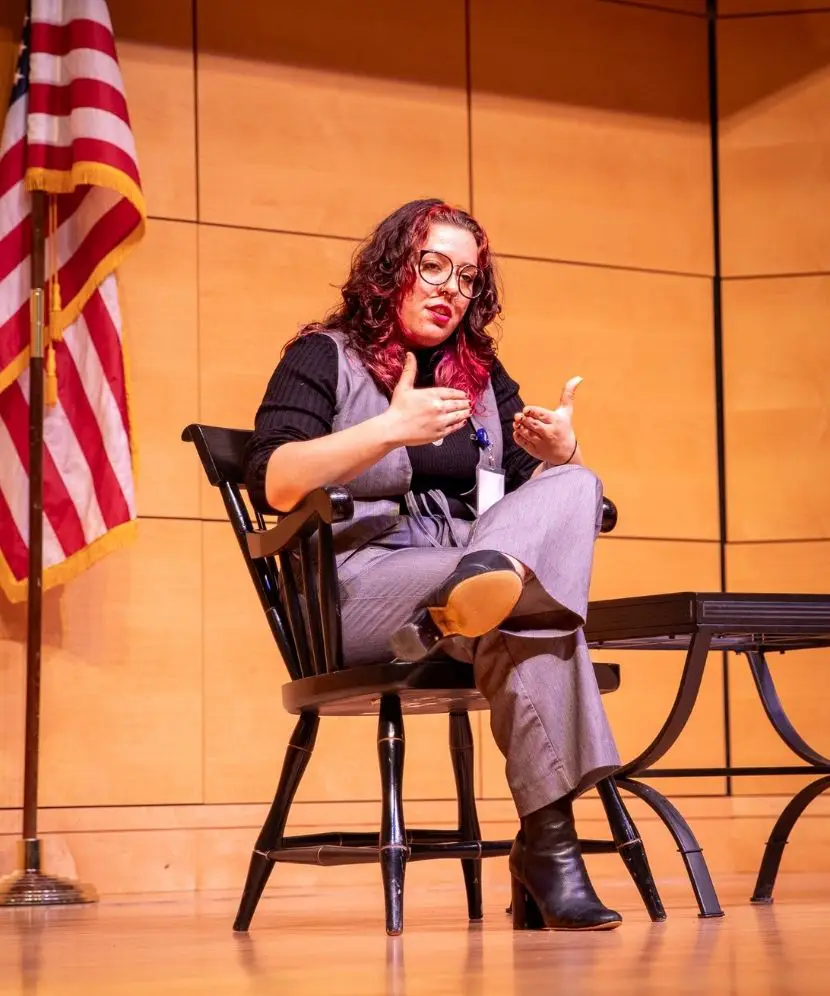
As a presenter at Thinking Matters — a day long student research symposium — Lizzy’s work reflects how her perspective has developed over time.
She opted out of a traditional research paper and instead pitched a more practical 12-week lesson plan designed to guide discussion around theater history and its connection to larger social and political ideas.
Her research extended beyond the classroom. Through additional travel experiences in Europe, Lizzy was able to engage more directly with the cultural and historical contexts that shaped her work.
“I’m hoping that theater people walk away realizing that our art matters and our perspective matters,” she said. “And for people outside of theater, I hope it shows that we need both the arts and other fields. We need both of these things to function.”

Looking ahead while holding onto what matters
With graduation approaching, Lizzy is exploring positions where she can help build opportunities for artists and create spaces for people to connect through their work.
“I’ve been thinking a lot about how to make that space more accessible,” she said. “How to bring in people who haven’t had those opportunities yet and help them get started.”
While looking ahead, she’s also holding on to what’s made her time at USM so meaningful.
“I’m going to miss the performance opportunities,” she said. “You can perform all the time here if you want to. And I’m going to miss just running into people. Being in a practice room and seeing a friend go by.”
What stands out most is the people she’s met along the way.
“I just hope that I’m making them proud,” she said. “All of the people I’ve had the honor of working with, they’re the reason I’m here.”
Advice for students just starting out
For students just starting at USM, Lizzy keeps it simple:.
“Make sure you’re doing something you love,” she said. “College is expensive. Don’t spend that money on something you don’t care about.”
She also encourages students to stay open to the unexpected.
“Take risks. Try stuff you wouldn’t think about,” she said. “Take a class just because it sounds interesting. You never know how it’s going to connect later.”