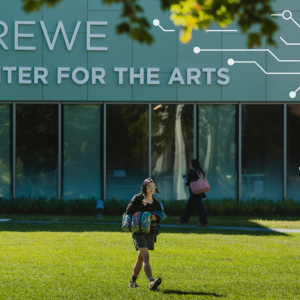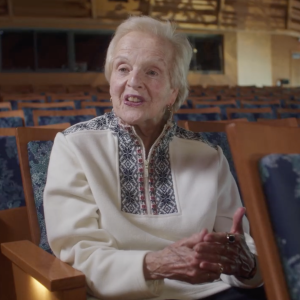
Book arts has been part of the University of Southern Maine for over a decade — but for most of that time, it existed quietly: listed in the catalog, present on the website, but without a permanent home of its own. That changed when the Crewe Center for the Arts opened, giving the Kate Cheney Chappell ’83 Center for Book Arts its first dedicated studio space on the Portland campus. We sat down with program director and Associate Professor of Art Annie Lee-Zimerle to find out what book arts actually is, who it’s for, and what sets it apart from other art forms.
Q:
Who can take book arts classes at USM?
A:
Anyone and everyone — just like a book is available for anyone. We offer classes and workshops open to all skill levels, and we see all kinds of people come through — USM students, community members, people who come from well outside Portland just to be here. We have a lot of nontraditional students too — someone who might be a retired nurse who finally has time to pursue what they’ve always been passionate about. We also have students who aren’t in the arts at all but want to be introduced to creative thinking without feeling like they’re competing with fine artists. Book arts is a good entry point for that. The barrier feels lower, less intimidating.
And even within the art world, book arts welcomes people who might not think of themselves as traditional artists. If you’re not strong at drawing but you’re a phenomenal photographer, you can tell a story in book form. Any visual language you can bring to the page is considered book arts.
Q:
What does a typical class look like?
A:
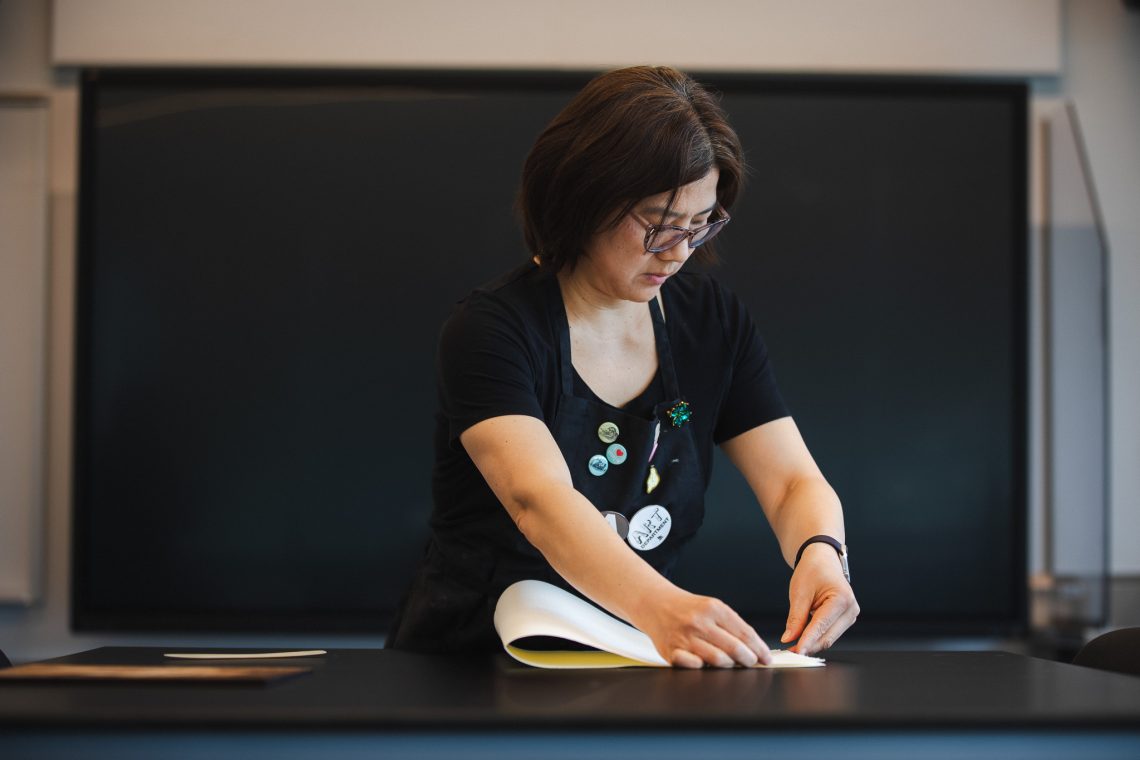
It all depends on the class — and that’s part of what makes it interesting. If you were to walk in on an active classroom day, you might see students learning how to bind books, actively printing an image, or critiquing each other’s work. There are a lot of different aspects to a studio classroom, and you may not see the same thing from one day to the next.
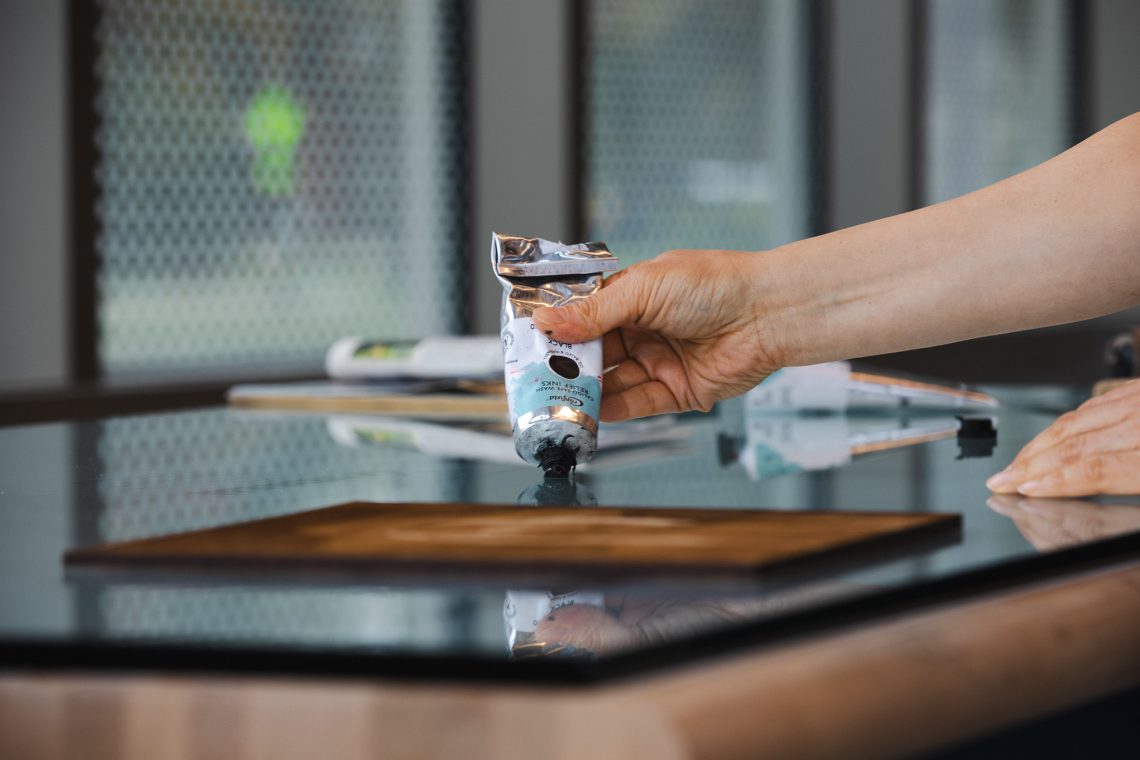
What’s also unique about book arts is that we don’t just work with ready-made materials. Why purchase already-made paper when you can understand how to make it yourself? When you are beating and mixing the pulp, physically molding it into a frame, drying it, and then making an image on top of that handmade paper — you have that much more engagement, that relationship with the book you’re creating. The love of making develops not just for the end product but for the process.
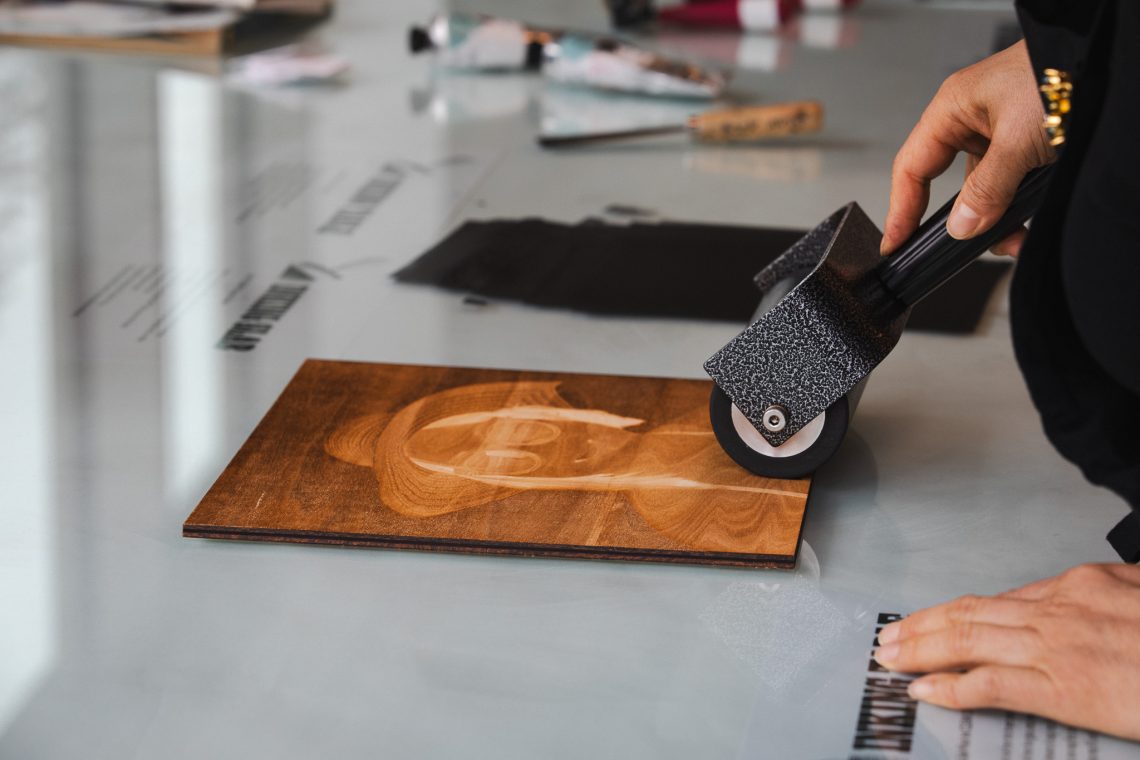
A recent collaboration with Mechanics Hall shows just how wide that range can be. They had a collection of aging books that were falling apart and reached out to ask if we could give them a new life. Students took those books and altered them — some worked directly from the original text, responding to a chapter title or a passage. Others stripped everything out and created something entirely their own, leaving just the spine. When they were done, we had a mini pop-up exhibition at Mechanics Hall for their fundraising event. Every piece was different, from artist to artist — and that’s very much the spirit of book arts.
Q:
What makes book arts different from other art forms?
A:
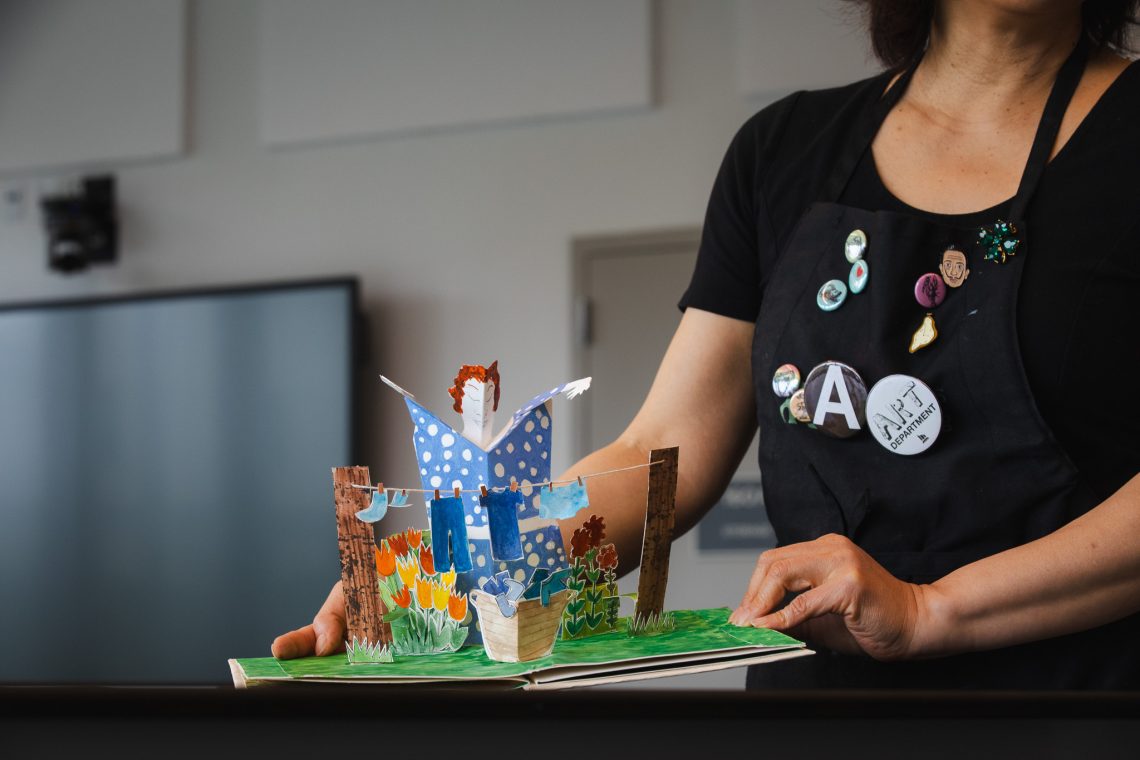
With most art forms, you look at the work as an audience — there’s a little glass in front of it at the museum, a kind of distance between you and the work. With book arts, there’s much more intimacy. The work actually invites you to come and turn the page, touch the book, feel the texture, really engage with the story. That intimacy between the work and the audience was what got me.
And it goes beyond just looking. In book arts, you’re not just creating images — you’re also critically thinking about your storytelling. There’s a creative writing element, an imaginative element. You’re thinking about how your audience will respond, page by page, as they’re touching it. The concept of texture and material — how we feel as we touch — means we’re not just visually activating, we’re activating different senses entirely.
People think of art as creativity and books as something you study. Book arts removes that distinction. It asks you to do both at once.
Q:
What surprises people most about book arts?
A:
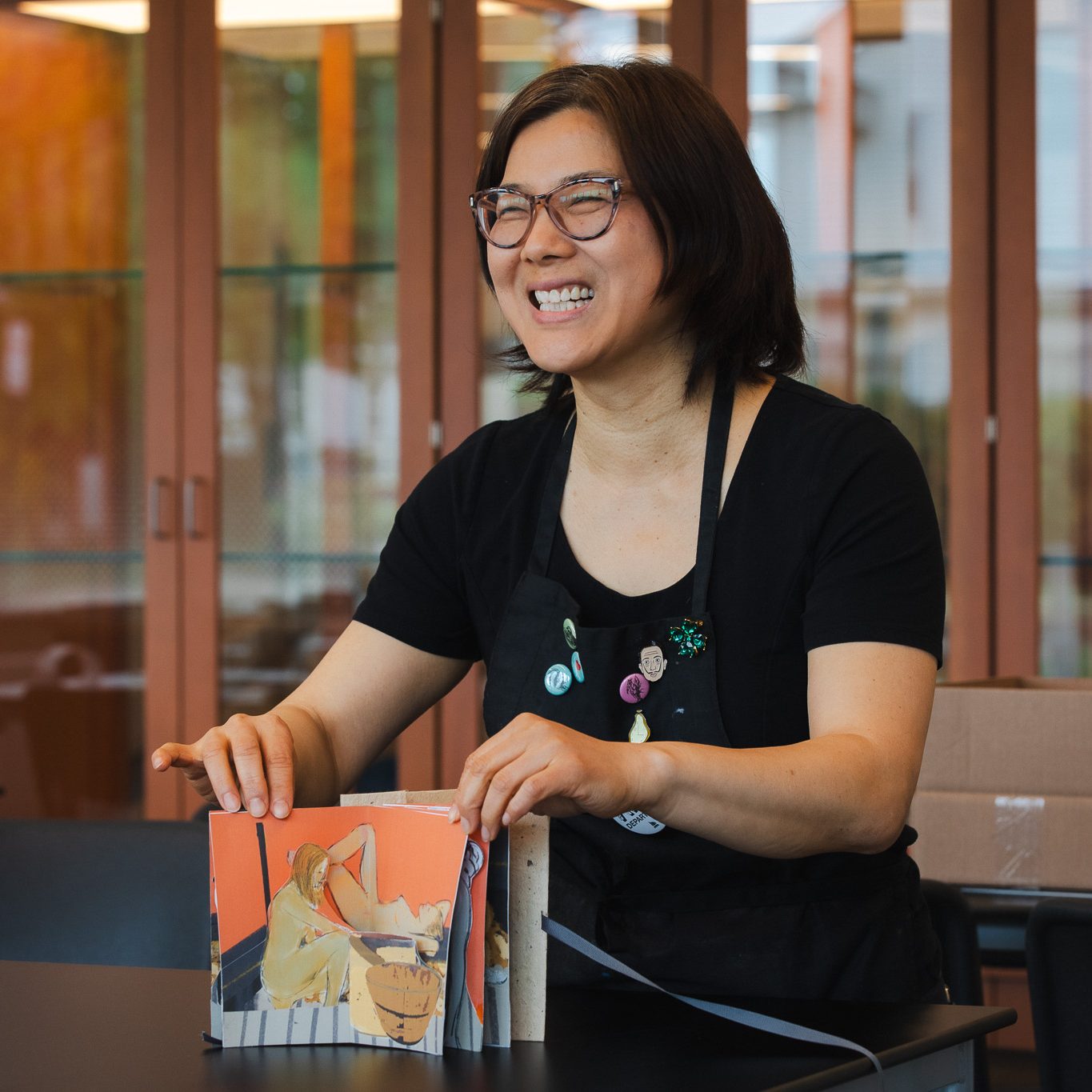
Usually it’s the range. People come in expecting one thing and discover that book arts can go in almost any direction. One day you might be painting, one day printing, one day drawing — it’s a very different approach every time. And the books themselves can be anything: we have miniature books at two and a half inches tall, and others that are large and sculptural. Whatever the artist feels excited about, they can approach it that way.
But I think the biggest surprise is simply walking out at the end with something you made. In a lot of art classes, you’re building toward a skill or a technique. In book arts, you’re building toward an object — a finished book that you conceptualized, made the paper for, printed, and bound yourself. That’s something people don’t expect, and it’s something they tend to hold onto.