
Tell someone you’re majoring in political science and watch their face. You can almost see the next question forming. “So you want to be a politician?”
Maybe. But that’s only one of many possibilities.
A political science degree isn’t training for one job. It’s training for a way of thinking — how laws get made, how power moves, how a decision in one office can ripple out into a whole community. You learn to dig into messy problems, sort good arguments from bad ones, and explain what you found so a normal person actually gets it.
Those skills can take you in a lot of different directions — way more than just the state house.
1.
Government and public administration
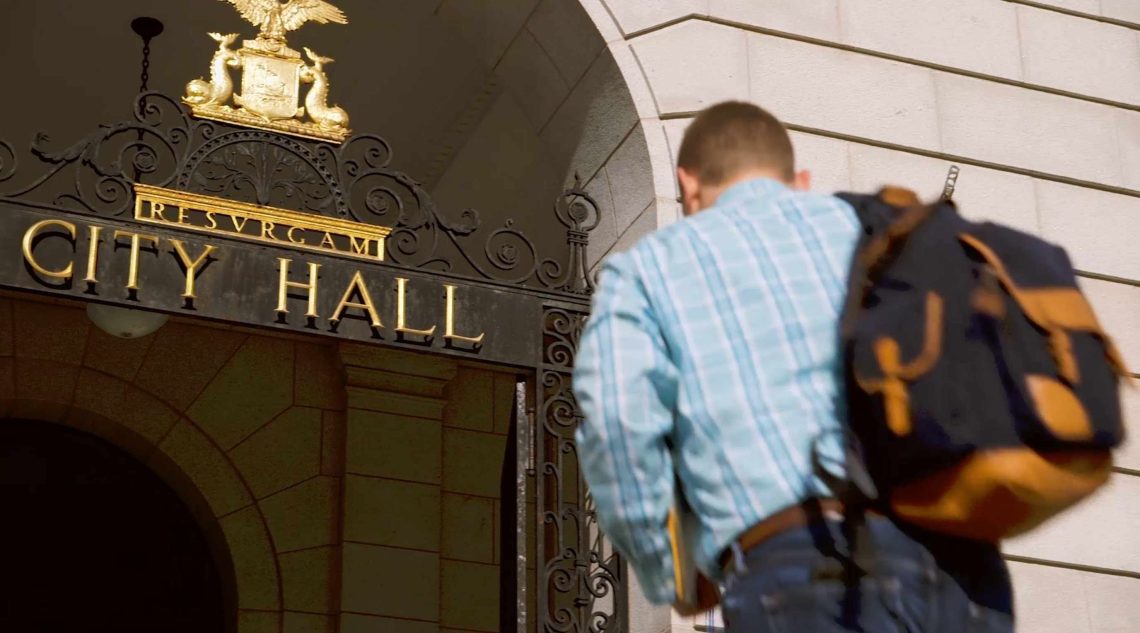
Cities and towns run on people who understand how the machinery of government actually works, and a lot of them started right where you’re standing.
Take a city administrator. They keep the daily operations of local government moving, juggling departments and budgets so the trash gets picked up and permits get processed. Some graduates with a political science degree also become town managers, city planners, or budget specialists. And yes, some do run for office, writing and voting on laws.
This kind of work rewards people who understand how public institutions fit together. USM’s political science program walks you through American government, local systems, and public administration, so you’re prepared to step right into your first job.
2.
Policy and research
Behind every big political decision is someone who did the homework.
That someone might be you. Policy analysts and research assistants dig into proposals, study voting patterns, and make sense of polling data. They figure out how a decision might affect a community, industry, or government program, and then share that information with the people who need it. You’ll find them at research organizations, policy institutes, consulting firms, and government offices.
The job comes down to analysis, a skill at the heart of a political science education. USM coursework pushes you to sit with a hard question, turn it over from different angles, weigh the evidence, and decide what the facts support.
3.
Nonprofits and advocacy
Not every political career happens inside a government building.
Plenty of graduates work right alongside the communities they care about, through nonprofits, advocacy groups, and grassroots campaigns. Community organizers pull people together around a shared goal. That could mean running a neighborhood meeting, pushing for a policy change, or just helping folks understand how a government decision is about to hit their block.
Some focus on housing. Others on education, local services, or getting more people to vote. What ties it together is knowing where the levers of change sit and how a community can actually reach them. If you’d rather work for change from outside city hall, this is your lane.
4.
Communications and public affairs
Understanding a policy is one skill. Explaining it clearly to the people it affects? That’s a whole different one. Political science prepares you to do both.
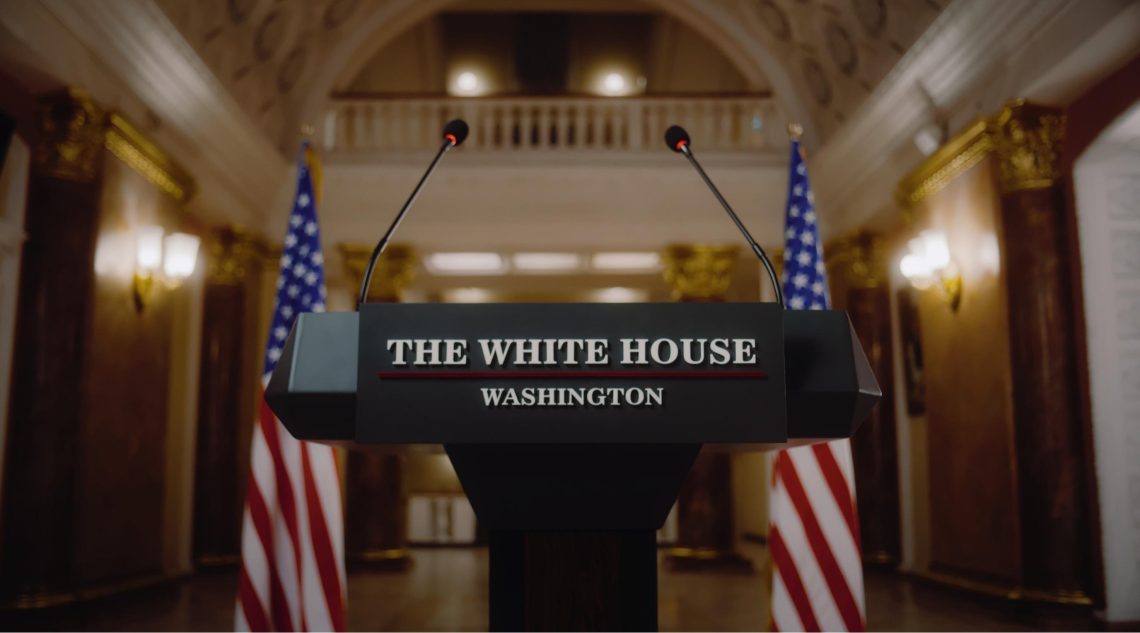
This is the world of communications directors, public information officers, and press secretaries. They speak for government agencies, campaigns, and organizations — turning dense, complicated information into messages the public can follow. Picture a White House press secretary at the podium, fielding rapid-fire questions and explaining the president’s position on the fly. That’s the job at its highest volume.
It all comes back to research and translation. A political science degree teaches you to untangle complicated subjects and present them clearly. That’s the muscle this work runs on.

5.
Law enforcement and national security
Federal agents and intelligence analysts spend their careers sorting through information, spotting patterns, and figuring out what matters. That’s the kind of analytical thinking political science students practice every day. Agents with the Federal Bureau of Investigation (FBI) work complex cases — everything from financial crimes and cybersecurity threats to national security, often piecing together evidence with other agencies.
Analysts at the Central Intelligence Agency (CIA) track political shifts around the globe and read what they might mean for the United States. One week that could be a foreign election. The next it’s a change in leadership, or a shift in the global economy.
What sets this work apart is the ability to connect dots across systems — to see an election, a new leader, and an economic trend as pieces of one picture. At USM, you can study comparative politics and international relations, which is training for exactly that kind of thinking.
Where can political science take you?
Honestly? Further than you’d probably guess.
At the University of Southern Maine, you’ll dig into how political systems work while building the research, writing, and analytical skills that travel almost anywhere. Coursework, internships, and real community engagement all connect what you read in class to what’s happening out in the world. You can mold the major to fit you, too, choosing the Political Science or International Studies track. The Political Science track opens an accelerated route toward a graduate degree.
Curious how governments run, or how ordinary people push them to change? This is a good place to start asking.