

Four Lessons From 4 LEC Championships
March 23, 2026
|
by Bridgette Toland
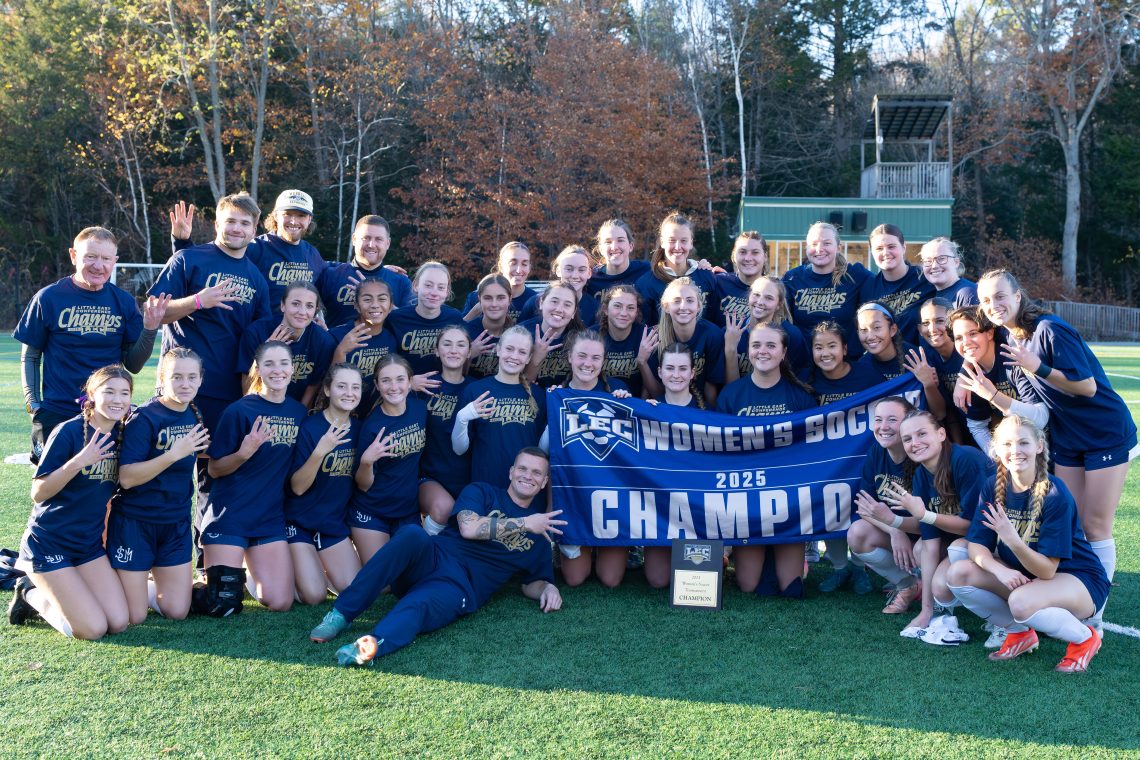
As my senior year at the University of Southern Maine wraps up, I’m reflecting on one of the most meaningful parts of my college experience: four straight Little East Conference (LEC) championships with our women’s soccer team — something that had never been done in program history.
Being part of a team that won four conference championships is something I’ll always be proud of, but what matters most to me is the legacy we’re leaving behind. Four championships didn’t happen because of one player or one moment, they happened because of a culture built on trust, selflessness, and showing up for one another every single day. USM taught me that you don’t have to be the best player on the field to make a lasting impact on a team. Impact can look like leadership, energy, encouragement, and making others feel valued.
Four titles. Four NCAA tournament appearances. Countless memories. From the outside, it looked like dominance. On the inside, it was growth, adversity, and a whole lot of heart. Here are four lessons I learned from four Little East Conference championships.
1.
Culture wins before talent does
Our first LEC title wasn’t about star players or stat sheets. It was about belief. We weren’t chasing history yet — we were just trying to prove we belonged at the top of the conference. As a freshman I was very new to college soccer, a lot was different and even more so challenging. It was my very first time playing at the collegiate level and with a completely new set of girls. I had no idea what to expect.
Coming from high school, I was used to being one of the top players. College soccer quickly humbled me. I realized, everyone on the field had also been the best player somewhere else.
Practices were intense, competitive, and sometimes messy. But there was a standard: everyone mattered. Every role had value. Adjusting to people and finding chemistry on the field was a bit overwhelming at first. However as the season progressed we all developed deep bonds and became close with one another. Because of this even though playing time was slim for us freshman we were proud to cheer on our team and vice versa. Our friendships and developed respect for one another made our environment very positive and energetic.
The first championship taught me that talent might win games, but culture wins seasons.
2.
Your role is bigger than your stats
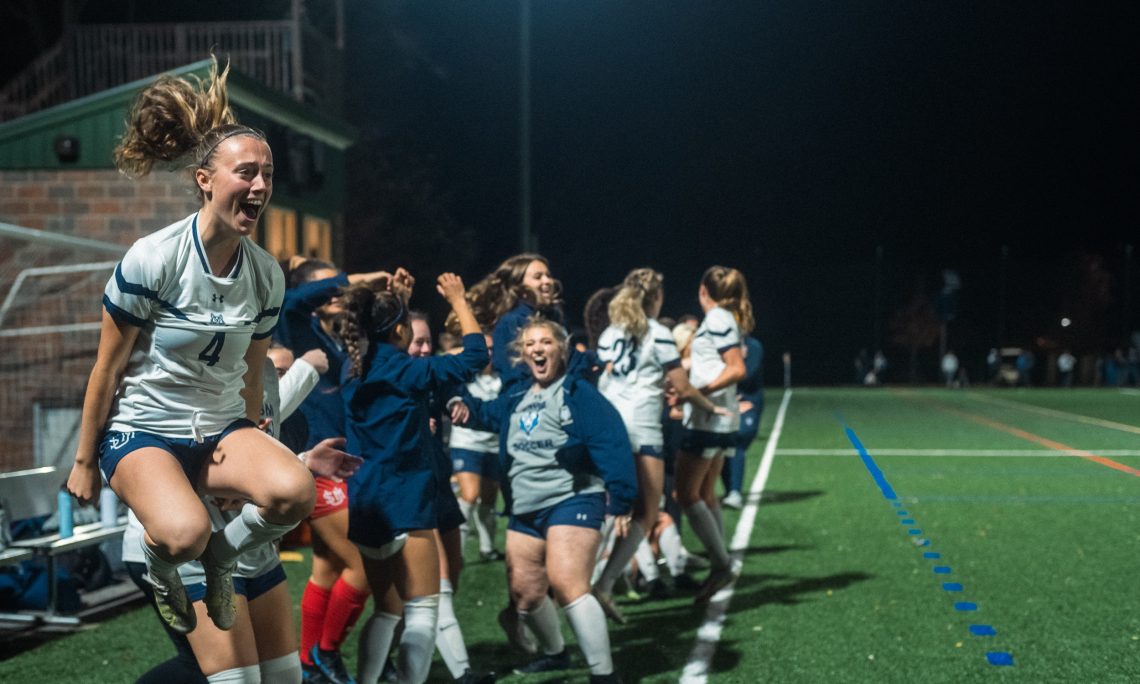
Our second title came with higher expectations. We weren’t the hunters anymore, we were the hunted. We were receiving a lot of attention and recognition from not only our school but all the others within our conference. We were the talk of the town and the biggest conversation they circulated was the possibility of us securing victory again.
Personally, this season was when I struggled the most. I dealt with unexpected injuries and the mental challenge of adjusting to a role that wasn’t always reflected in the box score. It was difficult to work so hard for something, basically my whole life, and barely feel like I was contributing to the team. The minutes I did play felt pressured to outperform not only myself but others. Failure became familiar and disappointment in myself weighed heavily on me.
Minutes fluctuated and stats didn’t define me the way they once had. It forced me to rethink what “value” really meant. I found it in the small moments — pressing when I was exhausted, encouraging a teammate who was stepping into a big moment, and staying ready even if my name wasn’t called first.
That second championship taught me that impact isn’t always measurable, but it’s always meaningful.
3.
Leadership is earned in the little moments
By our third LEC title, we understood what it took to win. But sustaining success proved harder than building it. New freshmen joined the team, roles shifted, and pressure mounted. It felt as if all eyes were on us and that people were waiting for us to fail.
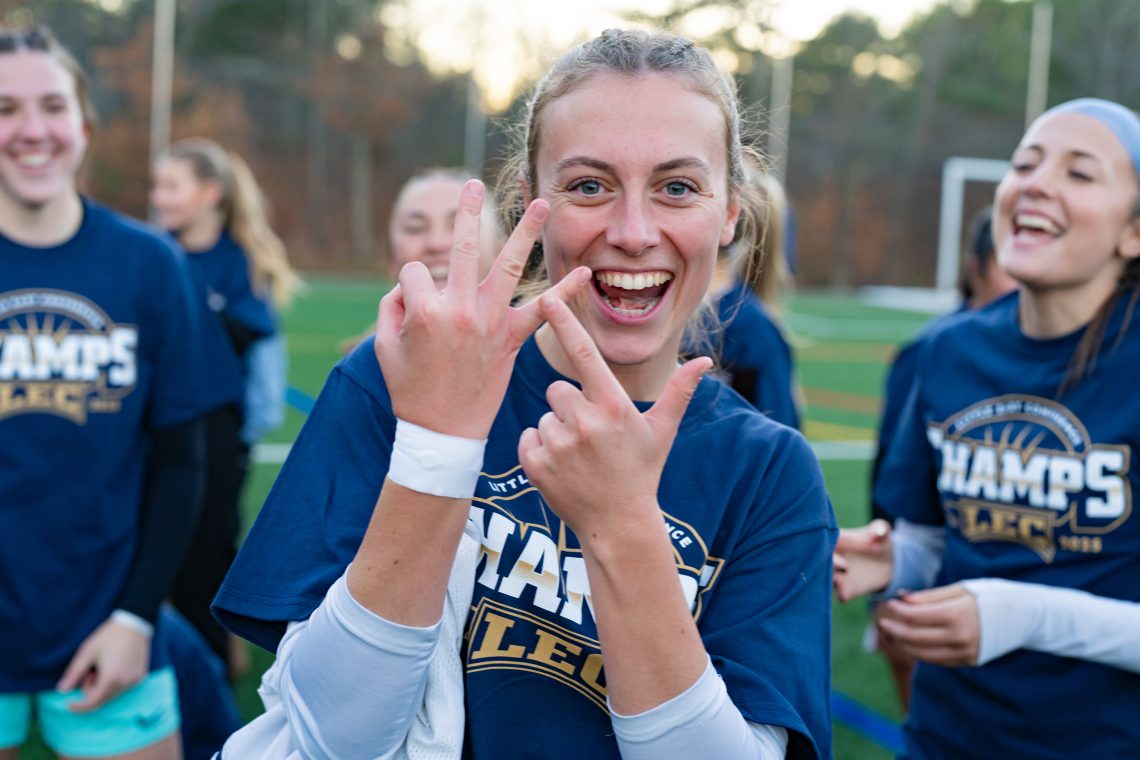
I think everyone was feeling the effects of the pressure and responsibility of our success. At times it did a disservice to our play, practice, or mindset. This is where our leadership became extremely important and critical to our success and to prevent burnout.
Leadership wasn’t about speeches in the locker room. It was about consistency. It was about how we responded after a tough half. It was about making sure every teammate felt valued, whether they were in the starting lineup or supporting from the sideline. Our chemistry and attitude towards each other became pivotal during this point of our success. It was about nurturing our beliefs, supporting one another, and having each other’s backs no matter the outcome.
The third championship reinforced that leadership is service.
4.
Legacy is about people, not trophies
Winning a fourth straight Little East Conference championship was surreal. We had officially built something historic in Southern Maine. But when I look back, I don’t immediately think about the success.
I think about rebuilding our chemistry after graduating teammates moved on, about the way we picked ourselves up after losses, and about learning to trust and support one another. I think about the long film sessions — and the several snacks we worked through during them — the bus rides filled with laughter and games, and the underclassmen who grew into confident leaders along the way.
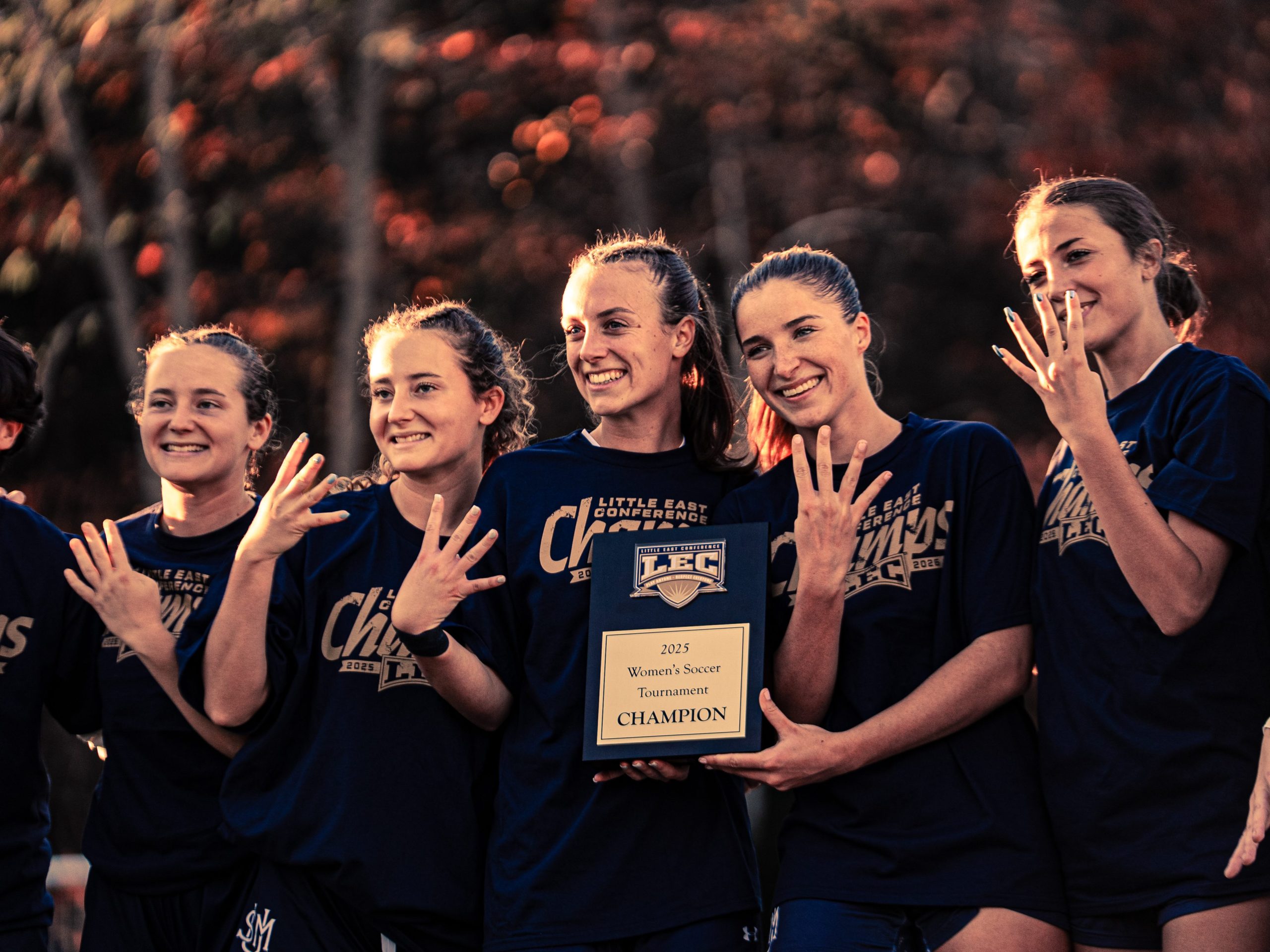
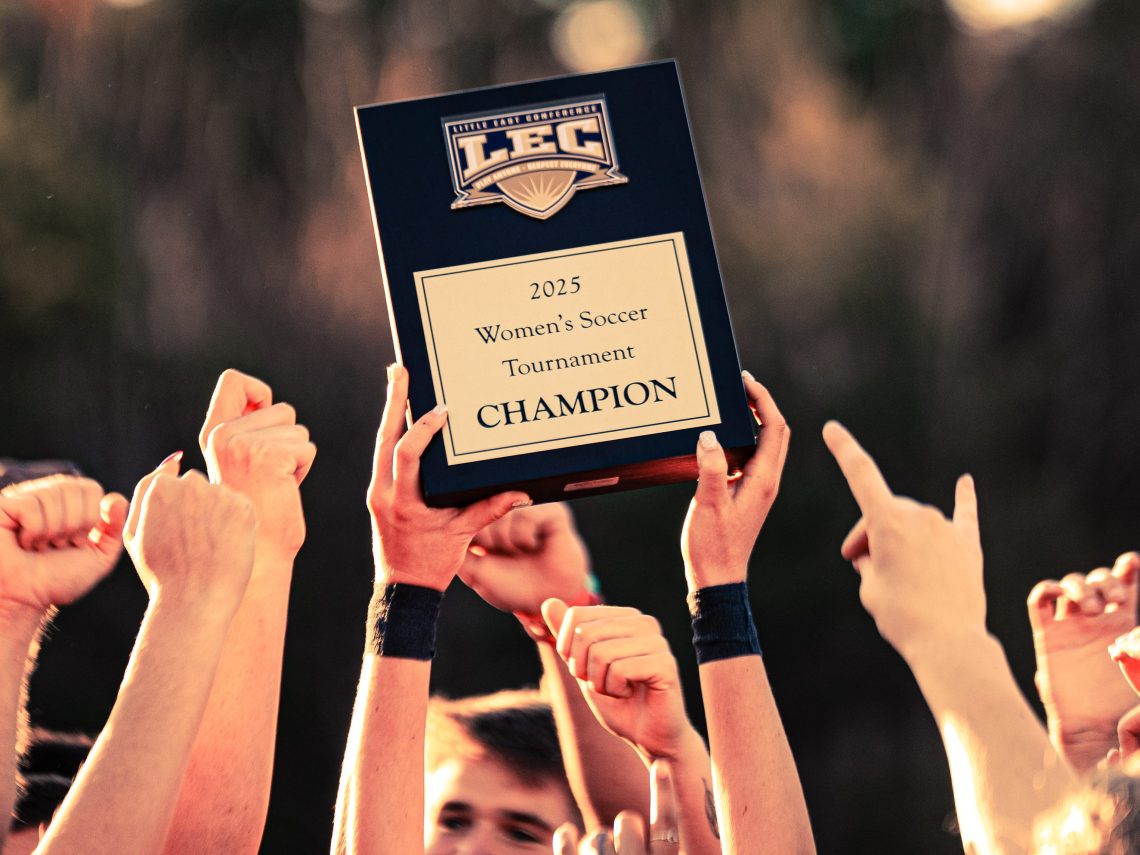
I didn’t collect any individual awards, but being named captain meant far more to me. I didn’t always score the game-winners, but I learned how to be a selfless teammate, how to lead with empathy, and how to put the team above my own expectations. If there’s one thing I hope to leave behind, it’s proof that success isn’t only measured in stats, it’s measured in the people you lift along the way.
Four championships taught me that greatness isn’t about personal recognition, but collective success. And wearing Southern Maine across my chest while doing it? That’s something I’ll always be proud of.