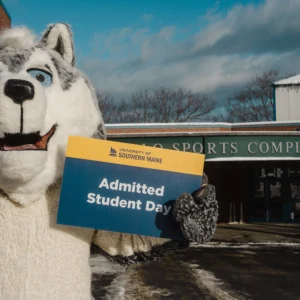

Coming back to college as an adult usually means handling more than just classes. Many adult students at the University of Southern Maine also work full-time, care for families, and manage other commitments while studying.
Adult students balancing multiple responsibilities often have limited time and capacity to learn about available campus resources, even though accessing these supports is critical to their college success. Keep reading for five resources that adult students tell us they wish they had known about earlier.
1.
Adult Student Success Program
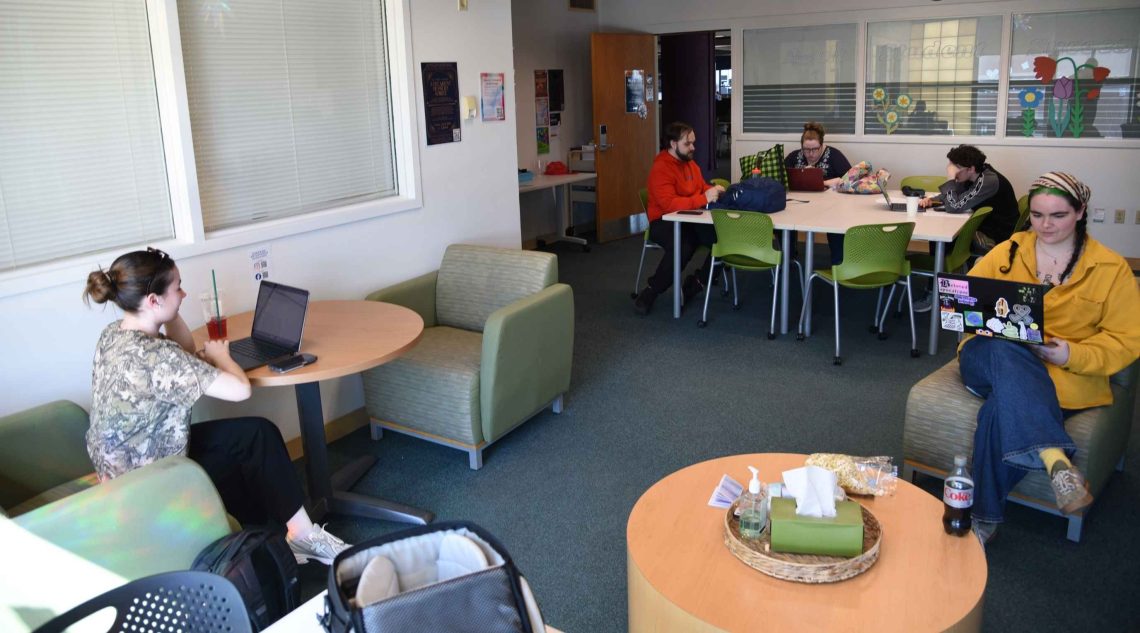
For many adult learners, the toughest part of college is not the classes, but everything else that comes with it. The Adult Student Success Program assists undergraduate students age 24 and older in overcoming school and life challenges that may stand in the way of their academic success.
The program offers one-on-one support to connect students to campus resources, offers programs and events that allow adult learners to meet peers, and provides a robust student center and lounge. For those who feel out of place or overwhelmed at first, this program can help them feel more comfortable and supported.
Many adult students turn to this program first when they want to talk to someone who understands what it’s like to return to school later in life.
2.
Adult Learner Coaches
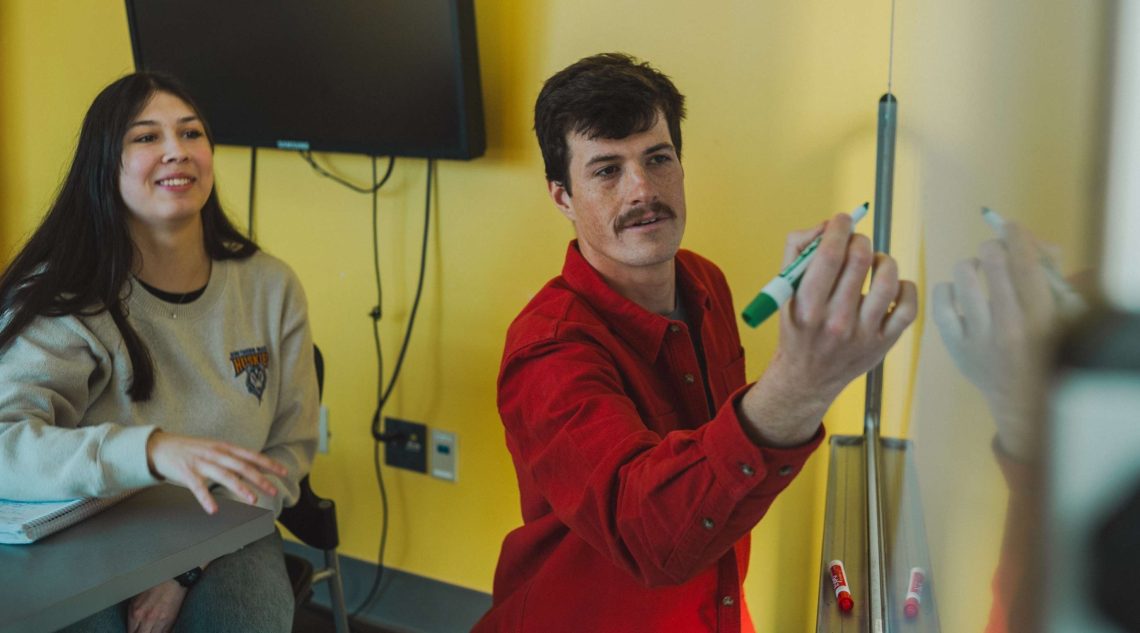
Adult Learner Coaches are adult students themselves, who can provide a meaningful difference. They understand the competing demands of work, family, and school because they are navigating those same realities.
These coaches help with academic skill building, like effective study habits, exam prep, time management, motivation, and finding balance. They often discuss how to plan your week, set priorities, and adjust when things don’t go as expected.
For many students, talking to a peer makes it easier to ask for help.

3.
Technology Coaches
For students coming back to college after some time away, technology can feel like a hurdle before classes even start. Technology Coaches are trained peers who help students get comfortable using the tools they’ll need in their courses.
They can help with platforms like Brightspace, Zoom, Microsoft Office, Google apps, and other software used at USM. If you need assistance with submitting an assignment, accessing an online course, or resolving a tech issue, support is available.
4.
The Writing Center
The Writing Center helps students at every stage of the writing process. This includes brainstorming, outlining, reviewing drafts, and answering questions about grammar or sentence structure.
If you feel out of practice with academic writing, this resource can be especially helpful. The Writing Center is not just for fixing papers — it’s about helping you build certainty and clarity in your own work.
They also offer help with writing-related technology, which is useful if your assignments use tools or formats you haven’t seen before.
5.
Course Reserves through USM Libraries
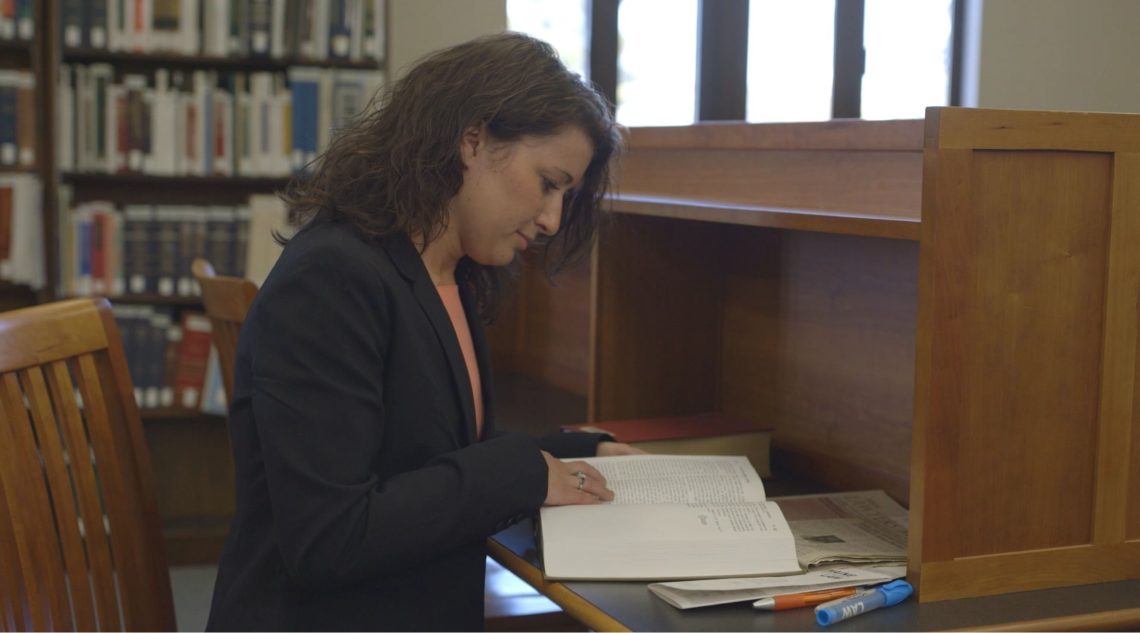
Textbooks can get expensive fast. Many students are surprised to find out that USM Libraries offer both electronic and physical course reserves.
These materials can include mandatory textbooks or readings that instructors make available for short-term use. For adult students managing tuition, living costs, and family expenses, course reserves can help relieve financial pressure.
Checking course reserves early in the semester can help you plan ahead and avoid extra costs.