

This week, a delegation of students, faculty, and staff from the University of Southern Maine is in Reykjavik, Iceland, for the Arctic Circle Assembly (ACA) — the world’s largest international gathering on Arctic issues. Coordinated by USM’s Maine North Atlantic Institute (MNAI), this year’s trip marks the university’s 11th time at the assembly.
Held every October, the ACA draws thousands of participants from around the world. USM has attended the assembly since 2015, presenting alongside government leaders, researchers, Indigenous communities, and fellow students. Those years of participation have built lasting relationships with universities across the North Atlantic.
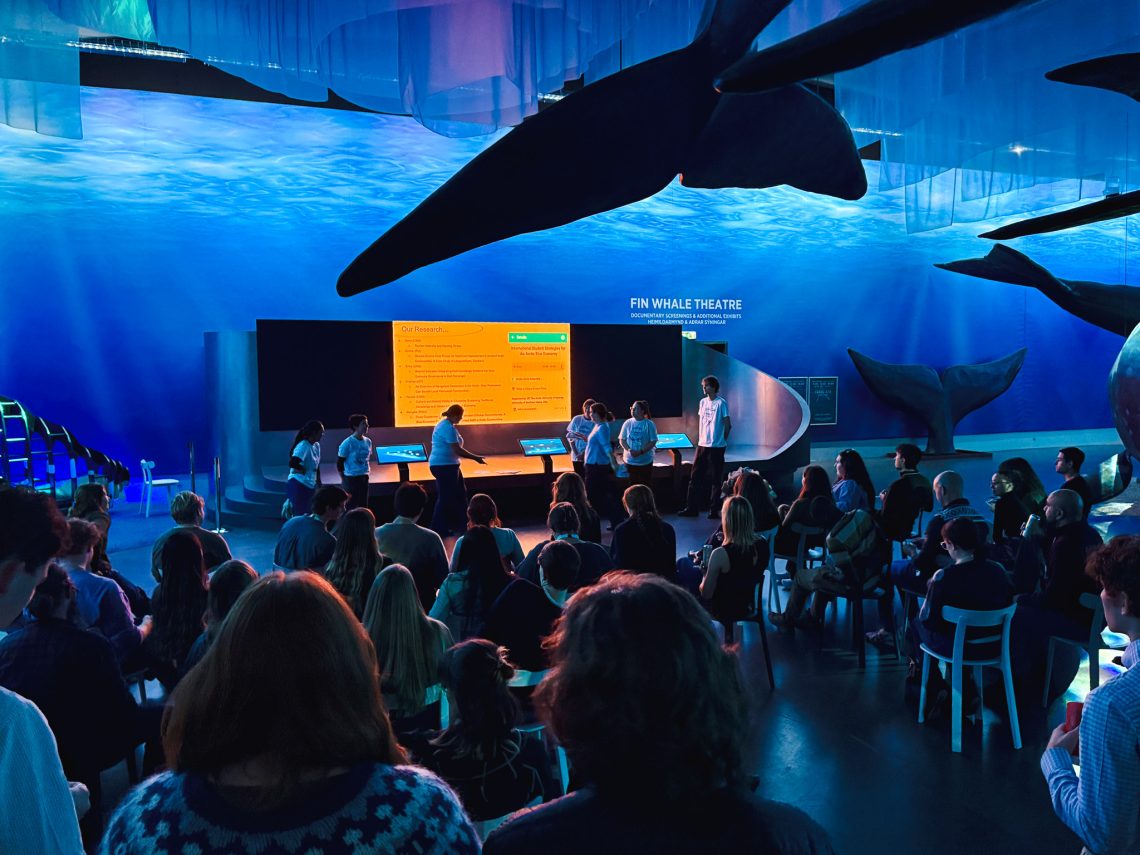
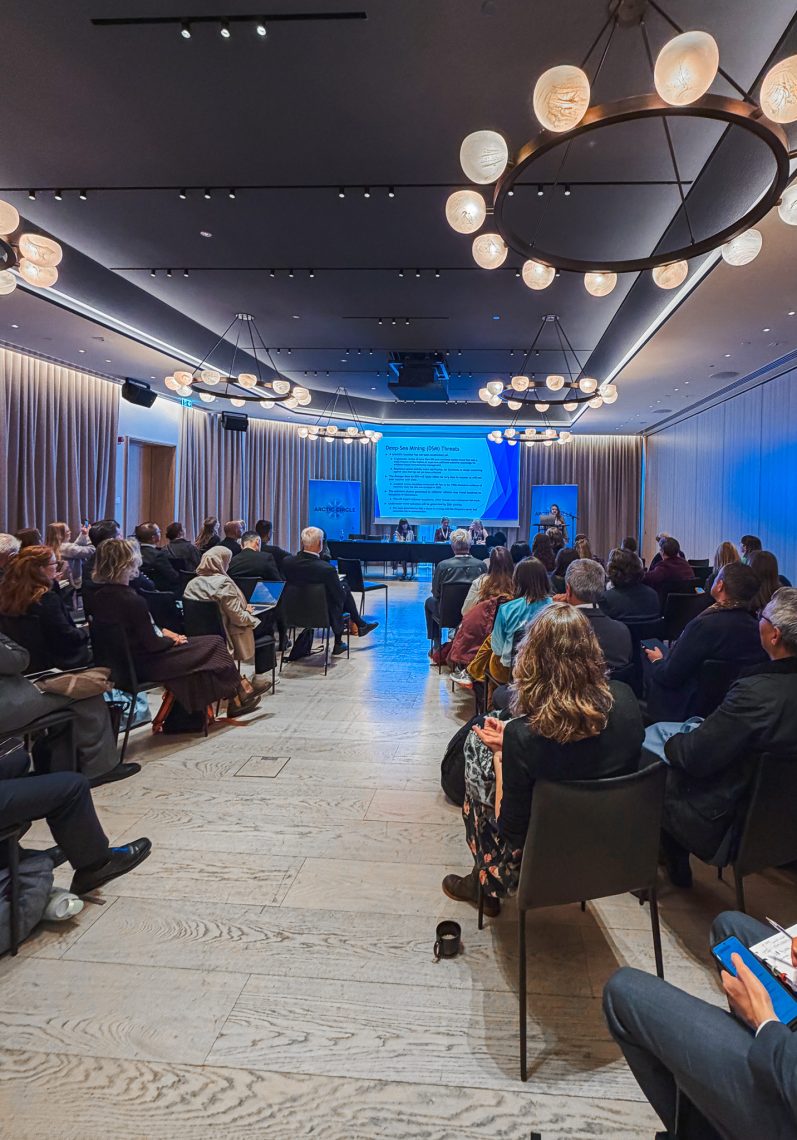
On Friday, Oct. 9, graduate students Anna Schaeffer and Rachel Straw will join four peer members of the International Graduate Student Research Cohort (IGSRC) and Firooza Pavri, the dean of USM’s Muskie School of Public Service, for a panel on the Arctic blue economy. Schaeffer’s research examines how tourism, particularly short-term rentals, affects housing costs, while Straw’s focuses on sustaining traditional knowledge and values in education.
“I am hoping to motivate attendees to get more involved in their local communities and contribute to school lessons involving their field of study,” Straw said.
The cohort, which includes graduate students from five universities in Canada, Iceland, Norway, Scotland, and the United States, offers participants the chance to conduct cross-disciplinary research and present it on an international stage.
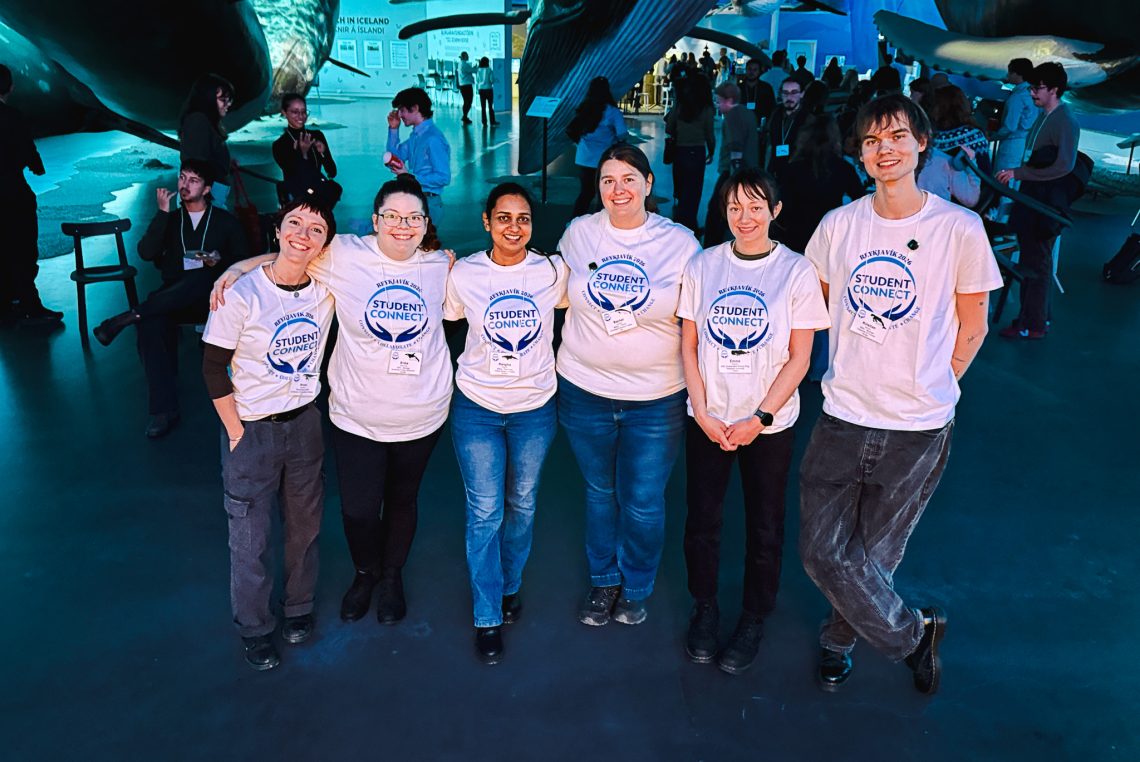
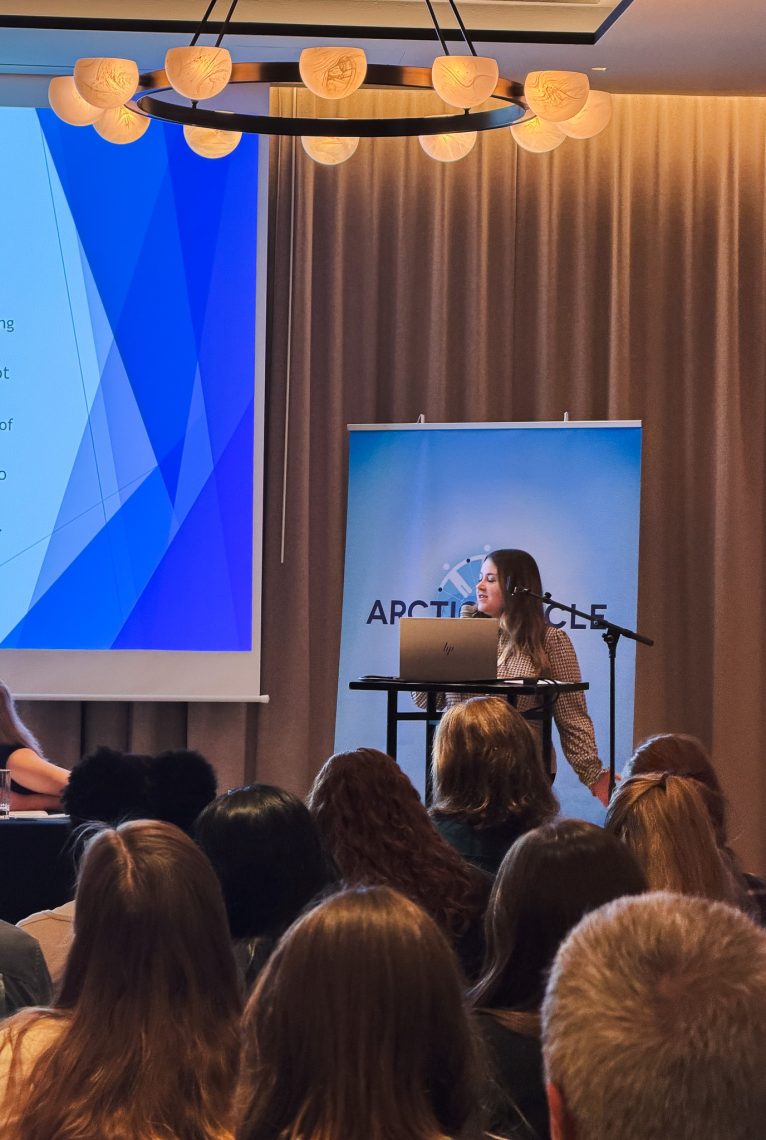
“I’m really looking forward to seeing everyone else’s presentations and getting to meet people at the ACA,” Schaeffer said.
Beyond the panel, the cohort is running Student Connect — a networking workshop designed for students attending the ACA. Two years ago, the event drew about 20 participants. This year, more than 60 are registered.
“It’s a chance for students to get together and network a bit more casually,” Schaeffer said.
USM’s ongoing involvement in the ACA has opened doors for students to collaborate across borders and share their work with an international audience. Patrick Arnold, director of USM’s Office of Commercialization, pointed to what sets the experience apart.
“This has become a recurring opportunity for USM students: a chance to present at an international conference, work alongside peers from other countries and disciplines, and grow beyond their own academic focus,” said Arnold.