
With the last day of classes coming up on May 1, finals week will be here before you know it. This is the point in the semester when everything starts to pile up. Between finishing projects, studying for exams, and trying to stay somewhat sane, it can feel like a lot all at once.
If you struggle with studying, you’re not alone. Sometimes, when I sit down to prep for an exam, I just stare at the materials wondering where to start.
That’s why I tested five popular study hacks. Keep reading to find out which ones work, and why others aren’t worth your time.

1.
Pick a designated study spot (besides your bed)
One of the most important tips for studying is that location matters.
A few hacks I found suggest choosing a designated study spot — and for college students that means outside of your bed. I tested this by doing one homework assignment at home in bed, and one similar assignment at a cafe.
The results? When I was at home in my bedroom, I got distracted so easily. It felt too quiet. I kept picking up my phone, and it took over two hours to complete a homework assignment that typically only takes one.
When I worked at the cafe, I felt more motivated and reached for my phone less often, even when it was right next to me. Seeing other people working on laptops or reading, pushed me to do the same. Leaving my house to do homework also helps me separate home and school, which creates a healthy work/life balance.
2.
Try mind-mapping
This hack helps with visual learning.
If you need to organize topics or ideas for a test, it might help to create a mind map. You start with a blank piece of paper. Write your topic in the center, and then branch off with each main idea. From there you can branch out with smaller ideas.
This technique helps me get my ideas in order when prepping for an exam, and it’s a great way to brainstorm for essays and other projects. I used a mind map as a jumping off point to create more detailed notes for my exam.
3.
Feynman Technique
The purpose of this technique is to gain a deeper understanding of a topic, instead of just the most basic information.
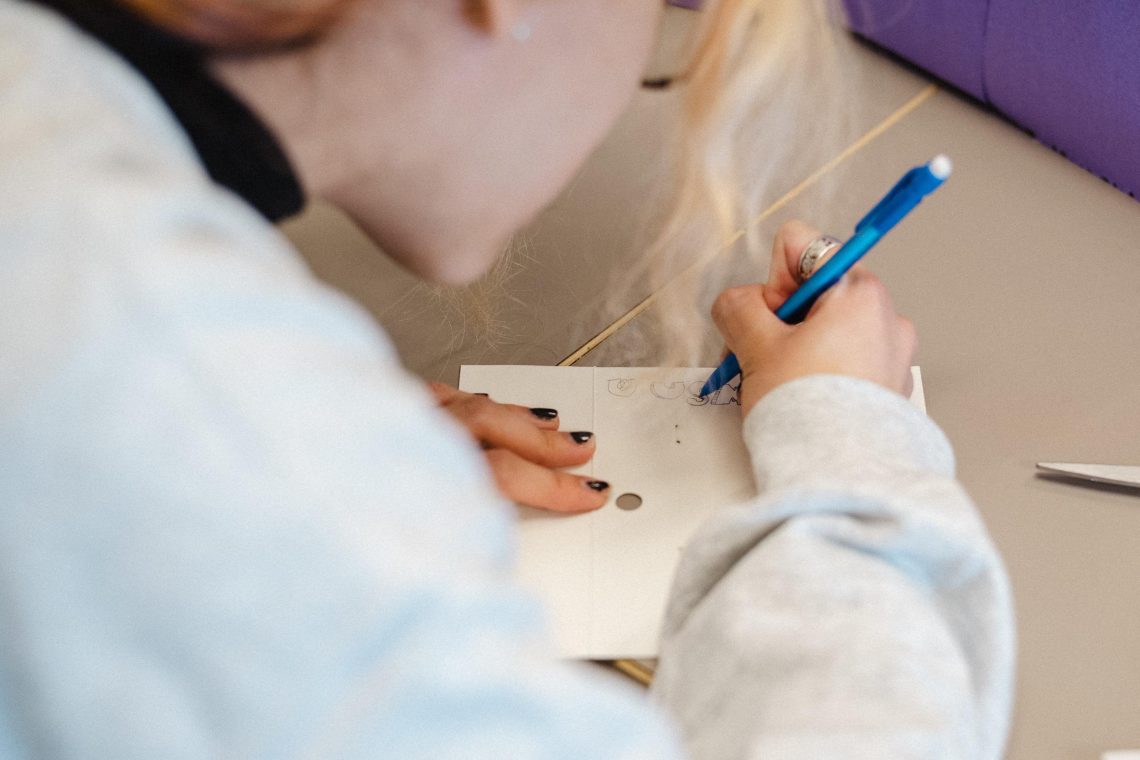
Start by writing your topic at the top of a blank piece of paper — then make a list of everything you know about it. Explain it in your own words as if you’re talking to a child.
After this, review what you wrote and see what you got wrong. Then, look at your notes and reading material to find the correct answers.
I really liked this technique. It helped me identify what areas of a topic I don’t need to study vs. what I’m struggling. This is really great for time management, and it helps you not waste time studying material you already know.
4.
Pomodoro Technique
This is a study hack I’ve seen more than almost any other on this list. It requires breaking up your studying into intervals of work and short breaks.
To test it, I worked with no distractions for 30 minutes, followed by a 5 minute phone scrolling break, then back to another 30-minute work block. I repeated this process until I finished my assignment.
My biggest takeaway is that this technique isn’t for me.
Most of my homework involves reading and writing, and I got frustrated every time I had to stop. Just as I reached a good flow, I had to interrupt myself and use my phone.
That said, this hack might work for other people. If you’re working with flashcards, slideshows, or trying to memorize lots of information, it can help break that up into shorter, structured bursts.

5.
Exercise before studying
This is maybe the silliest hack, but the purpose of exercising before studying is to help increase your energy levels and improve your memory. Exercise also releases endorphins, which can help to relieve stress.
I took a 20-minute walk before sitting down to study, and I was surprised that it actually did help! It didn’t improve my focus, but I did feel less tired without needing caffeine.
I tested this a second time by taking a walk right before I had an exam. I felt slightly more calm and relaxed going into the test, which made it easier for me to organize my thoughts.