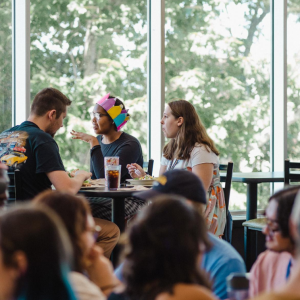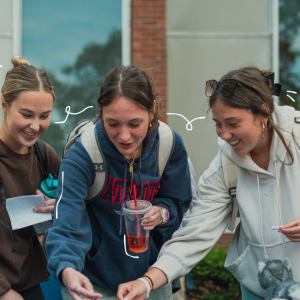

For students who commute to school every day, college community doesn’t always come built in. There are no roommates, no RAs planning weekend events, and no neighbors down the hall to grab dinner with. Connection takes a little more intention — and that’s where the University of Southern Maine’s Commuter Student Association comes in.
Eliana Tardiff, a recent nursing graduate from Windham, has spent the last three years as the CSA’s president, working to spread the word and grow the club’s reach across campus. We caught up with her about what the CSA actually does, how it’s grown since her freshman year, and how commuter students can stay connected to one another — and to USM — through every season of the year.
Q:
What is the Commuter Student Association, and how did you end up leading it?
A:
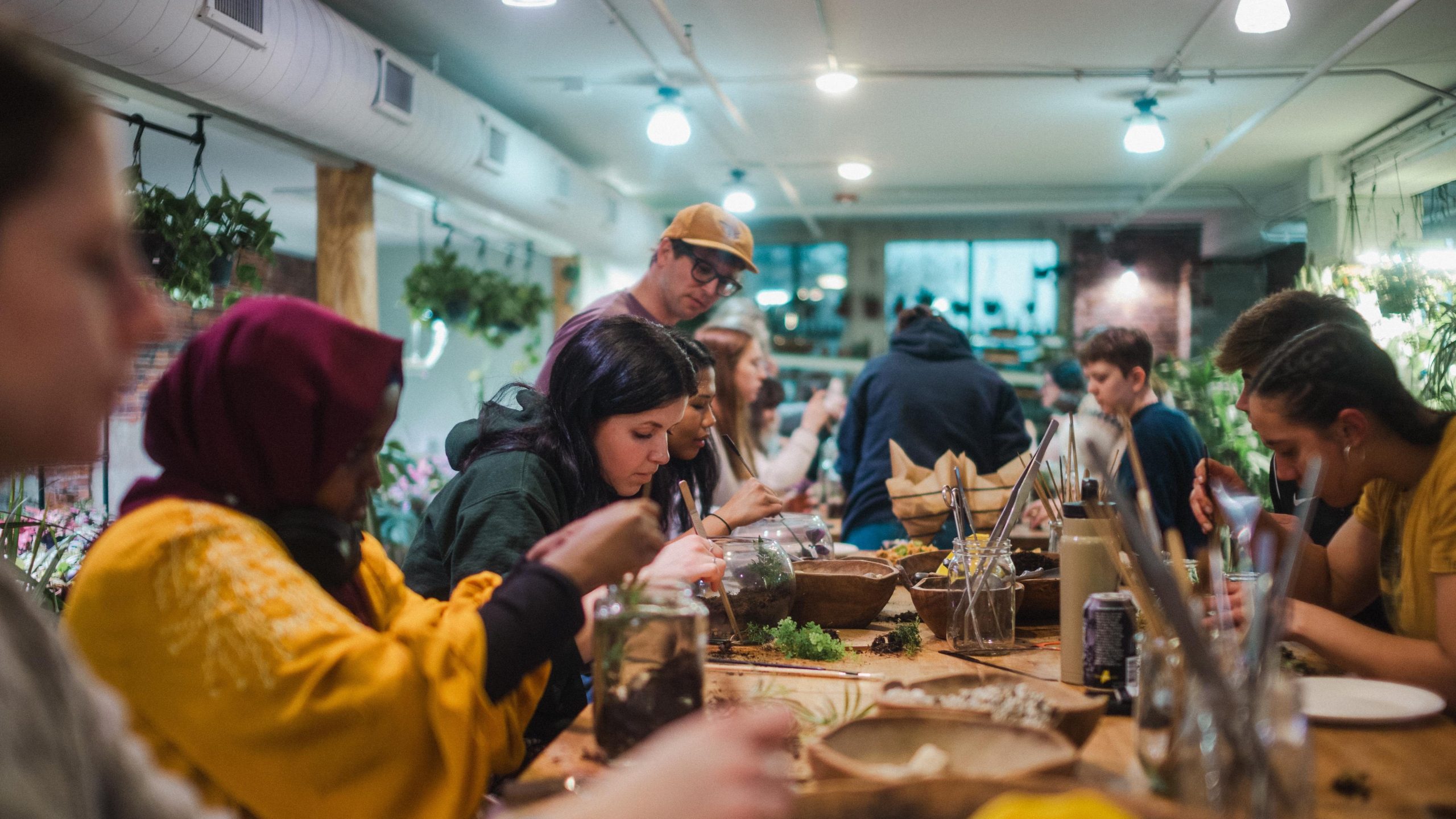
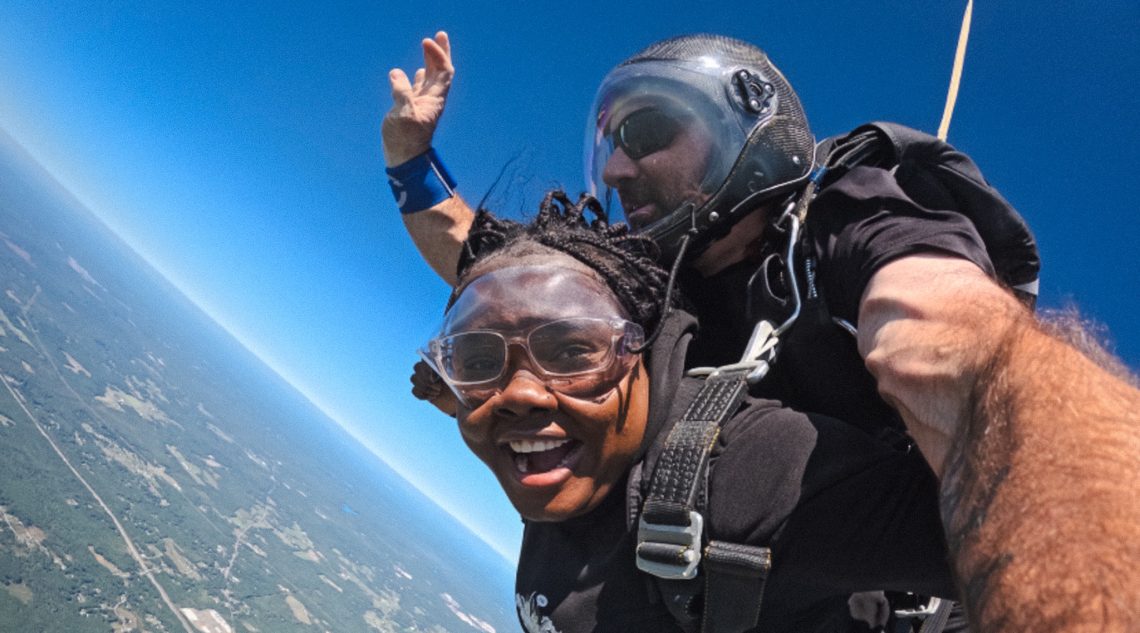
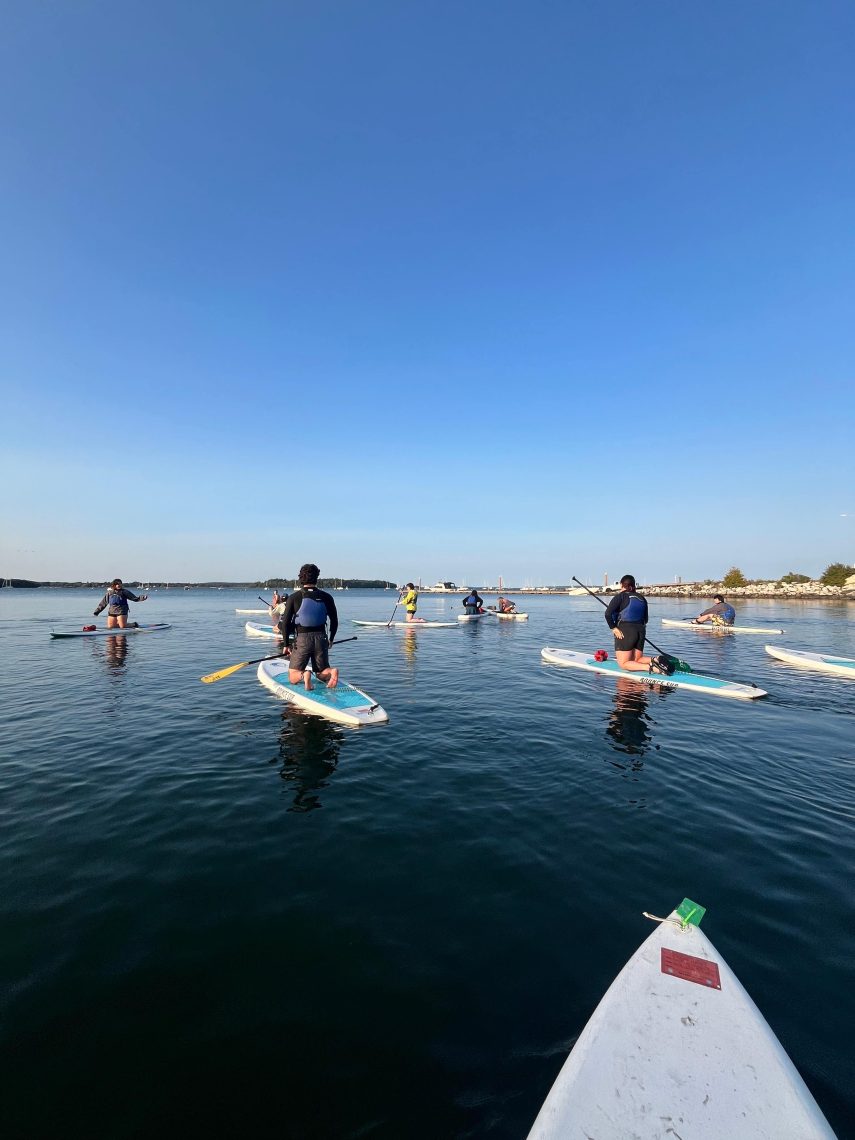
The Commuter Student Association is a club made specifically for commuter students at USM — which is a huge part of our student body. A lot of what we do is centered around making sure people have a place to meet each other and feel connected to campus, because that doesn’t always happen as naturally when you’re not living in the dorms. We host tons of events throughout the year, from hikes up Tumbledown Mountain to Sea Dogs games, Boston trips, and even skydiving, which has become an annual tradition. We really try to prioritize the things students actually want to do, and the funds come from student activity fees, so at the end of the day, it’s about where they want their money to go.
I found the CSA through Instagram. I was following the university account, and they happened to post something about it — and as a commuter student looking for more community at USM, it caught my eye right away. I joined my freshman year, just as the group was going through a transition where most of their leaders were about to graduate. So when I showed up as an interested freshman, things kind of got handed to me — which was unexpected, but honestly, it’s one of the best decisions I’ve ever made. I’d had leadership roles in high school, so when the leader at the time asked if I wanted to take it on, I said yes pretty quickly — I’m someone who tends to say yes to things like that. I didn’t even know it was a paid position until after I agreed, which was a nice bonus.
Q:
You’ve watched the CSA grow since your freshman year. What does it look like now compared to when you started?
A:
When I first joined, a lot of the CSA’s leadership and membership was upperclassmen — there wasn’t a strong underclassman presence to take things over once they graduated. So I came in at a moment where the club kind of had to be rebuilt from the ground up. I ended up sharing the president role with Morgan Moulton, and between the two of us we were able to keep things running — but even that shifted when she graduated shortly after. From there, we slowly built things back up. Now we have a full board heading into next semester, which I’m really proud of. Being able to find people, train them, and leave the CSA in a stronger spot than when I came in feels like the biggest thing.
A lot of the growth has also come from how we get the word out. Tabling, especially this past semester, made a huge difference — there are so many students who have no idea we exist until you put yourself right in front of them. The more visible we’ve been, the more people show up. I’d say there are more students who know who we are now than before I started, and that feels really good to see.

Q:
What role does the CSA play in building community for commuter students — people who might otherwise just go to class and head home?
A:
It gives commuter students a real chance to meet each other, which doesn’t always happen on its own. When you live on campus, connection kind of comes built in — you have RAs planning things, people in your hall, events happening right outside your door. As a commuter, none of that is automatically there for you. You’re going to class and then heading home, and that’s it unless you actively work to make it something else.
I’ve experienced that firsthand. Some of my closest friends came directly out of being involved with the CSA — they’re people I’ve grown really close to, and I even invited many of them to my wedding! That kind of thing wouldn’t have happened without this club.
What’s also great is how flexible we are. We really listen to what students want to do, and when people reach out asking for things like a Red Sox game or a hibachi dinner, we make it happen. It’s that kind of back-and-forth that gets me excited, because it means students are advocating for themselves and shaping what the club looks like.
Q:
The CSA isn’t as active over the summer, but connection doesn’t have to stop there. What does staying connected to USM and each other look like once the semester ends?
A:
Honestly, it takes more intentional effort than people might think. Once classes end, it’s easy to let work take over your summer, especially when you’re trying to make money for the year ahead. But I always encourage people to hold onto the friendships they’ve built and find time — even just once a week — to see someone and do something together. That’s how relationships actually get stronger.
This is one of the places where the CSA really pays off. A lot of the friends I’m planning to spend the summer with are people I met through the club, and having that built-in group makes staying connected feel a lot less like work. We already have plans for Boston trips, camping, movie nights — that kind of thing.
It doesn’t have to be anything huge. Even a movie night at home, where you cook dinner together first or make a little spa night out of it, goes a long way to maintain those friendships. And being in southern Maine in the summer makes it even easier — there’s so much to take advantage of together, whether that’s going to the beach, a long bike ride, or grabbing ice cream — my favorite. Knowing I have a group of people to share that with, in the middle of work and everything else, is what makes the season feel exciting instead of just a long break from school.
Q:
What do you hope the CSA looks like for students heading into next year, and what would you tell an incoming commuter student trying to find their people?
A:
What I’m hoping for is an eagerness — people who are excited to meet others and aren’t afraid to ask for what they want. I always tell students, don’t be scared to ask. I’d rather you reach out and ask than not sign up for something just because you weren’t sure what it entailed. There’s no wrong way to get involved, and the more people who feel comfortable doing that, the stronger the club gets. I also hope the club keeps finding new, creative ways to get more people involved, even something as simple as encouraging regulars to bring a friend can go a long way.
For incoming commuter students, my biggest piece of advice is to start small — and start in the classroom. Don’t be so eager to leave right after class. It’s easy to come in, do your thing, and head out, but the connections happen when you slow down a little. Talk to the person next to you. Stick around for a few minutes. Try a few different events instead of going to the same kind of thing every time — that’s how you end up meeting people from totally different majors and corners of campus. The friendships might not happen as fast as you want them to, but if you keep showing up, they will happen.
Bonus: What song have you had on repeat lately?

MONOPOLY MAN
Melanie Martinez