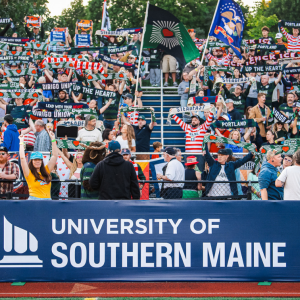

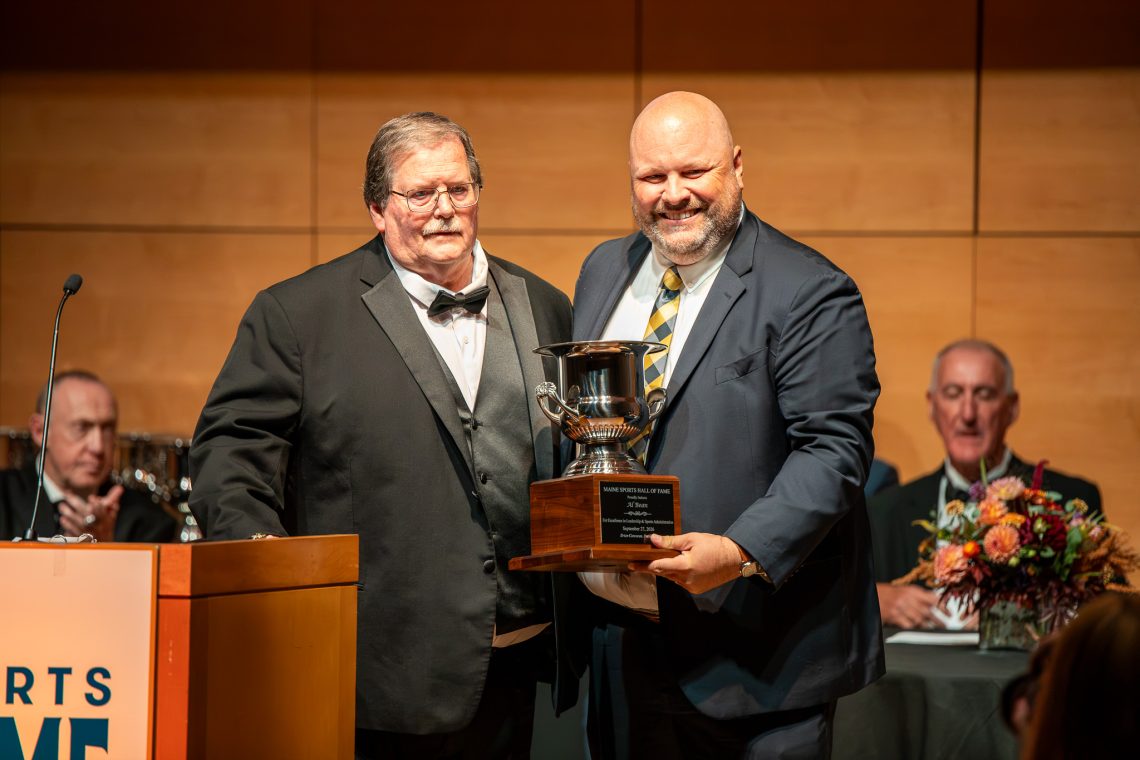
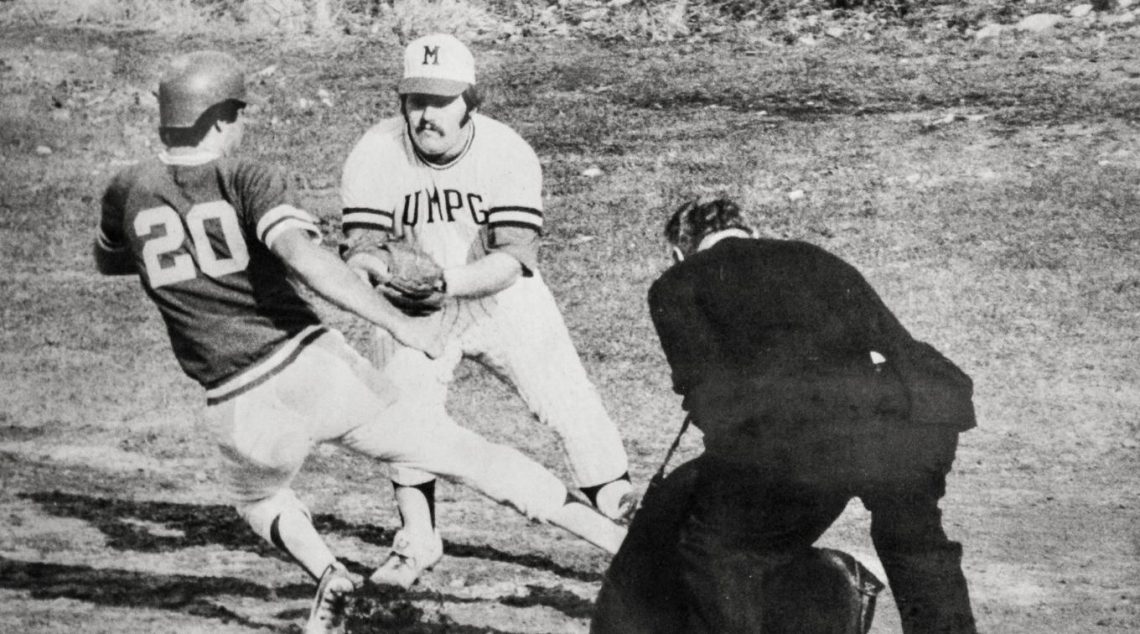
Al Bean is something of a legend at the University of Southern Maine. He arrived at USM as an 18-year-old baseball player. Now, more than 50 years later, he’s newly inducted into the Maine Sports Hall of Fame and getting used to the idea of having a street on campus named after him.
Bean first came to campus in 1973 and spent the decades that followed building something that outlasted his own playing days: a bigger program, better facilities, and a tight-knit athletics community that still thrives today. Under his leadership, the department grew to 23 varsity sports and nearly 500 student-athletes.These days, he serves as commissioner of the Little East Conference.
We caught up with Bean to talk about the honor and what all his years in Husky athletics taught him about people, persistence, and making your time count. Whether you’re a first-year athlete or just finding your footing on campus, pull up a chair. His best lessons reach well beyond the field.
Q:
What does joining the Maine Sports Hall of Fame mean to you?
A:
It’s certainly an incredible recognition. If you get into your state’s sports Hall of Fame, it gives you the impression that people feel like you’ve made a difference or you’ve had an impact.
But you don’t do this stuff without a whole lot of great people behind you. I’ve worked with and learned a lot from great people here. And I am clearly the sum of a lot of parts along the way.
Q:
Is there one piece of advice that still sticks with you?
A:
There’s always another day. I was a pitcher, so if you had a bad day, you got another one coming to try again. You have a chance to redeem yourself and do better.
Q:
What did you learn from the mentors who came before you?
A:
They came from a time where education was clearly paramount and athletics was secondary. But they showed you how to really support people, how to care about people, how to follow up with them.
I learned that people mattered most, really, more than anything.
Q:
How did you put academics at the center of USM athletics?
A:
There were about 190 athletes when I started out, and the overall GPA of all of them was a 2.4 something. So we started this scholar-athlete program. The first year we did it, 23 kids were over a 3.0. And I think I just saw the notice the other day that we have 351 this year that are over a 3.0. We built that department GPA from a 2.4 to about a 3.23.
That was part of the reason for the Costello complex the way it is. We have that learning center built right in the middle. People said to me, that’s not the greatest place to study, but they have to be there. There are so many of us around, and they get to know us, and we get to know them.
After a while, when they don’t have to come, they come anyway, because they like being there and they like being around people. It’s a connector. It’s part of building community more than studying.
Q:
What does being a Husky mean to you?
A:
It means a great deal. My two older brothers came through here before me, and I’ve got a couple of degrees from USM myself.
I’m really proud of the athletic program, and of what this athletic department has done on limited resources. We were able to find a way to do things and continue to grow.
Q:
What advice would you give a student-athlete just starting out at USM?
A:
The first six weeks that you are here are critical. Those habits that you make when you start, the people that you associate with, will either help you to be lifted up or pushed down, and you need to figure out who those people are that you want to bring along on your ride. And if they’re not working for you, you need to be willing to change.
Take advantage of every opportunity that you have. This goes by fast. Once you’re done with that rec league or whatever you play in, it isn’t going to mean what it means to be on a college team and have other people relying on you.
Also, find mentors along the way, people that you can go to if you have questions or if you need help.
Q:
How does being part of a team prepare students for what comes next?
A:
Participation in athletics is one of the greatest learning environments there is. You learn so much from being part of a team. You learn so much from losing, from winning, how to treat other people, how to deal with difference, how to come back from injury. There’s so much there.
Additionally, if you talk to a lot of employers, they say, I always look for athletes, because I know they’re not going home until it’s done, or they’re going to keep working at it to get it right.
If you find the good ones, they’re going to be invaluable to you as leaders on your team, no matter what that team is.
Q:
What do you hope student-athletes remember long after the final game?
A:
I hope they look back on these four years as some of the best times in their life, where they met people and built friendships that will last a lifetime, and where they learned lessons they can transfer into their professional work, their families and how they treat others.
We’ve always said we want to prepare them for a lifetime of success. That’s what we’re in business for.