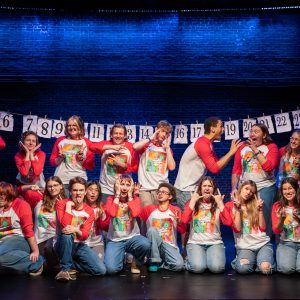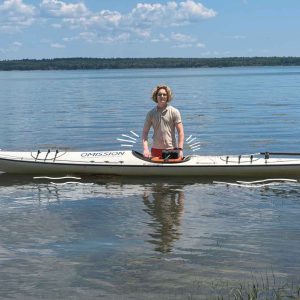

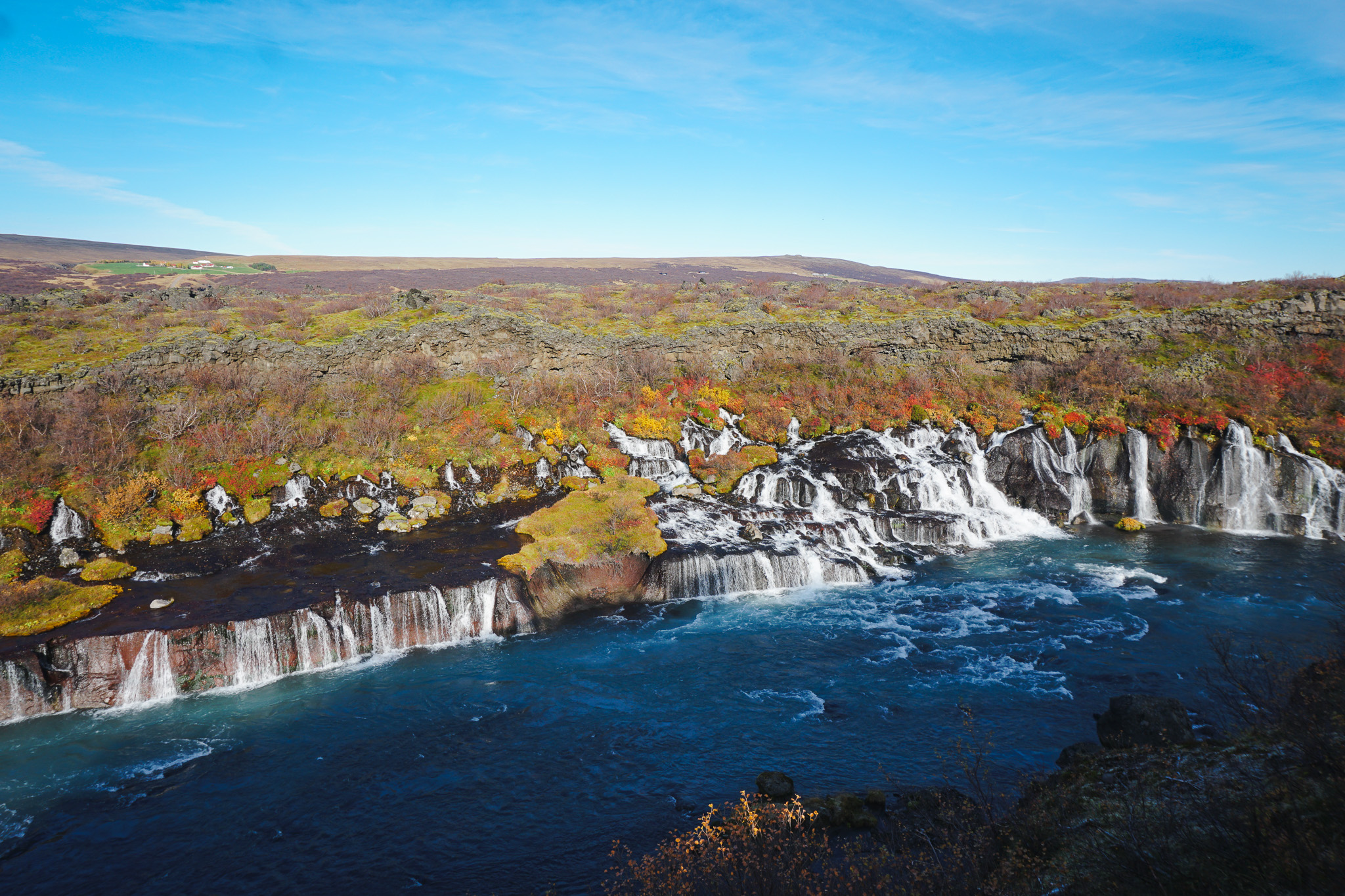
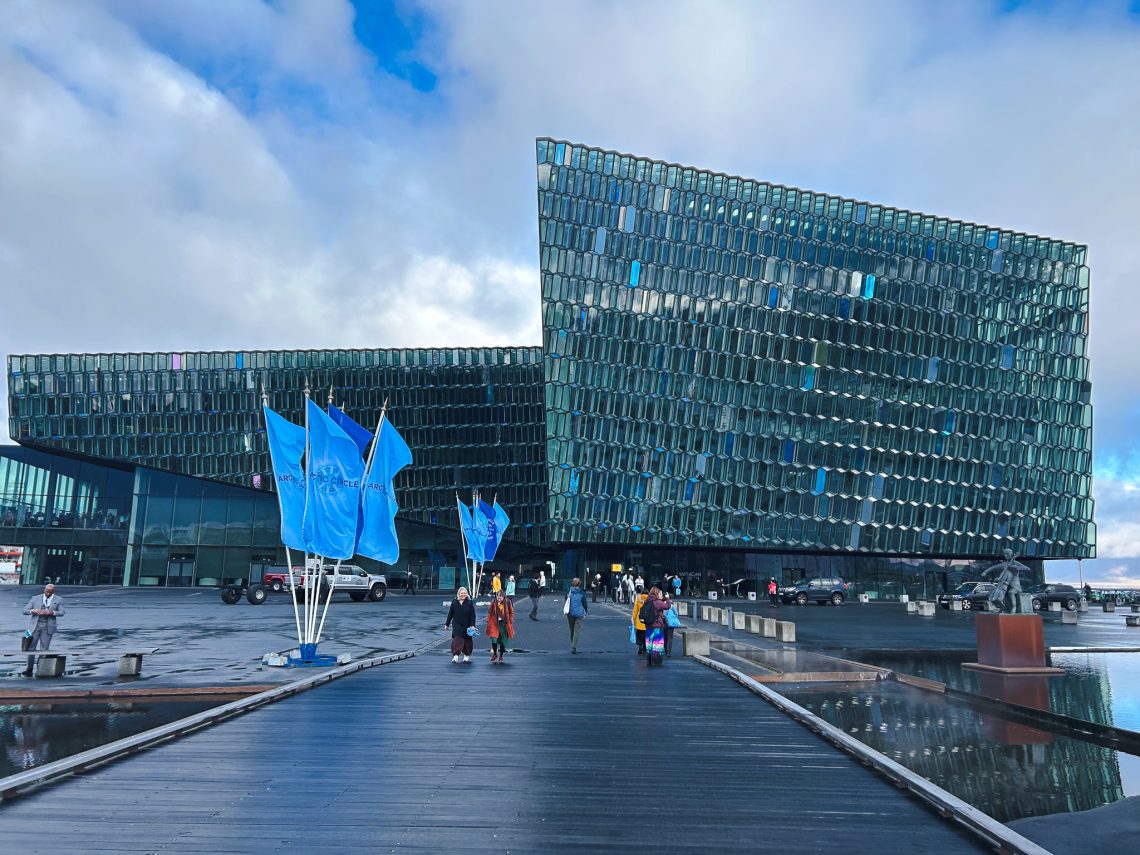
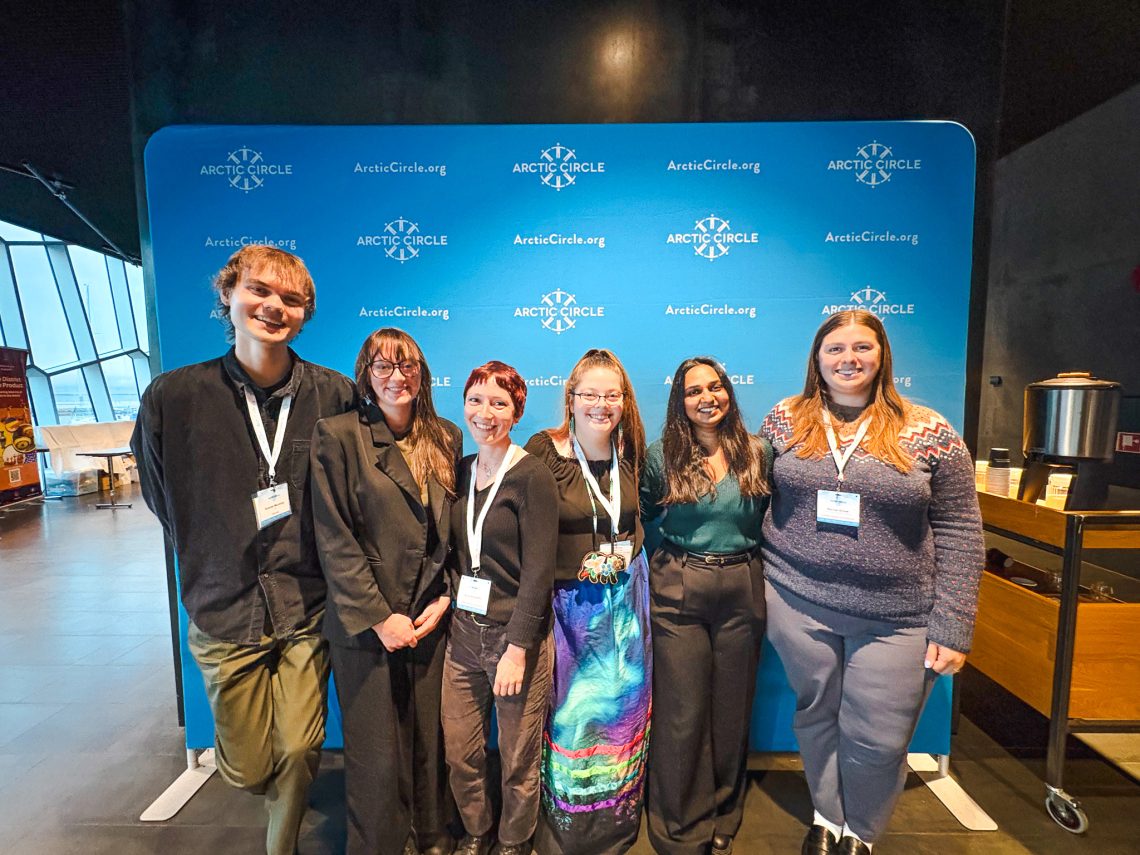
For nine months, Rachel Straw met monthly with a group of graduate students from five universities across Canada, Iceland, Norway, Scotland, and the United States. This October, that work took her, and her cohort, to Reykjavik, Iceland, where they presented their research at the Arctic Circle Assembly, the world’s largest international gathering on Arctic issues.
Rachel grew up in Pennsylvania but now calls Hancock, Maine, home. She works in a local school district, where she helps her students build real-world skills and connections. At the University of Southern Maine, she’s pursuing her master’s in education in teaching English to speakers of other languages (TESOL) and expects to graduate in spring 2028.
We caught up with Rachel about her research, her time in Iceland, and what she’d tell anyone thinking about joining the cohort.
Q:
What does your research focus on, and what drew you to it?
A:
My research looks at the benefits of outdoor school, which takes learning outside the classroom and into the natural world. I also looked at how it can connect to other culturally responsive teaching methods, such as incorporating Indigenous knowledge into lessons. From there, I explored how it all fits into the blue economy and the triple bottom line.
The students I work with in Downeast Maine are deeply connected to the fishing industry, so this research felt like a natural fit for the blue economy. It gave me a chance to show them how their education can tie into the work happening around them, now and in the future. My main goal was to help people understand what outdoor school is, share some example lessons, and talk through both its advantages and its challenges.
I’m also excited to bring everything I learned back to my students, many of whom have never left Maine. I hope it inspires them to explore all the different paths the blue economy has to offer.
Q:
What was it like working with students from other countries?
A:
It was really refreshing. Many of their schools have already adopted outdoor classrooms, so it was exciting to see what that looks like in practice. More than anything, working with them showed me that even though we live in different parts of the world, we share a lot of the same beliefs. I could see Maine in their communities and in the stories they told.
Q:
What did you think of presenting at the Arctic Circle Assembly?
A:
The ACA was a lot to take in! There are people from so many walks of life, including political leaders, Indigenous leaders, students, researchers, and technology partners, all buzzing around one huge space. Sessions run from early morning until late at night, and it’s a sight to see.
Presenting was really exciting. I’d spent nine months on my research paper and had to boil it all down into a six-minute presentation. I was a little nervous, but our group had practiced so many times that I felt ready. When I looked out and saw other young people in the audience, I could tell they were genuinely interested in what we had to say. Afterward, people asked a lot of questions — it was amazing to see so many students who care about the Arctic and want to work together across borders.
Q:
What is Student Connect, and what was it like planning and leading it?
A:
Student Connect is a networking workshop our cohort designed and led for students attending the assembly. To plan it, we met in Aberdeen, Scotland, back in June. That trip gave us a chance to get to know each other outside of research and planning, and because we’d built those friendships, we were able to create something really meaningful together.
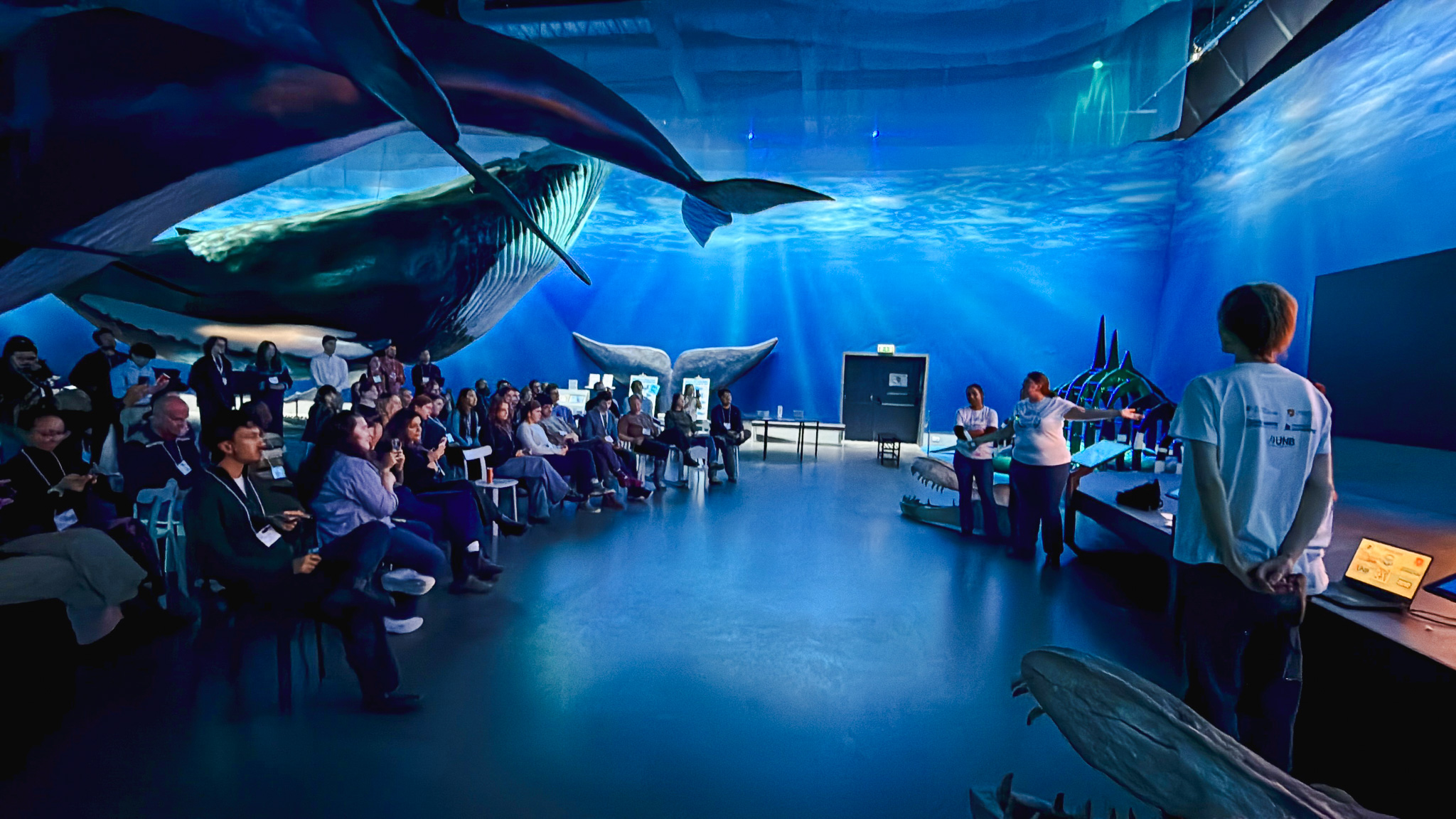
The workshop centered on a case study we created about an imagined Arctic community, where participants debated whether to let a mining company establish operations there. We wanted them to think beyond the environmental side and consider the political, economic, and social factors, too.
The event took place at the Whales of Iceland museum, and there was so much excitement around it. More than 100 people signed up, and more than half joined us that night. It was so much fun! I got to meet so many other students, and even in such a big crowd, the space felt really welcoming.
Q:
Was there a moment from the trip that will stick with you?
A:
After nine months of working together across time zones, our cohort finally got to celebrate in person at The Book Bar downtown. There was a live band playing covers in the middle of the bookstore, songs like “Mr. Brightside,” “Bohemian Rhapsody,” and “Wonderwall,” and everyone was singing along. We came from different countries and backgrounds, but in that moment, none of that mattered. I wish I could bottle up that feeling and open it whenever I need a reminder of how similar we really are and how much of the human experience we all share.
Q:
What are you taking away from the experience?
A:
That your voice and perspective are powerful, so use them! Being in higher education gives us a front-row view of what’s happening in the world and how we can make a difference. Most days, I feel like just one small piece of the puzzle, but this experience reminded me that I’m an important piece, and that I should make the most of the platform I have.
Q:
What would you tell a USM student thinking about joining the cohort?
A:
Do it! If you’re interested in the Arctic, the blue economy, international collaboration, or research, this is a dream come true. And if you’re feeling unsure, know that you’ll have so much support along the way. Tracey Meagher is the perfect person to reach out to. She was our liaison between students and staff, planned and organized everything, and made sure all our travel arrangements were set. She was our superwoman! Patrick Arnold, Ross Hickey, and Firooza Pavri were also there for us, reviewing our papers, answering questions, and helping with anything we needed day-of.
This is the cohort’s sixth year, and the goal has always been to get students involved and give them a seat at the table. My advice to the next cohort is to take that seat, and to come prepared with concrete ways people in power can put your ideas into action. The time to act is now, and we all have to work together to make it happen.