
This fall, the University of Southern Maine is setting aside one hour, four days a week, just for the campus community to connect. It’s called Community Hour, and it’s about to become a new part of your everyday. Here’s what it is, and everything else you need to know before it starts.

What is Community Hour?
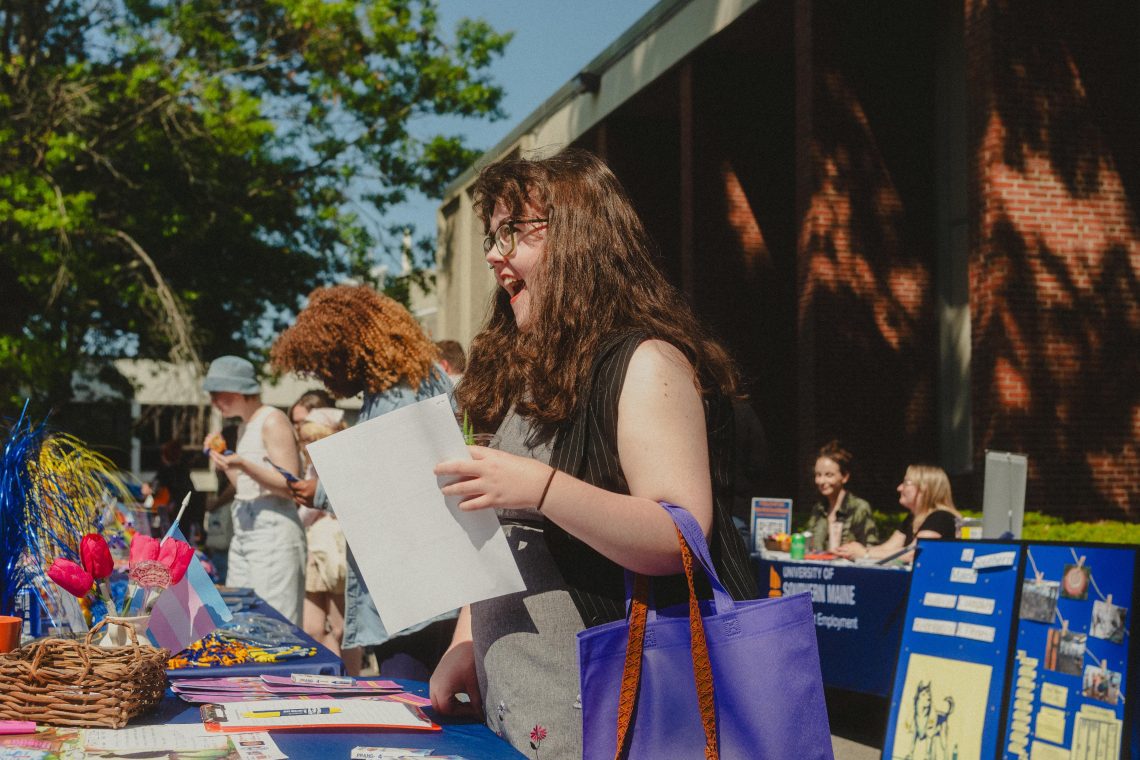
Picture an hour, four days a week, where nothing is scheduled or mandatory — no classes, no committee meetings, no obligations pulling you in different directions. That’s Community Hour: a block of time set aside by USM specifically for the campus community to gather, connect, and get involved in something beyond coursework.
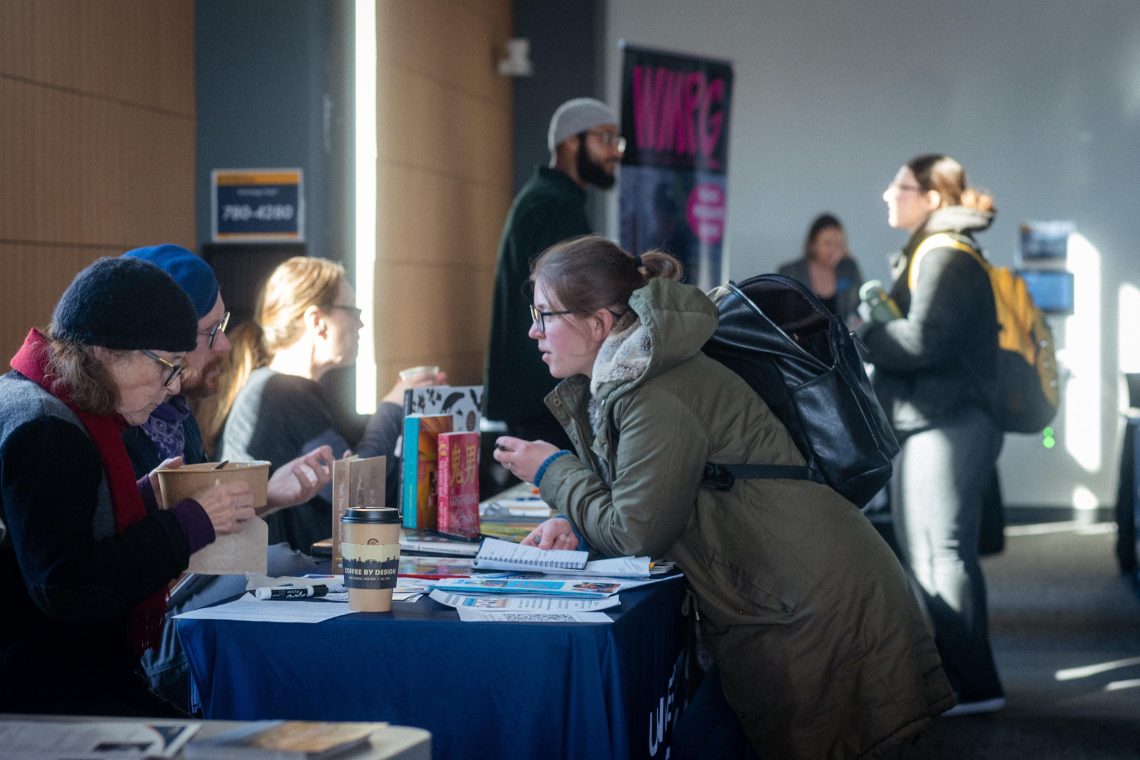
It runs Monday through Thursday, 12:30–1:30 p.m., starting this fall. During that window, the university opens up space for clubs to meet, departments to host open houses, faculty to hold office hours, and just about anything else that might bring people together. The idea isn’t to fill your calendar for you. It’s to make sure there’s finally a time when everyone’s actually free to show up.
Why start this?
USM spans multiple campuses and serves a large population of students who commute to classes every day, which means the community here comes together a little differently than it might on a single, residential campus. Many students have felt this directly — it can be hard to pin down a time for a club meeting, or catch a professor before they’ve headed out for the day, when everyone’s schedule looks different.
Community Hour is USM’s answer to that. By setting aside the same hour, four days a week, for the whole campus, there’s finally a predictable window when people are around. Not only for club meetings, but for department open houses, faculty office hours, or lunch with someone you don’t normally see.
Do I have to participate?
No. Community Hour is not mandatory — it’s an invitation, not an assignment. If nothing on the schedule interests you that day, it’s completely fine to catch up on homework, grab lunch with a friend, or just take the hour for yourself.
How do I find out what’s happening?
Check Campus Groups: USM’s platform for student engagement. It’s where clubs, departments and offices post all their events. You can use it in a browser, or download the Campus Groups app to your phone and log in with your USM single sign-on. Once you’re in, search or filter by the Community Hour tag to see what’s coming up during that free block each week. You can also filter by campus, or by “online,” so you’re only seeing what’s actually relevant to where you’ll be that day.
Do I need to sign up for events?
Depends on the event. Most Community Hour programming is open and casual, but some events have limited space. Hitting “register” on Campus Groups guarantees your spot and can even send you reminders beforehand.
What if I want to host something myself?
Go for it! Community Hour isn’t limited to clubs and departments already running programming — it’s open to all students, faculty, and staff alike. Post your event to Campus Groups and schedule it Monday through Thursday between 12:30 and 1:30 p.m. Just make sure to tag it Community Hour, so it shows up when people search for what’s happening during that time. If you don’t have a group page yet, you can register one through Campus Groups, or reach out to usmstudentengagement@maine.edu if you’re not sure where to start.
What’s in it for commuter and online students?
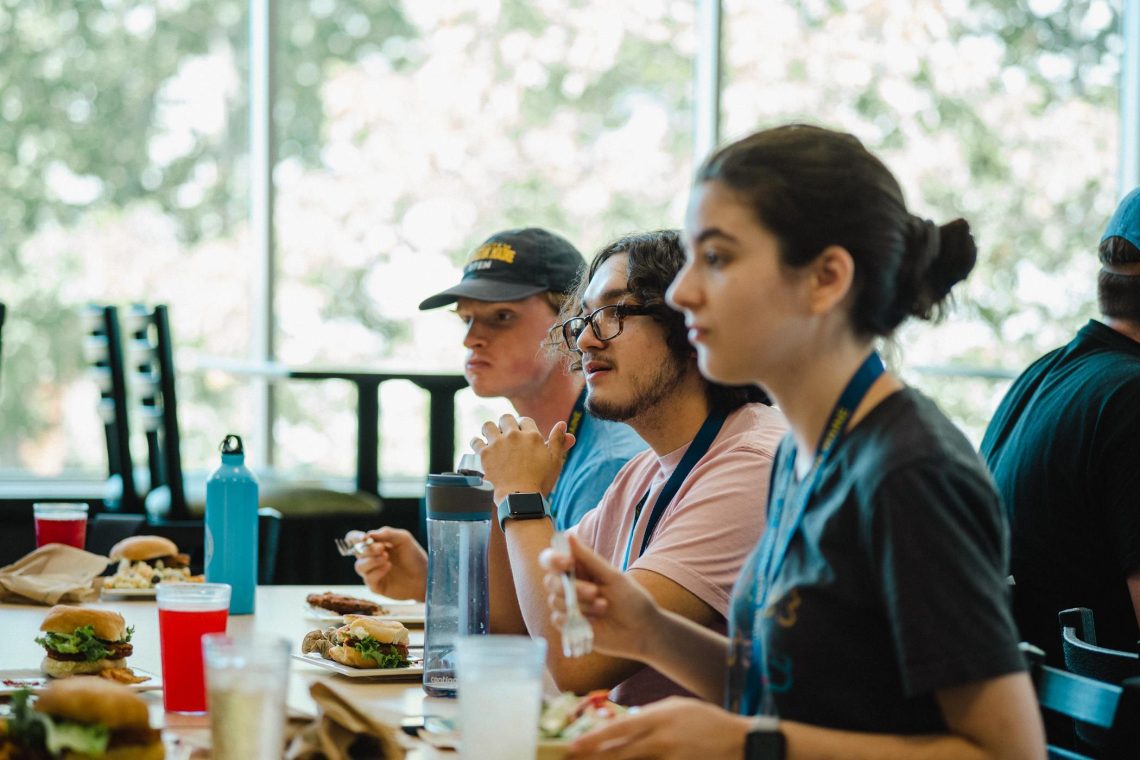
For commuter students, Community Hour is a built-in reason to stick around campus a little longer, or come in a little earlier, instead of rushing straight home. It’s also an easier and more convenient way to connect with people outside the classroom, so campus doesn’t just feel like a place you drive to and from. For online students, be sure to look for events tagged as hybrid or livestreamed — USM has been prioritizing virtual options specifically so students who aren’t on campus can still feel like part of the community.
Any advice for a first-year student?
Take advantage of it. It’s only an hour, and a lot of the programming is casual and drop-in, so there’s no pressure to commit to anything. It’s also a low-key way to get familiar with offices and resources that might otherwise feel intimidating to walk into on your own.