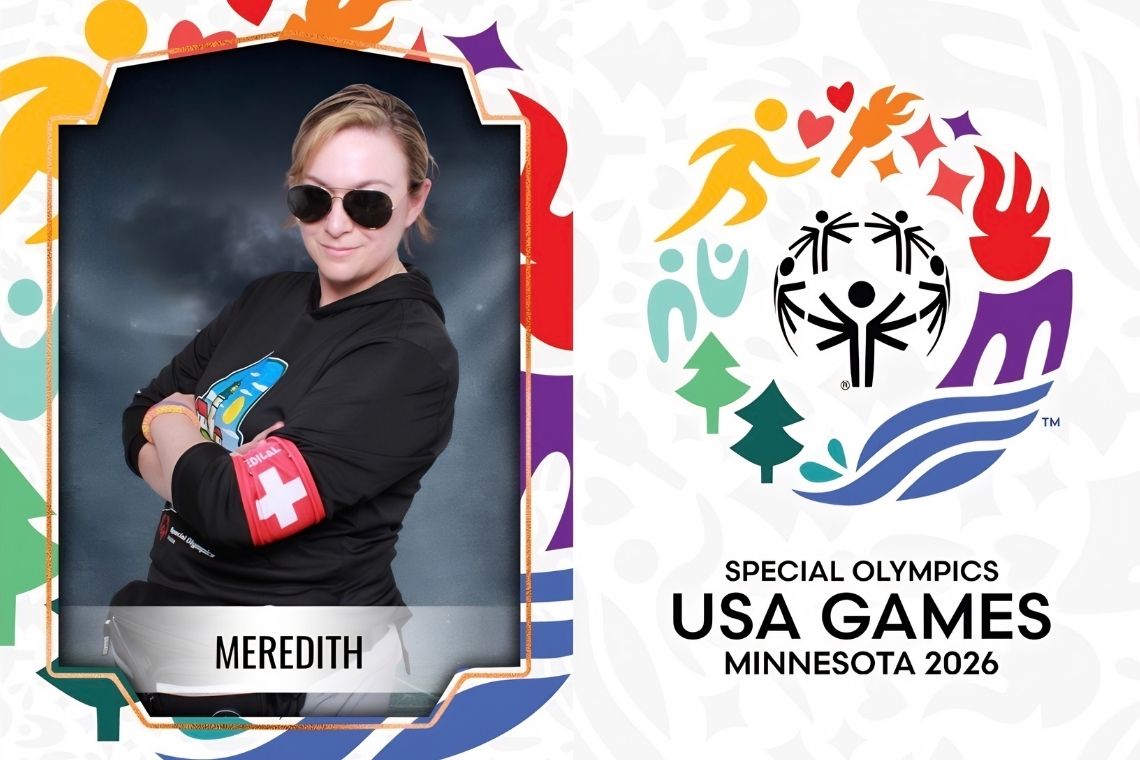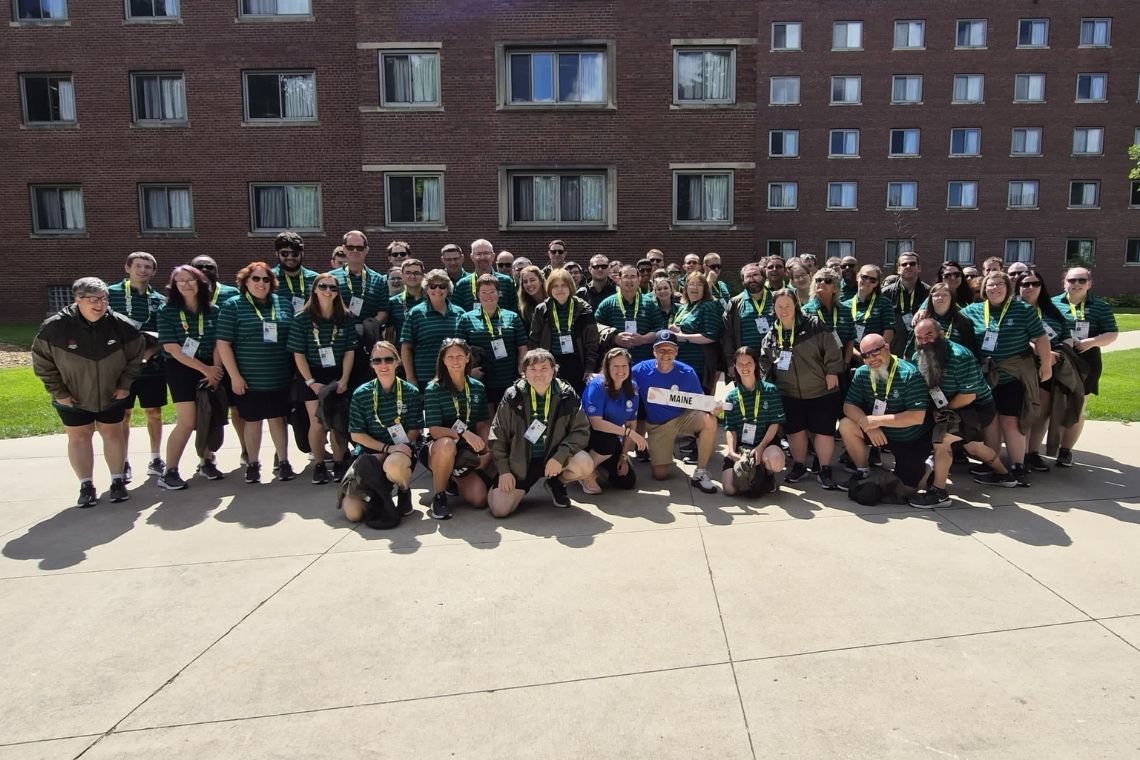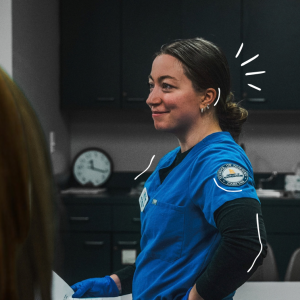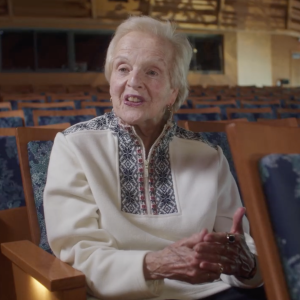
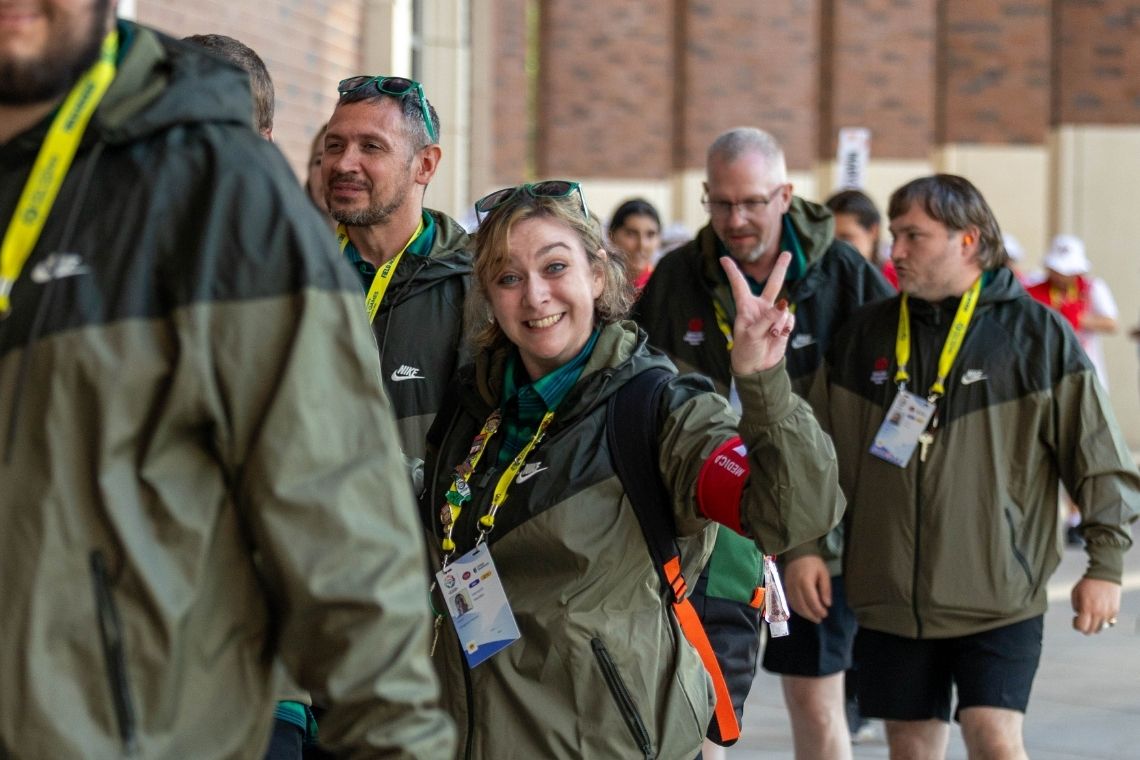
This summer, Meredith Madden became Team Maine’s first ever medical delegate for the Special Olympics USA Games, a national competition held every four years that brings athletes from all 50 states together for Olympic-style competition. Her job for the week: keep an entire delegation of athletes healthy and ready to compete — from the pool deck to the golf course to the sidelines.
Madden wears more than a few hats at USM. She teaches in the athletic training program and recently became chair of the Department of Exercise, Health and Sport Sciences. She also sits on the Special Olympics Maine Board of Directors and serves as clinical director for the organization’s Health Promotion Healthy Athletes program. This summer, she added a new title to the list, and it came with a front row seat to opening ceremonies with a few surprises along the way.
Madden reflected on pin trading, milkshake diplomacy, and the lessons she hopes to bring back to her students at USM.
Q:
How did you end up going to the USA Games as Maine’s medical delegate?
A:
I always sort of liken the USA Games to our own Olympics. Every state is like its own country, and it happens every four years. This year it was in Minnesota. This was the first year they required states to bring a medical person with them — a head of medical for the delegation. I learned about it in a board meeting and applied. Health care for this population is really pretty limited, especially on the sideline, so it was a chance to contribute my background in a new way.
Q:
How did you prepare for this role?
A:
Last summer we went to Coaches College, which Special Olympics Maine runs up at Thomas College. They brought all of Team Maine, all the delegates, and we spent the weekend getting to know each other and practicing. Then for the whole year everybody prepares. I had to go to meetings once a month with people from across the country to learn about the medical protocols and the logistics of how our roles would all play out.
Q:
What did a normal day on-site look like?
A:
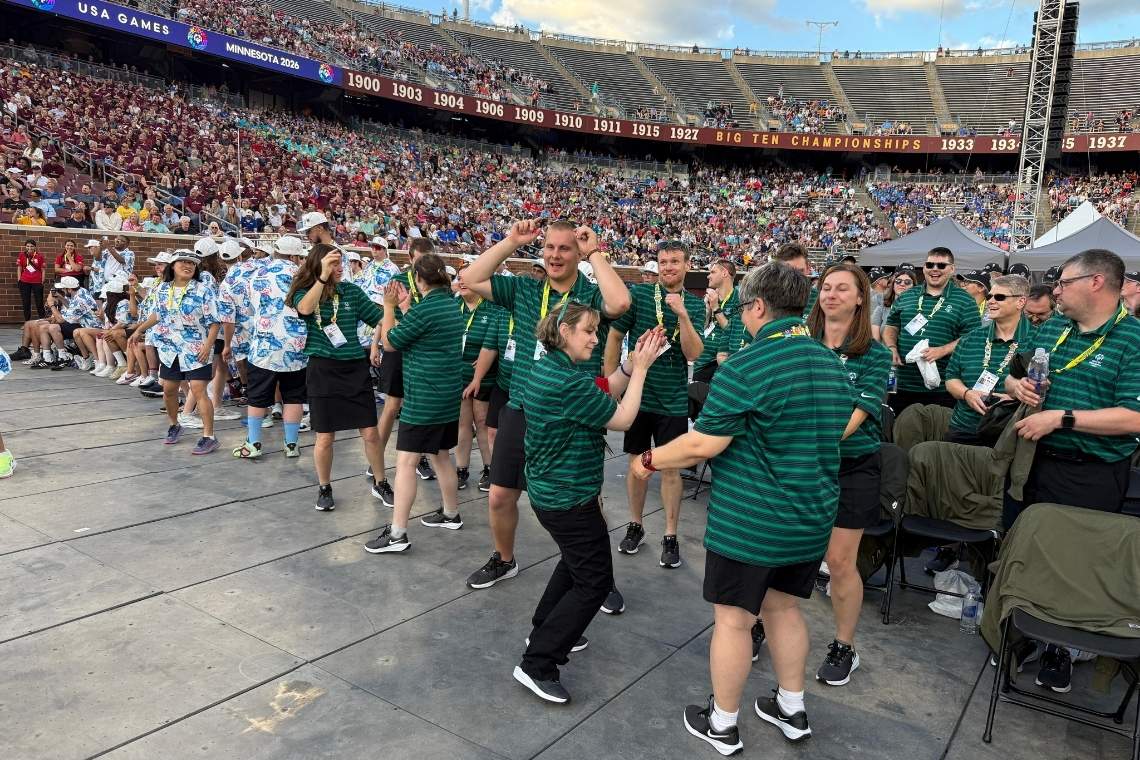
We had eight teams, and one of my goals was to spend a day or an event with each one and see every athlete participate. I went to everything. I even walked the golf course a couple of days, and I got down on the pool deck for swimming so I could be a fan and a cheerleader, not just medical support. I was probably up at 5:30 and in bed by 11 by the time the day ended, so they were long days, but really fun.
There was a ton of medical support on-site, sideline volunteers, medical and nursing students, EMS students, and licensed clinicians at the med tents, which meant I could also just be with my team, cheering them on. I even ran into the medical delegate from Hawaii a few times, and we traded ideas the whole week. I made these little sideline cards for our athletes with emergency contacts, medications, and health history on them, since some of our athletes are nonverbal or hard to understand if you don’t know them, and other delegations started asking about them too.
Q:
What lessons will you bring back to your USM students in the classroom?
A:
An athlete is an athlete. They’re motivated by the same things, they want to compete, they want to win, they want to be on the team. I don’t think that’s always recognized with our Special Olympics athletes, and they are incredibly talented. There’s no feeling sorry for anyone. They earned their spots.
Making sure people are independent and that we’re not taking over is absolutely necessary. A majority of our athletes are their own guardians, they take care of themselves, they have agency. They can care for themselves, but not if we don’t tell them how, and I think that’s always a big piece of how we educate.
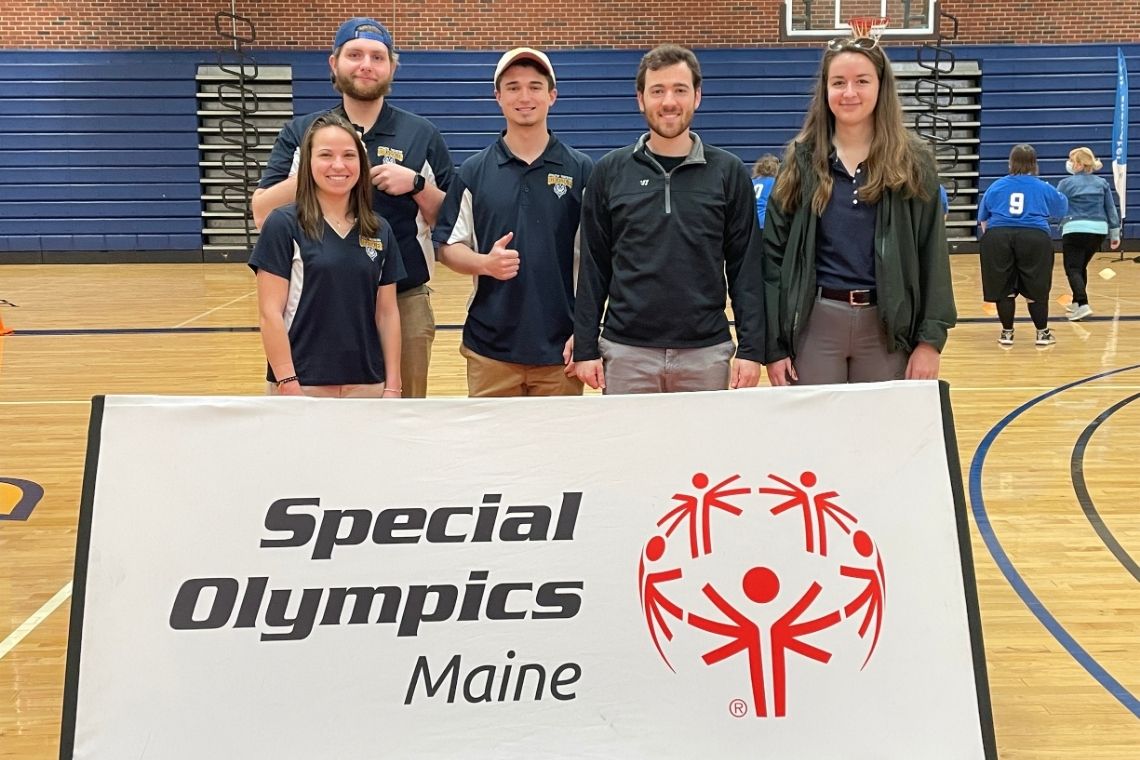
One of my goals in the future is to bring a student, or even just share how I prepared for it. This is an opportunity no matter what state you’re in. Special Olympics is in every state, and it’s international, they have the World Games too. Anytime I’m doing something, an open call goes out to students. They’re not forced to do it, but we usually get a few who volunteer, and some end up staying the whole day even if they only signed up for a couple of hours. I’d say we probably have most of our students participate in at least one Special Olympics event during their time in our program.
Q:
How did you end up connecting with people outside your own team?
A:
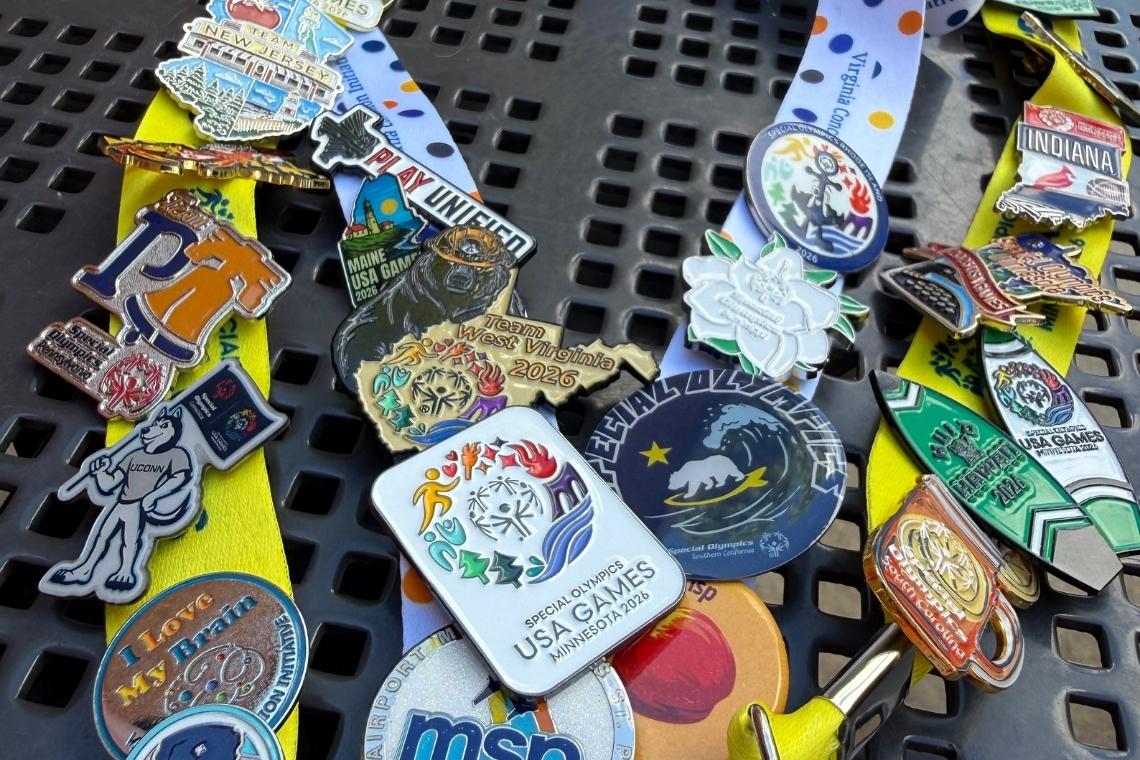
By the first day, within like 24 hours, I had traded pins with people from 30 different states, plus different sports, until my lanyard was so full I could barely wear it. That meant I met at least 30 new people, whether they were athletes or medical staff. I loved it because you had a reason to go talk to someone new and learn about them.
They had fan fests with all sorts of things to do, and you could get a trading card too. I was like, I’m going to make this my new profile picture. You actually got a trading card and signed it. It was fantastic. Those little moments off the field, not doing medical, were really special.
Q:
What’s a moment from the week you keep coming back to?
A:
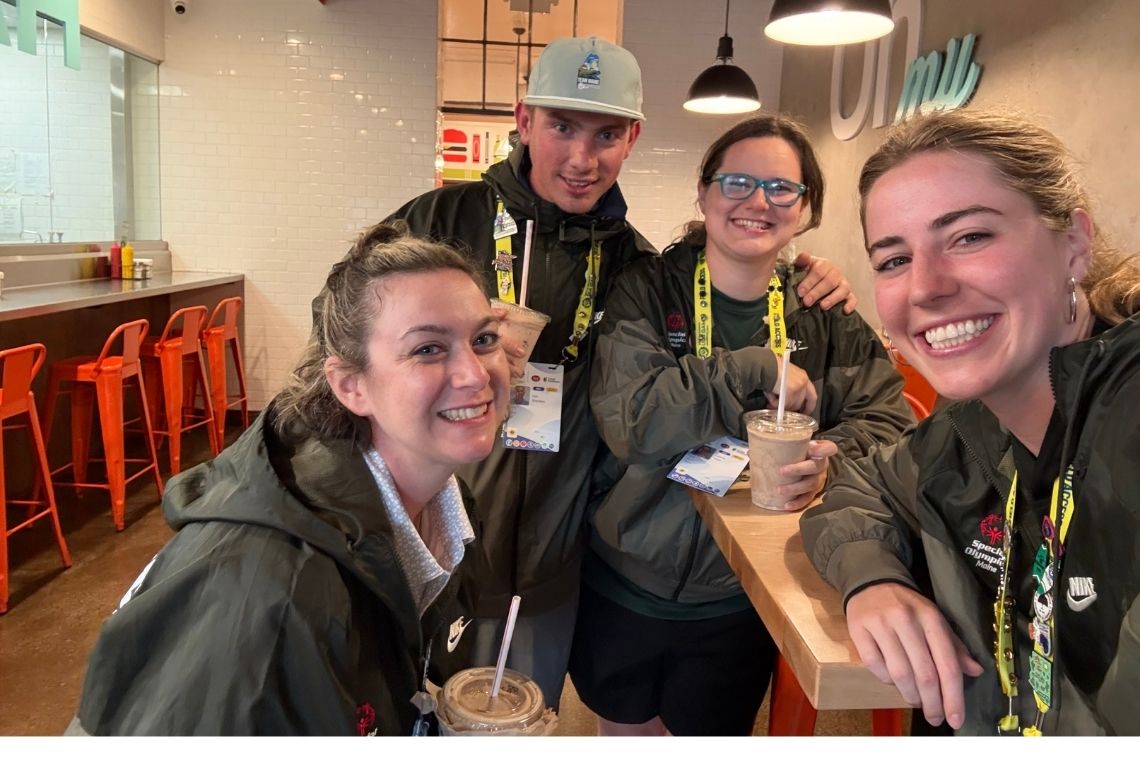
I think my favorite moment was after dinner one day. You usually eat in the dining hall with your own team, but this one night we just kind of all congregated, grabbed some athletes from every team, and went and got milkshakes together. Some of them were laughing so hard they were snorting. It was relaxed, you learned about them as humans, and we were all on equal footing, just having conversations with each other. I also had someone who was really interested in first aid, so when I was helping people she asked if she could learn what I was doing. I made her my assistant for the week.
Q:
What surprised you about the scale of the whole event?
A:
It’s a big deal, and I don’t think people realize it. We were on ESPN. Demi Lovato performed at opening ceremony, and at closing ceremony. Tim Shriver spoke and Tim Walz gave a speech. But honestly, being able to spend time with the athletes on downtime, when they weren’t competing, was the best part of it.
Q:
What advice would you share with your students?
A:
Just volunteer. If you want to have a fun day, go volunteer and be open to the experience, meeting the athletes, meeting the coaches, meeting the community, because we’re all Mainers. I think it’s an opportunity to become a stronger, more connected state.